

Last updated October 30, 2026
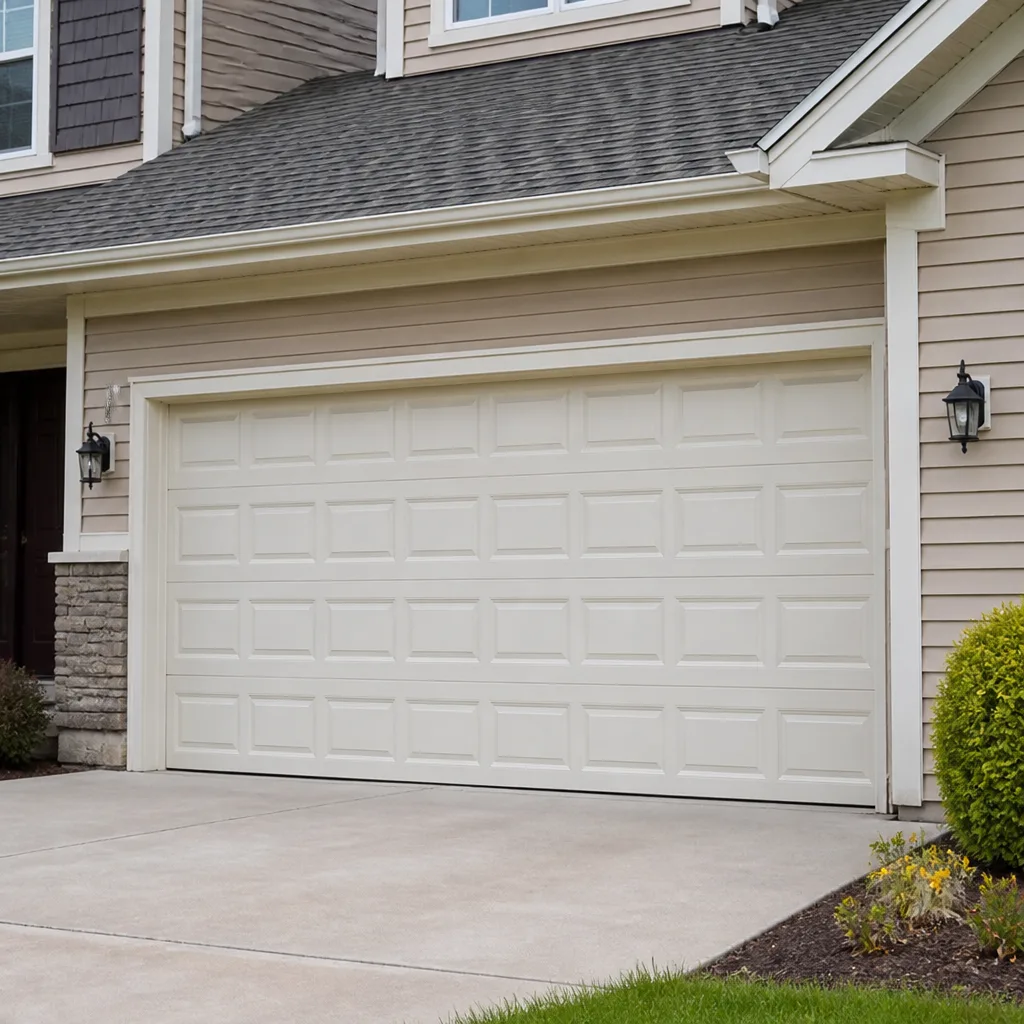 Raised-panel steel
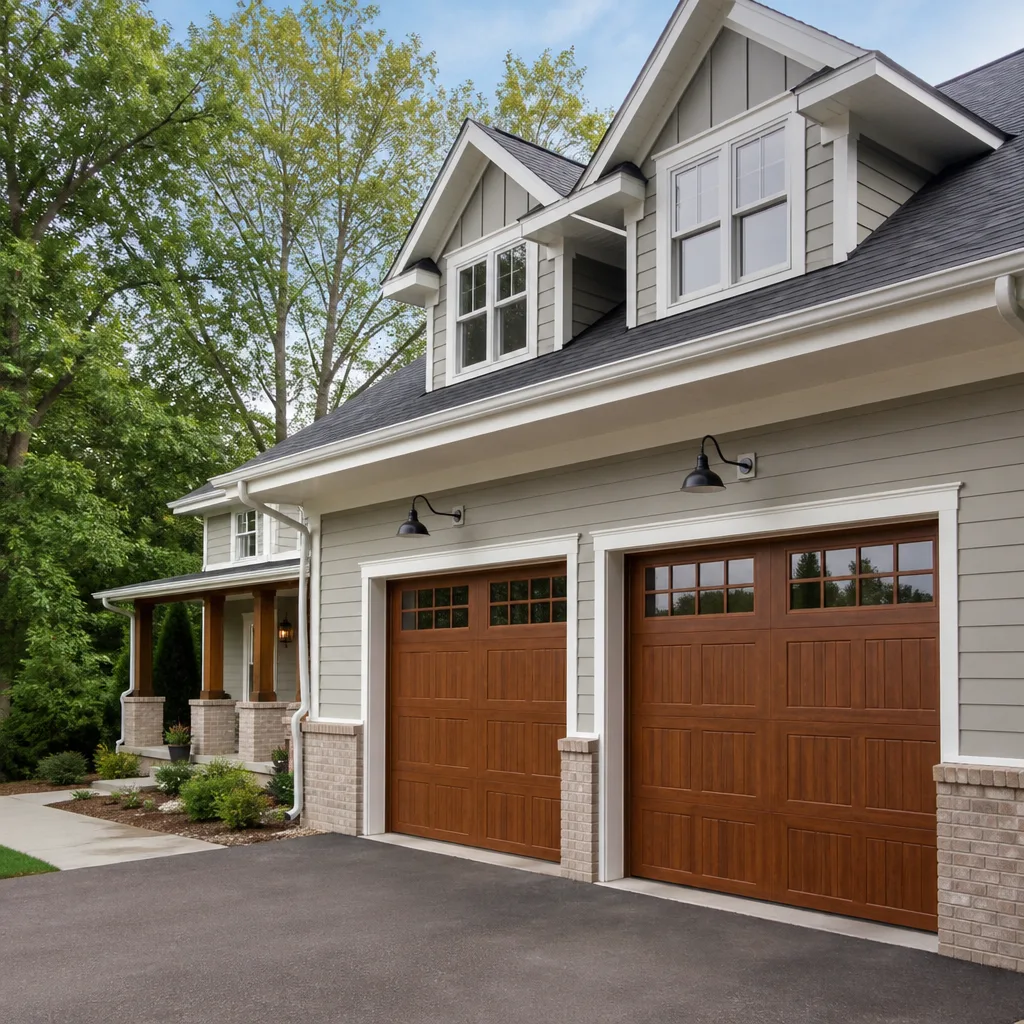
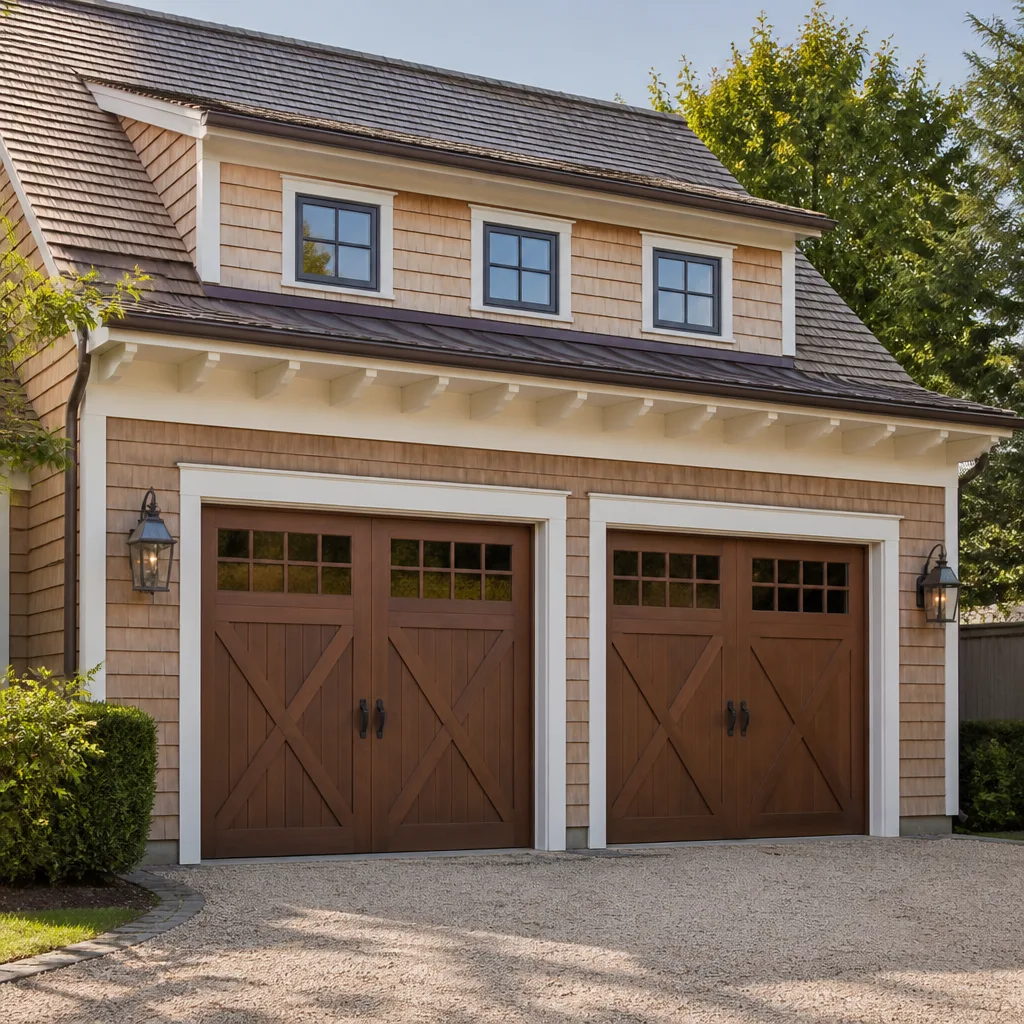 Carriage house
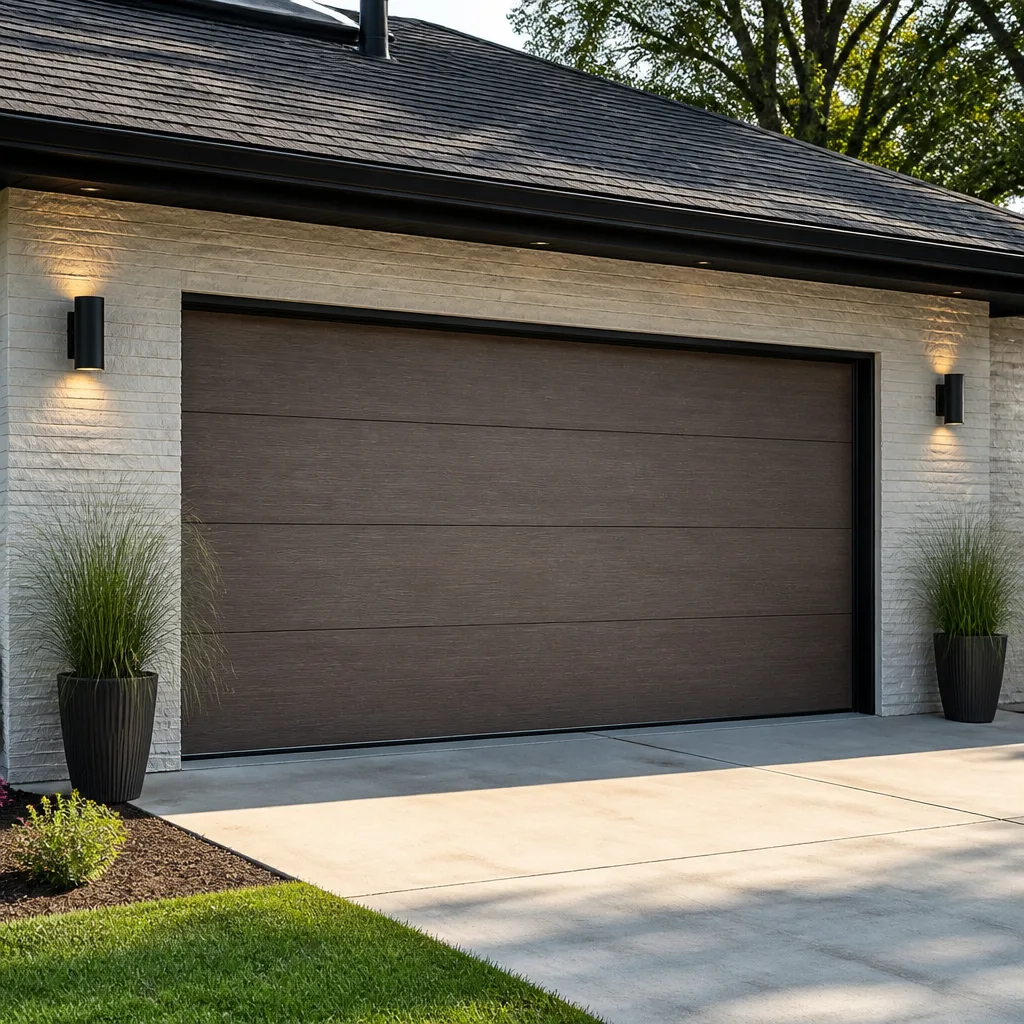 Modern flush
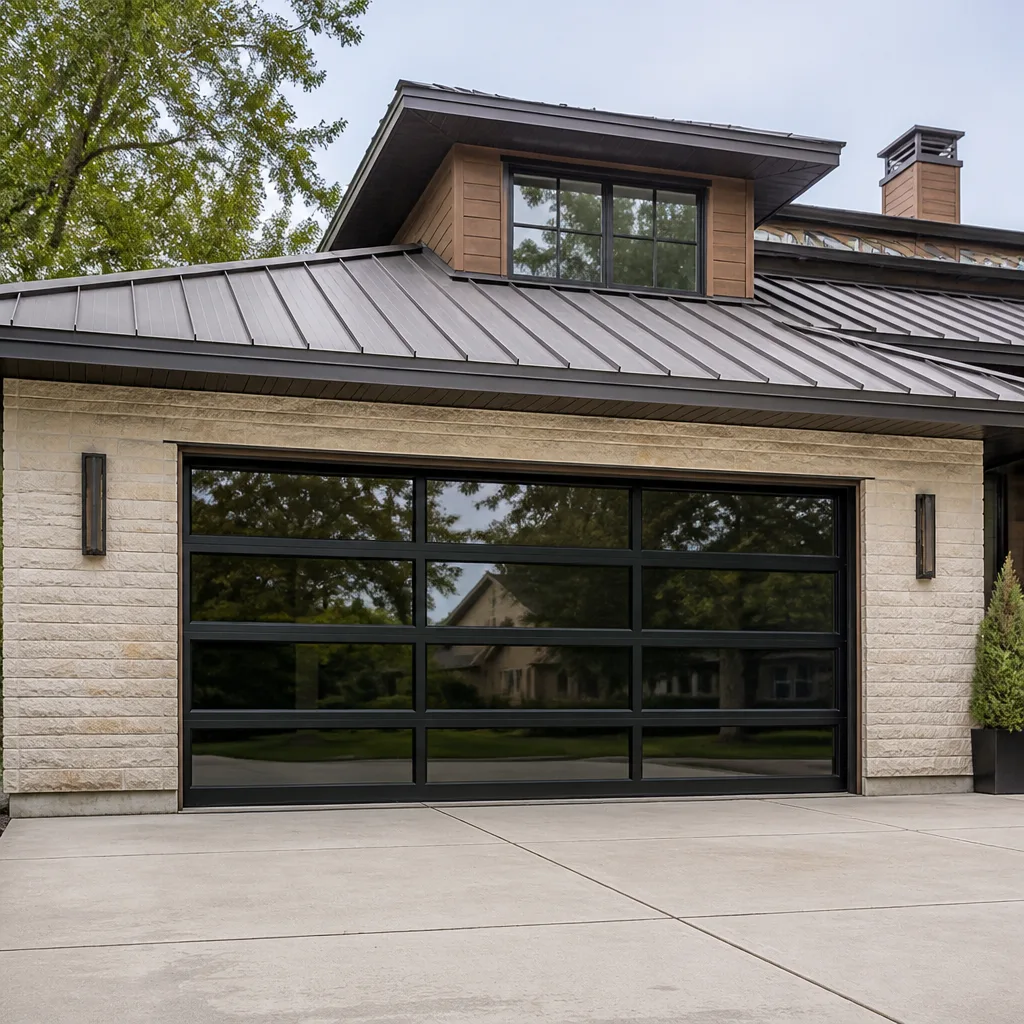 Full-view glass
 LiftMaster openers
 Chamberlain openers
Full 25-point door and opener safety check with every visit - springs, cables, rollers, tracks, and your LiftMaster or Chamberlain opener included
You get a price before we start. It does not change when the truck arrives.
Get your free estimateGarage Door Permits, Codes & Inspections in FL: What You Need to Know
Most Ocala homeowners assume a garage door swap is a simple, permit-free weekend project. In reality, Marion County treats a full garage door replacement differently than a spring repair, and the line between them trips up more sellers at closing than any other exterior item. A door installed without a required permit gets flagged during the buyer’s 4-point inspection, which then forces the seller to retroactively pull permits, schedule inspections, and sometimes remove trim or insulation work so the rough-in elements can be verified. This guide explains exactly when a permit is required, what the inspector checks, what wind load ratings matter in Ocala’s wind zone, and who carries the legal weight when things go sideways. For Garage Door Warning Signs: A Ocala Homeowner’s Reference Guide, see our companion post.
Quick Answer
In Florida, a like-for-like garage door repair (springs, cables, panels, opener swap) does not require a permit. A full door replacement that changes the structural opening, alters the header, or involves a new door that carries different wind load characteristics typically does. In Marion County, any replacement that modifies the rough opening or changes the door’s design pressure rating triggers a building permit. For most Ocala homes, a standard panel-for-panel replacement using a hurricane-rated door in the same opening falls under the repair category, but a full teardown to the studs does not.
Styles & brands we work with
Table of Contents
- What the Florida Building Code Says About Garage Doors
- Marion County Permit Thresholds Most Guides Miss
- Wind Load Requirements and Ocala’s Wind Zone
- Rough-In vs. Final Inspections: What Gets Failed
- When Hurricane Code Meets HOA Rules
- Contractor vs. Homeowner: Who Owns the Permit Risk
- Permit Costs, Timeline, and Process in Ocala
What the Florida Building Code Says About Garage Doors
The Florida Building Code (FBC) does not regulate garage doors as an isolated item. It regulates them as part of the building envelope, specifically under the wind load provisions that grew out of Hurricane Andrew’s aftermath. Section 1609 of the FBC assigns every garage door opening a design pressure rating, expressed in pounds per square foot (psf). That rating changes based on your home’s location, exposure category, and mean roof height. When a garage door is replaced in Florida, the new door must meet or exceed the design pressure required for that specific opening.
Here is what this means in practical terms for Ocala homeowners:
- A standard 16×7 steel door in a Ocala subdivision near State Road 200 typically carries a design pressure requirement between +24/-24 psf and +35/-35 psf, depending on the home’s orientation and whether the garage sits on the windward side.
- Doors in gated communities near the Ocala National Forest with heavy tree cover and lower exposure often land at the lower end of that range, but never below the code minimum for the wind speed map.
- The Florida Product Approval system requires that any new garage door installed under permit carry a valid FL product approval number. That number confirms the door was tested at an approved lab for the stated design pressure. We check this number before quoting any replacement door, because an inspector will ask for it.
The code also distinguishes between a residential garage door and a commercial overhead door. For homes, the relevant standard is ANSI/DASMA 108, which covers testing methods for wind load resistance. A door that passes ANSI/DASMA 108 testing at +40/-40 psf does not automatically satisfy a requirement for +45/-45 psf unless the product approval says otherwise. That nuance catches many homeowners who buy a “hurricane rated” door online, only to learn the rating does not match their specific opening.
In Marion County, the enforcing version of the FBC is the 8th Edition (2023), adopted statewide with a 6-month implementation window ending in June 2024. The county does not publish its own garage door code separate from the FBC. It enforces the state code through the Marion County Building Safety Department.
Marion County Permit Thresholds Most Guides Miss
Online forums and national DIY articles repeat the same rule: repairs no permit, replacements permit. That binary works in some Florida counties, but Marion County draws the line at the rough opening. If the work does not alter the structural opening, the header, or the jambs, Marion County generally classifies it as a repair even when the entire door is replaced. We have seen this play out hundreds of times on homes in Fore Ranch, Heath Brook, and Silver Springs Shores.
Here is the threshold breakdown most guides do not mention:
| Scope of Work | Marion County Treatment | Typical Trigger |
|---|---|---|
| Spring replacement, cable replacement, roller swap, hinge replacement | No permit required | Maintenance/repair of operational components |
| Opener motor or opener rail replacement | No permit required | Non-structural, low voltage electrical |
| Full door replacement, same rough opening, same design pressure or higher | Permit not required in most cases | Classified as like-for-like repair under FBC 105.2 |
| Full door replacement with opening enlargement, new header, or jamb rebuild | Permit required | Structural modification to the rough opening |
| New garage door in a new wall or new addition | Permit required | New construction |
| Door replacement that lowers the design pressure rating below the original | Permit required | Non-compliant downgrade |
The third row above is where Ocala homeowners get confused. Replacing a heavy wooden door with a modern steel or fiberglass door in the same opening does not require a permit as long as the new door’s design pressure meets or exceeds the original. But replacing a solid wood door with a lightweight unrated panel door that drops below the required psf does require a permit, because the inspector must verify the new door still satisfies Section 1609.
Our team has worked on garage doors in Ocala where the original builder installed a door rated at +30/-30 psf. A homeowner then bought a cheaper replacement online rated at +20/-20 psf and had a handyman install it without a permit. When the home went under contract, the buyer’s inspector flagged the door against the wind load map, and the seller had to pull a retroactive permit, buy a compliant door, and pay for a second installation. That entire sequence could have been avoided by checking the original door’s rating against the replacement before any work started. For step-by-step help, see our Garage Door Repair Troubleshooting: Common Problems and How to Fix Them.
Wind Load Requirements and Ocala’s Wind Zone
Ocala sits in a unique position on Florida’s wind speed map. Unlike Miami-Dade or Broward County, which carry some of the strictest wind load requirements in the country, Marion County falls in the 130 mph to 140 mph wind speed zone depending on the specific parcel. That places Ocala well below coastal areas but still requires a meaningful design pressure rating that many “standard” retail doors do not meet.
The FBC wind speed map places most of incorporated Ocala in the 130 mph ultimate design wind speed zone. Properties closer to the Gulf Coast, in western Marion County near Dunnellon, can fall into the 140 mph zone. That 10 mph difference changes the required design pressure by roughly 15 to 20 percent. A door that meets code for a home near downtown Ocala may not meet code for a property near the Rainbow River.
When we install a replacement door in Ocala, here is the wind load sequence we follow on every job:
- Confirm the home’s wind speed zone using the FBC wind speed map and the home’s parcel address.
- Determine the exposure category (B, C, or D) based on surrounding terrain. Most Ocala subdivisions are Exposure B, but homes on open lots or backing up to agricultural land often qualify as Exposure C.
- Calculate the required design pressure for the specific door opening using Section R609 of the FBC Residential volume.
- Match the replacement door’s Florida Product Approval to that design pressure, not just to the door’s marketing language.
- Document the product approval number on the permit application or repair record so the installation has a paper trail.
For context, a typical Ocala home with a 16×7 garage door, Exposure B, and a mean roof height below 30 feet will require a door rated around +26/-28 psf. That is comfortably achievable with quality steel doors from Amarr or Wayne Dalton, but it rules out many unrated budget doors sold at big-box stores. We have seen homeowners bring home doors from national retailers that carry no Florida Product Approval at all, which means the door cannot legally be installed under permit in Marion County.
Rough-In vs. Final Inspections: What Gets Failed
For garage door installations that do require a permit in Ocala, the inspection process follows a predictable sequence. Understanding what the inspector checks at each stage saves time and prevents re-visits, which cost additional fees.
The Rough-In Inspection
The rough-in inspection happens before the door is installed, when the structural points are still visible. Many contractors skip this step and then fail the final inspection because the rough-in elements are covered. Here is what a Marion County inspector checks during rough-in:
- Header condition and size: The existing header over the garage door opening must be sized correctly for the opening span. On older Ocala homes built before modern truss design, headers are often undersized, and the inspector will flag that before any door work proceeds.
- Jamb attachment: The inspector verifies the side jambs are properly anchored to the wall framing. In block construction common to Ocala’s 1970s-era homes, this means checking the tapcon or anchor bolt pattern.
- Opening dimensions against the approved plan: If the permit application states a 16×7 opening, the inspector confirms the actual rough opening matches. Discrepancies are the number one reason rough-in inspections fail.
- Wind load documentation: The inspector may ask to see the Florida Product Approval for the door being installed, even at rough-in stage, to confirm the specified product matches the plan.
The Final Inspection
After the door is installed, the final inspection focuses on operational and compliance items. The most common failure points in Ocala are:
- Missing or misaligned photo eyes: FBC requires non-contact safety sensors within 6 inches of the floor. Doors with sensors mounted too high or too wide fail immediately.
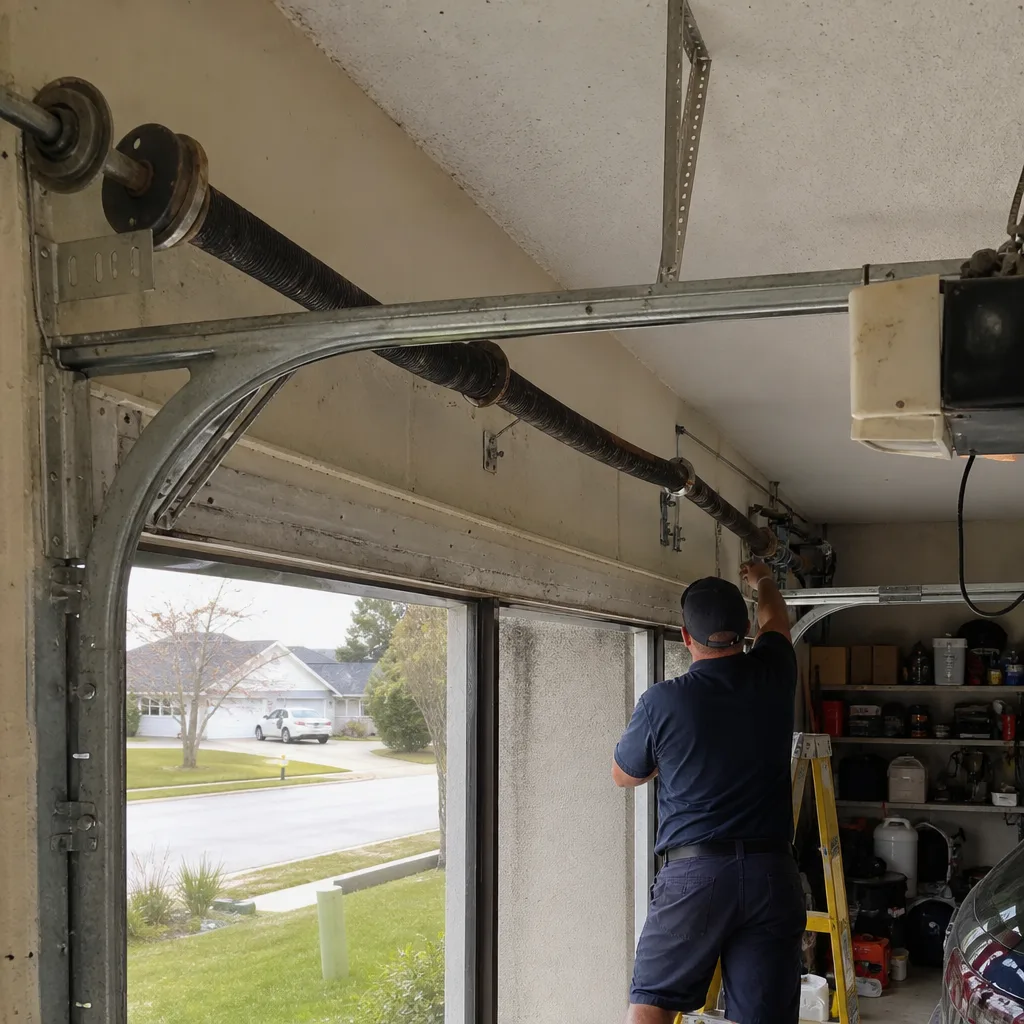
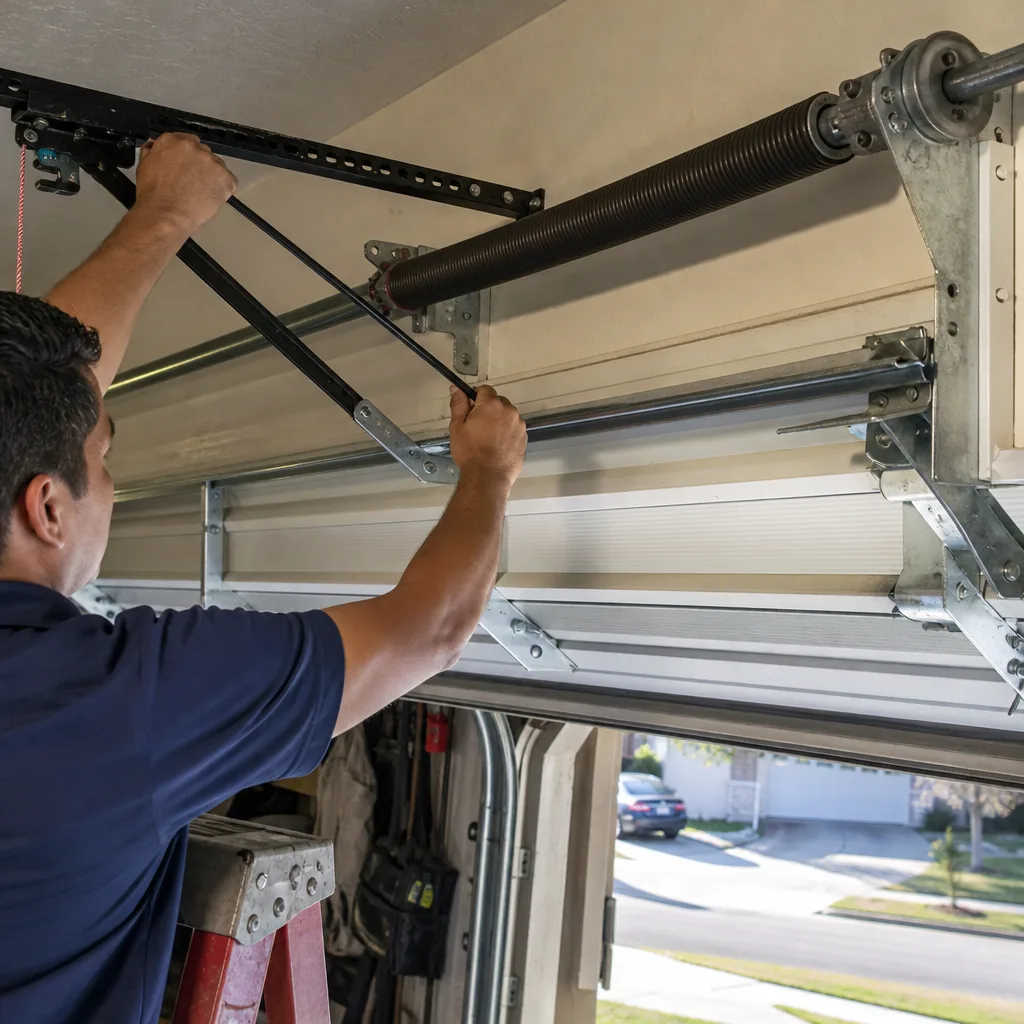
- Improper spring containment: Extension springs require safety cables running through the spring coils. The inspector will check for these. Torsion springs must have correct containment brackets.
- Wind load tags or labels: The door must carry a permanent label or sticker indicating its design pressure rating and Florida Product Approval number. If the label was removed during installation, the inspector may accept the paperwork, but it is better to keep the label visible.
- Manual release operation: The inspector will pull the emergency release and confirm the door can be operated manually without the opener. This checks the door balance and the release mechanism.
In our experience in Ocala, roughly 80 percent of failed final inspections involve the photo eyes or a missing wind load label. Both are corrections that take minutes when caught early, but they trigger a $75 re-inspection fee when missed. That is why we run through the full inspection checklist—our Garage Door Repair Maintenance Checklist for Ocala Homeowners—before calling for the final visit.
When Hurricane Code Meets HOA Rules
Ocala’s position between Orlando and Gainesville has made it a target for master-planned communities with strict architectural guidelines. Communities like On Top of the World, Fore Ranch, and Heath Brook maintain design review boards that govern garage door appearance, materials, and color. That layer interacts with Florida’s building code in ways that create real conflicts.
The short version: building code tells you how strong the door must be. The HOA tells you how it must look. Sometimes those requirements collide. A common Ocala scenario is a homeowner in a community with a wood-look carriage house requirement who needs to replace a door with a steel hurricane-rated unit. The steel door meets code but violates the HOA’s design standard. We have seen HOAs in Ocala approve specific composite or overlay doors that carry the required wind rating while maintaining the carriage house aesthetic. The key is getting the product approval number to the HOA review board before ordering, because many boards do not understand wind load ratings and will reject a compliant door based on appearance alone.
Here is how to thread that needle without getting stuck:
- Pull the HOA’s design guidelines first before looking at door products. Know what styles, colors, and materials the board approves.
- Filter candidate doors by Florida Product Approval for your wind speed zone, then cross-reference against the HOA’s approved style list.
- Submit the product approval sheet with your HOA application so the board sees the door is code-compliant. Many rejections happen because the board assumes a compliant door is not available in the approved style.
- Get written HOA approval before ordering the door, because returns on custom-size garage doors are not always accepted.
We have helped Ocala homeowners in multiple gated communities navigate this process. Amarr and Wayne Dalton both produce carriage-house style doors with Florida Product Approvals that satisfy design review boards while meeting the wind load numbers. Raynor offers similar options in their custom line. The process takes longer than a standard replacement, but it avoids the worst-case scenario: installing a door the HOA demands be removed.
Contractor vs. Homeowner: Who Owns the Permit Risk
Florida law is clear on this point, and most homeowners do not understand it until something goes wrong. Florida Statute 489.128 makes it a misdemeanor for a contractor to perform work requiring a permit without obtaining that permit. That means the legal obligation to pull the permit falls on the licensed contractor when one is hired. We take that obligation seriously in Ocala and handle permit paperwork on every job that requires one.
But here is the part that surprises sellers: the homeowner is still financially exposed even when a contractor skips a required permit. If an unpermitted garage door replacement is flagged during a home sale, the homeowner pays for the retroactive permit, the inspection fees, and any corrective work. The buyer’s lender will not close with an open code violation, and the seller has no leverage to push the original contractor to fix it if that contractor is unresponsive or out of business.
When the homeowner acts as their own contractor (the “owner-builder” exemption in Florida), they assume both roles: the legal responsibility to pull the permit and the financial responsibility for any failed inspection. Florida law allows an owner to pull their own permit on a primary residence, but that does not exempt the work from inspection. The same wind load verification, rough-in check, and final inspection apply.
Our position in Ocala is simple: if the job needs a permit, we pull it, schedule the inspections, and stand behind the work through the final approval. That protects the homeowner from the retroactive permitting nightmare that delays closings. When we install a garage door opener or replace a spring, no permit is needed, and we tell the homeowner that clearly so they are not paying for unnecessary paperwork.
Permit Costs, Timeline, and Process in Ocala
Marion County’s permit fees for garage door work are modest compared to the cost of retroactive permitting. A standard residential garage door replacement permit in Ocala runs between $75 and $150 depending on the valuation of the work, plus any re-inspection fees if the first visit fails. The timeline from application to final approval typically spans 2 to 5 business days, though complex jobs with structural changes can extend that window.
The standard process follows this sequence:
- Permit application submitted with product approval documentation and a simple site plan showing the door location.
- Permit approval and payment processed by the Marion County Building Safety Department, typically within 24 to 48 hours for simple residential projects.
- Rough-in inspection scheduled if the job involves structural changes, or skipped if the opening is unchanged and the permit is for replacement only.
- Door installation completed by the contractor.
- Final inspection scheduled and completed by the county inspector. The inspector verifies the wind load label, photo eyes, spring containment, and manual operation.
- Final approval recorded and the permit closed. The homeowner receives a copy for their records.
For homeowners in Ocala replacing a door outside of permit requirements, we still document the new door’s design pressure rating and Florida Product Approval number and provide that paperwork to the homeowner. That documentation becomes important when the home sells and the buyer’s inspector asks for proof that the replacement door meets code.
Garage door brands play a role in this process. When we install a Raynor or Clopay door in Ocala, the product approval paperwork ships with the door and we retain a digital copy for the homeowner. If that home sells in three years, the buyer’s inspector asks for the wind load verification, and the homeowner has it in hand. That small piece of paper has kept more than one Ocala closing on schedule.
Common Mistakes to Avoid
- Assuming all garage door work is permit-exempt. Spring and opener repairs are exempt, but structural changes to the opening are not. The distinction matters most when the home goes under contract.
- Buying a door without a Florida Product Approval. A door that meets code in Georgia or Texas does not automatically meet Florida’s wind load requirements. Check the FL approval number before purchasing.
- Skipping the rough-in inspection on structural work. Once the door is hung, the inspector cannot verify the header or jamb anchors, and the final inspection will fail.
- Hiding the wind load label during painting or finishing. The inspector needs to see that label, and removing it creates unnecessary paperwork. Keep it visible or keep a clear photo on file.
- Not checking the HOA before ordering a replacement door. In Ocala communities with design review boards, a code-compliant door can still be rejected on aesthetic grounds. Written HOA approval comes first.
- Hiring a general handyman for structural garage door work. A handyman without a contractor license cannot pull a permit in Marion County, which leaves the homeowner exposed to the retroactive permitting scenario. A garage door specialist with the right licensing handles the permit as part of the job.
- Assuming the buyer’s inspection will not catch an unpermitted replacement. The Florida 4-point inspection specifically checks the garage door, and many inspectors cross-reference the door’s rating against the wind load map.
See the difference
 Before
 After
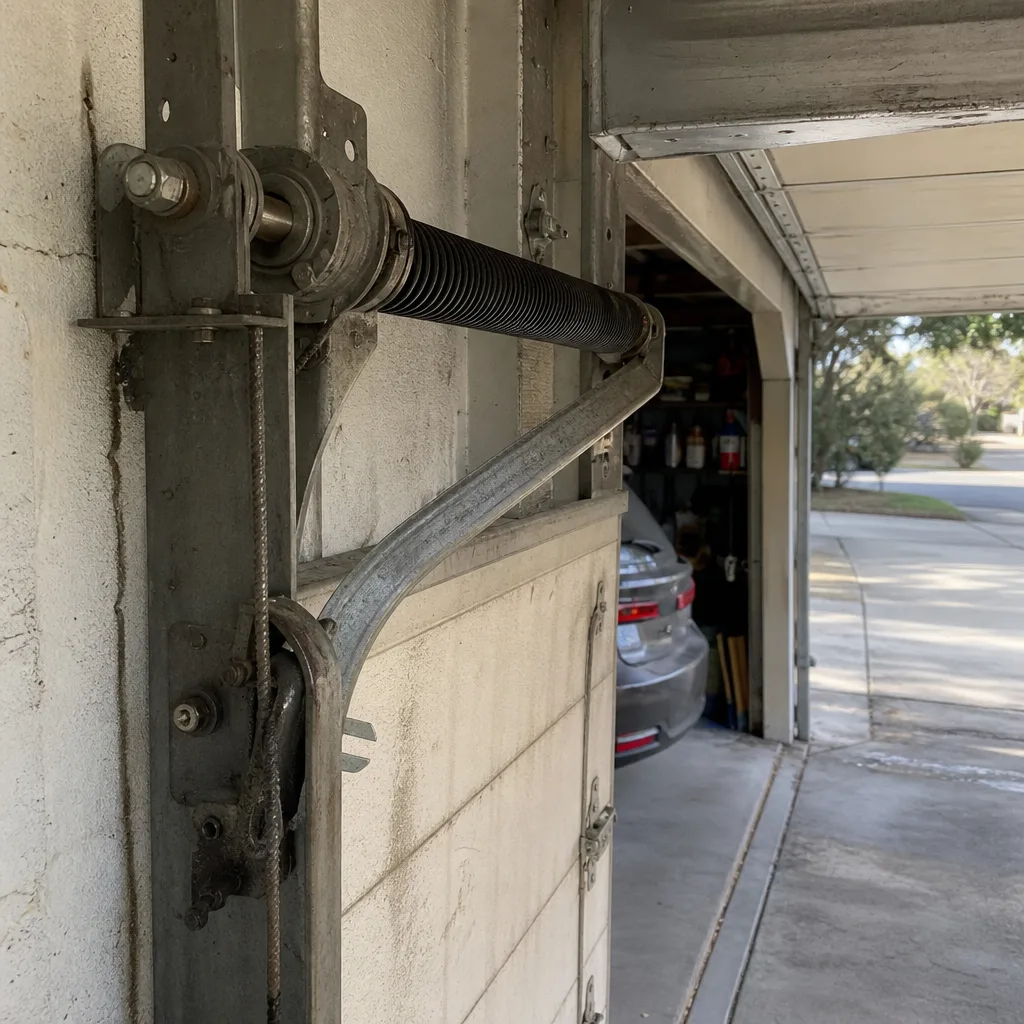 Before
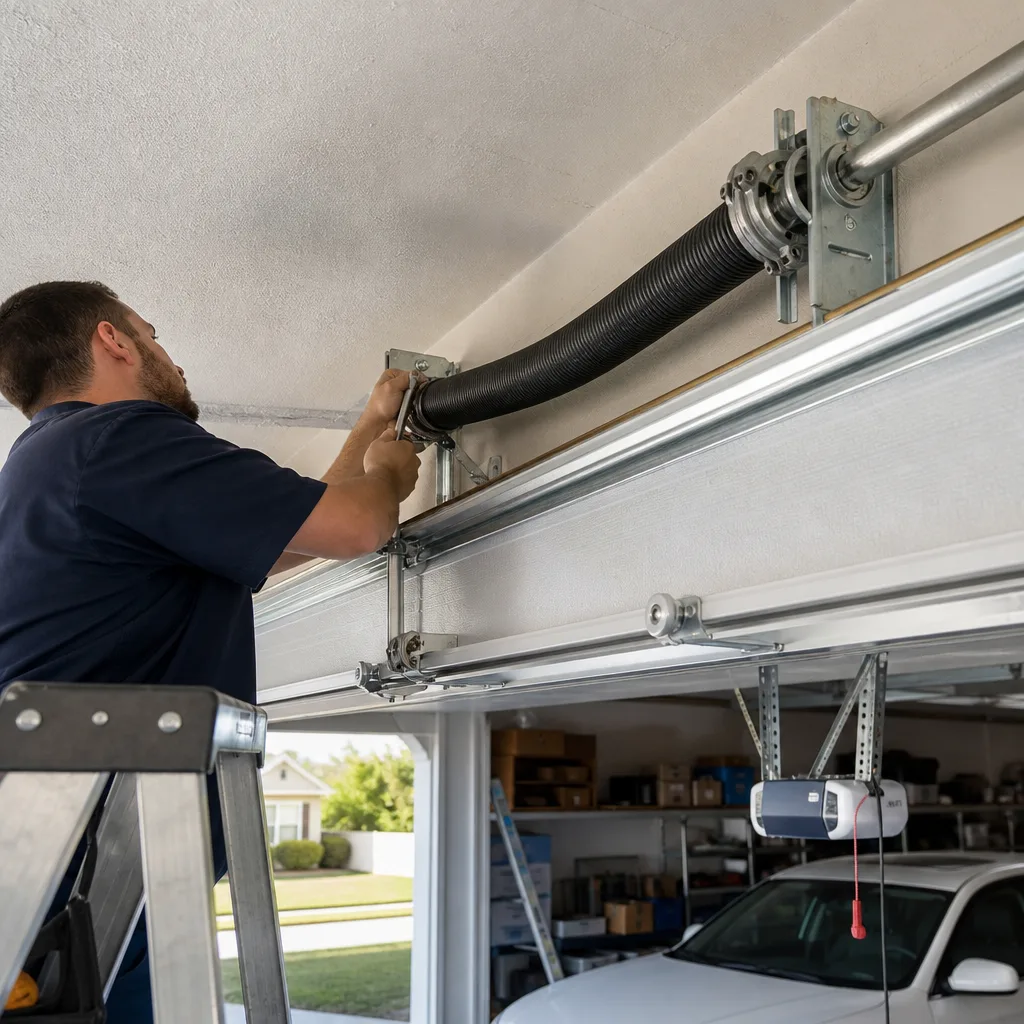 After
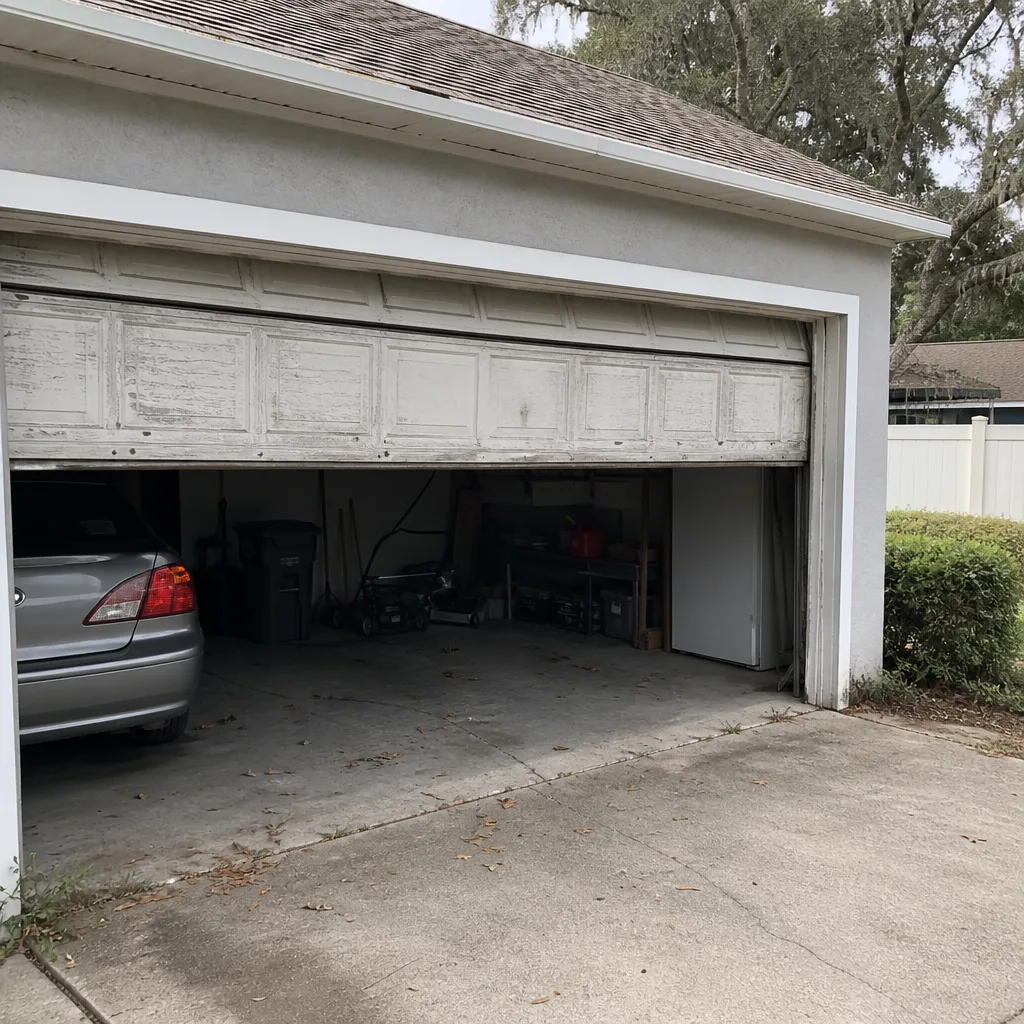 Before
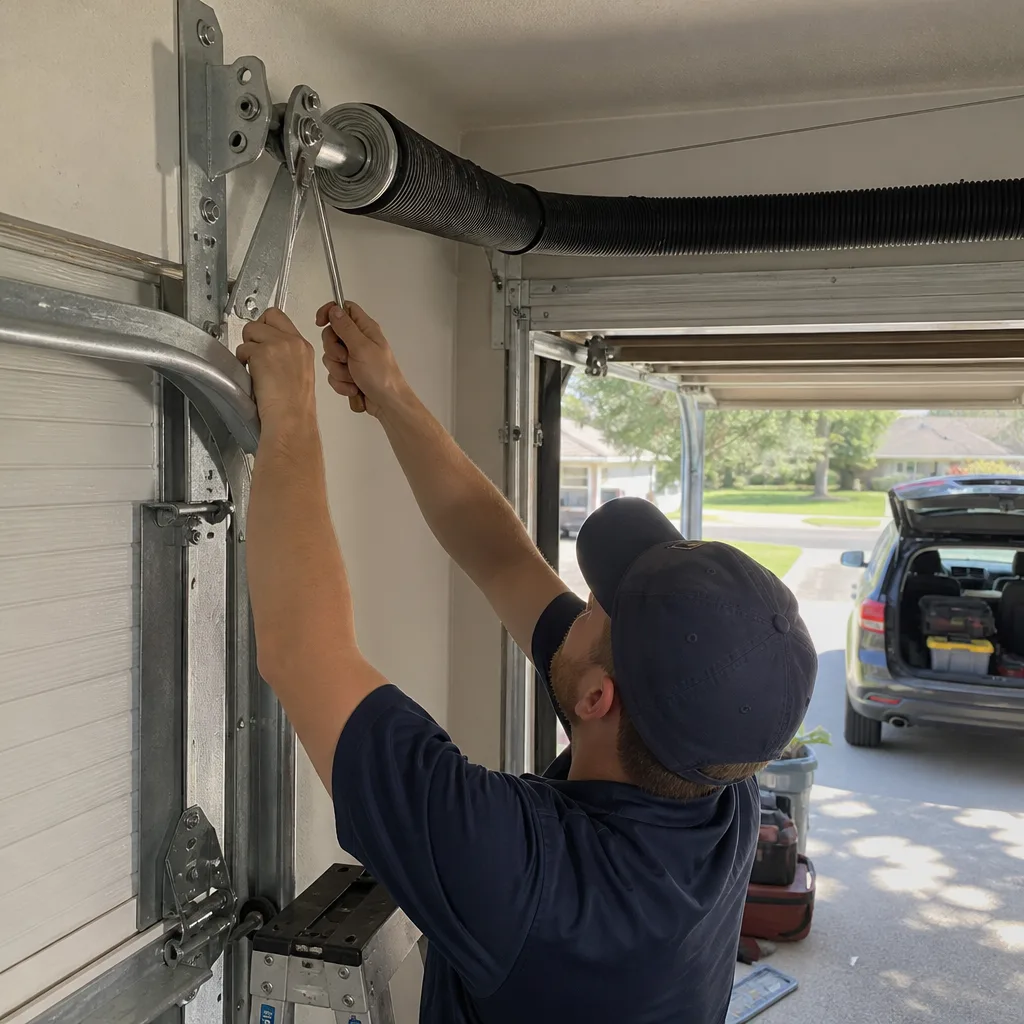 After
When to Call a Professional
Garage door permit rules in Florida are not intuitive, and the consequences of guessing wrong show up at the worst possible moment: during a home sale. If you are replacing a full door in Ocala, changing the size of your opening, or unsure whether your new door meets the wind load requirements for your street, call a specialist who handles permits daily. This is not a situation where a general handyman’s best guess is good enough. Garage Door Repair in Ocala covers the full scope of work, from spring replacements that need no permit to full door replacements that do. We check the wind load map, pull the permit when required, and stand with you through the final inspection. If the door works but the opener has failed, Garage Door Opener Repair in Ocala handles that without permit paperwork, since openers fall outside permit requirements. For full replacements with new product approvals, our Garage Door Installation in Ocala service covers the entire process from rough opening to final inspection. Call (855) 795-2118 for a free estimate and a straight answer on whether your job needs a permit.
Frequently Asked Questions
Most like-for-like garage door replacements in Ocala do not require a permit, provided the rough opening remains unchanged and the new door meets or exceeds the original design pressure rating. A permit is required when the opening size changes, the header or jambs are modified, or the new door carries a lower wind load rating than the original.
Most of Ocala falls in the 130 mph ultimate design wind speed zone, with western Marion County areas near Dunnellon reaching 140 mph. A typical residential 16×7 door in an Exposure B subdivision requires a design pressure around +26/-28 psf, though the exact number depends on your parcel’s exposure category and mean roof height.
Florida allows a homeowner to act as an owner-builder on their primary residence, which means you can pull your own permit and perform the work yourself. However, the work still requires rough-in and final inspections, and you assume full legal and financial liability if an inspection fails or the door does not meet wind load code.
An unpermitted garage door replacement can be flagged during the buyer’s 4-point inspection, which then forces the seller to retroactively permit the work, schedule inspections, and pay for any corrective work before the closing can proceed. This delay can stretch closing by 2 to 3 weeks.
HOA design guidelines govern appearance, while Florida Building Code governs wind load performance. A door can meet one requirement and fail the other. The solution is to find a door with both a Florida Product Approval for your wind zone and a style approved by your HOA’s design review board, then submit both documents with your application.
The inspector verifies the door’s wind load label and Florida Product Approval number, checks the photo eye sensors within 6 inches of the floor, confirms spring containment cables or brackets are in place, and tests the manual release operation. Missing photo eyes and missing wind load labels are the most common failure points.
The Bottom Line
Garage door permits in Ocala are not as simple as the national advice suggests. A spring replacement needs no permit, and neither does a like-for-like door swap in the same rough opening with a compliant wind load rating. But change the opening size, drop the design pressure, or modify the header, and Marion County requires a permit with rough-in and final inspections. The cheapest insurance against a retroactive permitting disaster is checking the wind load map and product approval before ordering any door, then working with a specialist who knows which threshold your specific job crosses. We have guided Ocala homeowners through this process for over a decade. Call (855) 795-2118 when you need a straight answer on your specific garage door project.
Written by the team at Key Step Garage Door Repair, serving Ocala since 2013.