

Last updated October 30, 2026
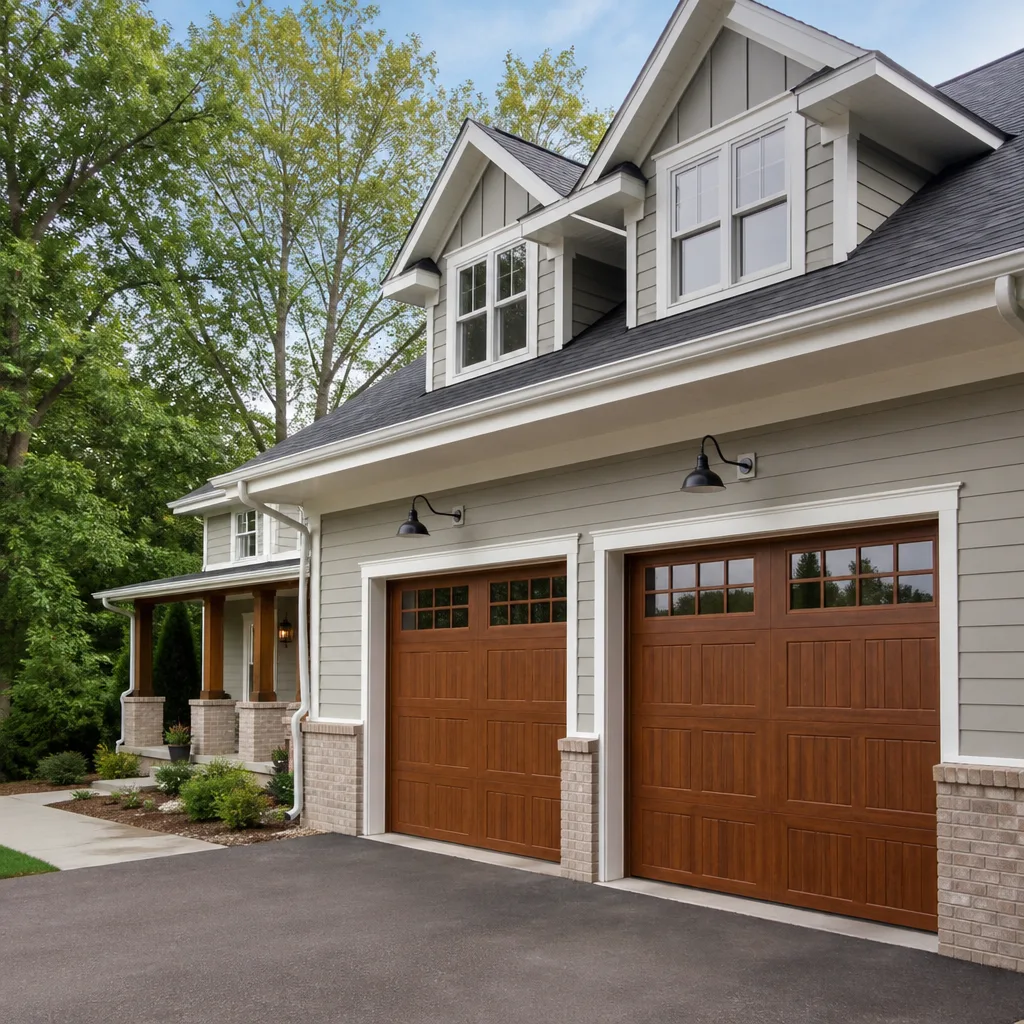
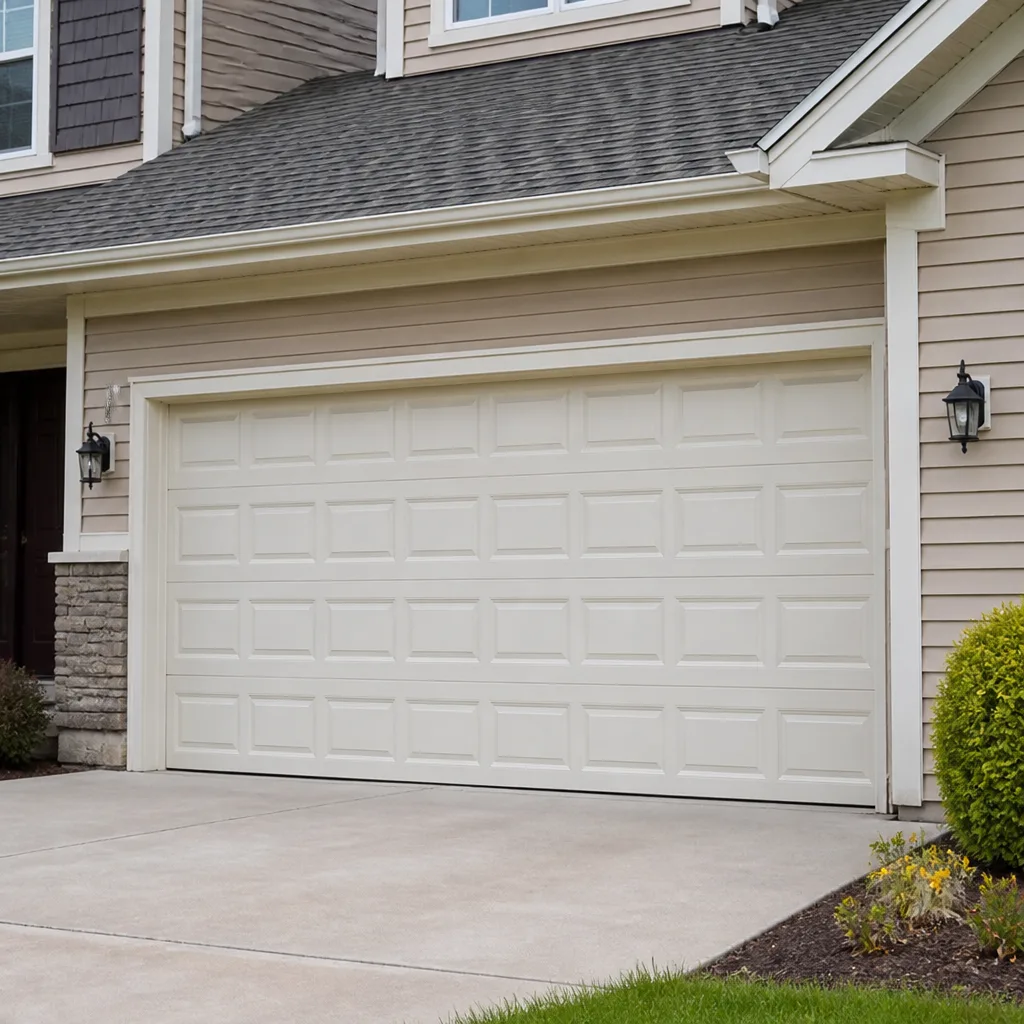 Raised-panel steel
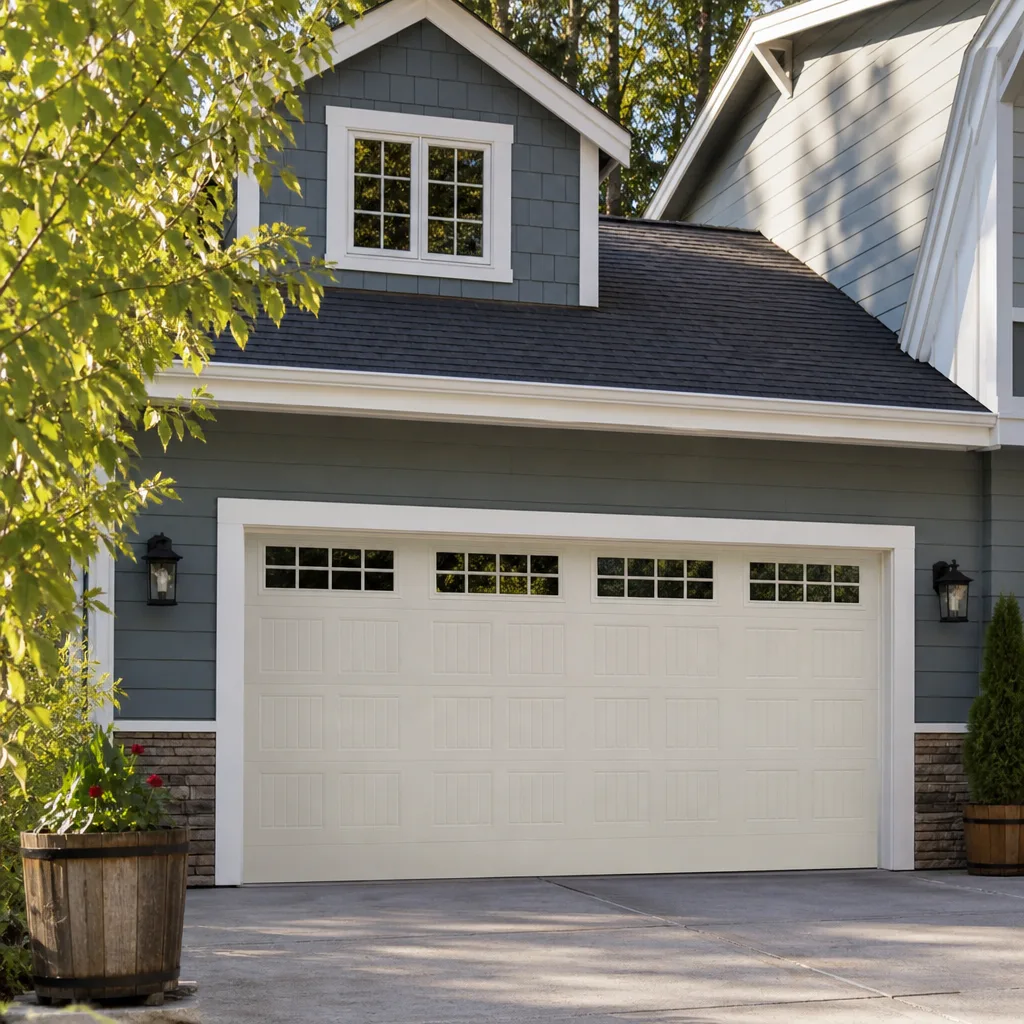
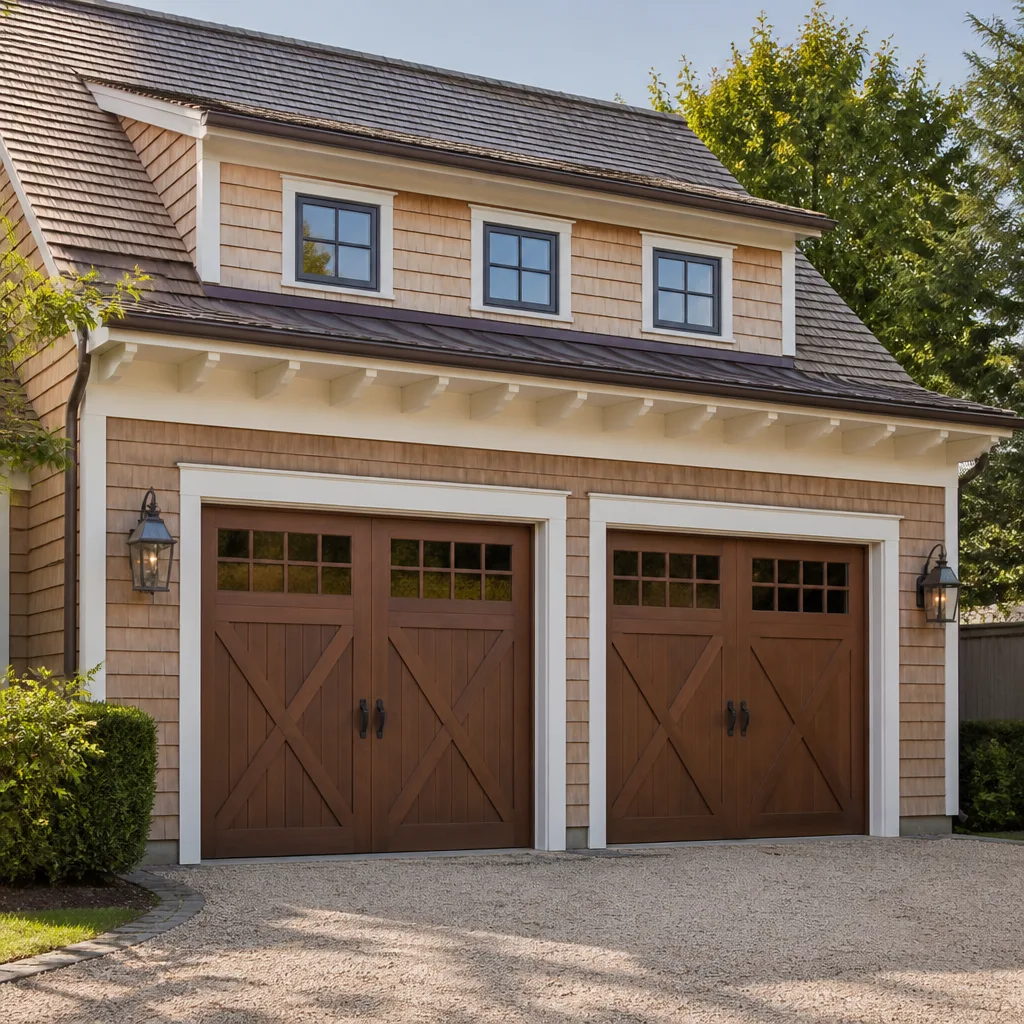 Carriage house
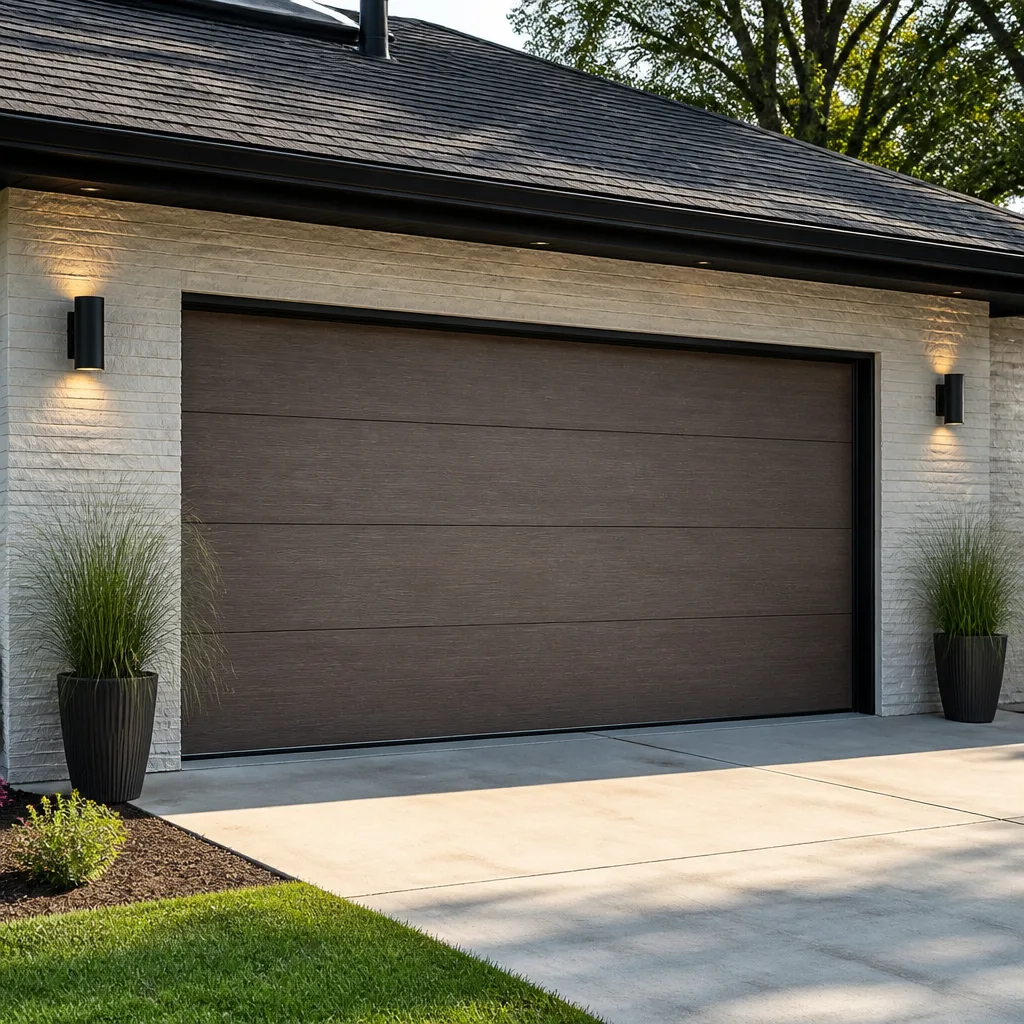 Modern flush
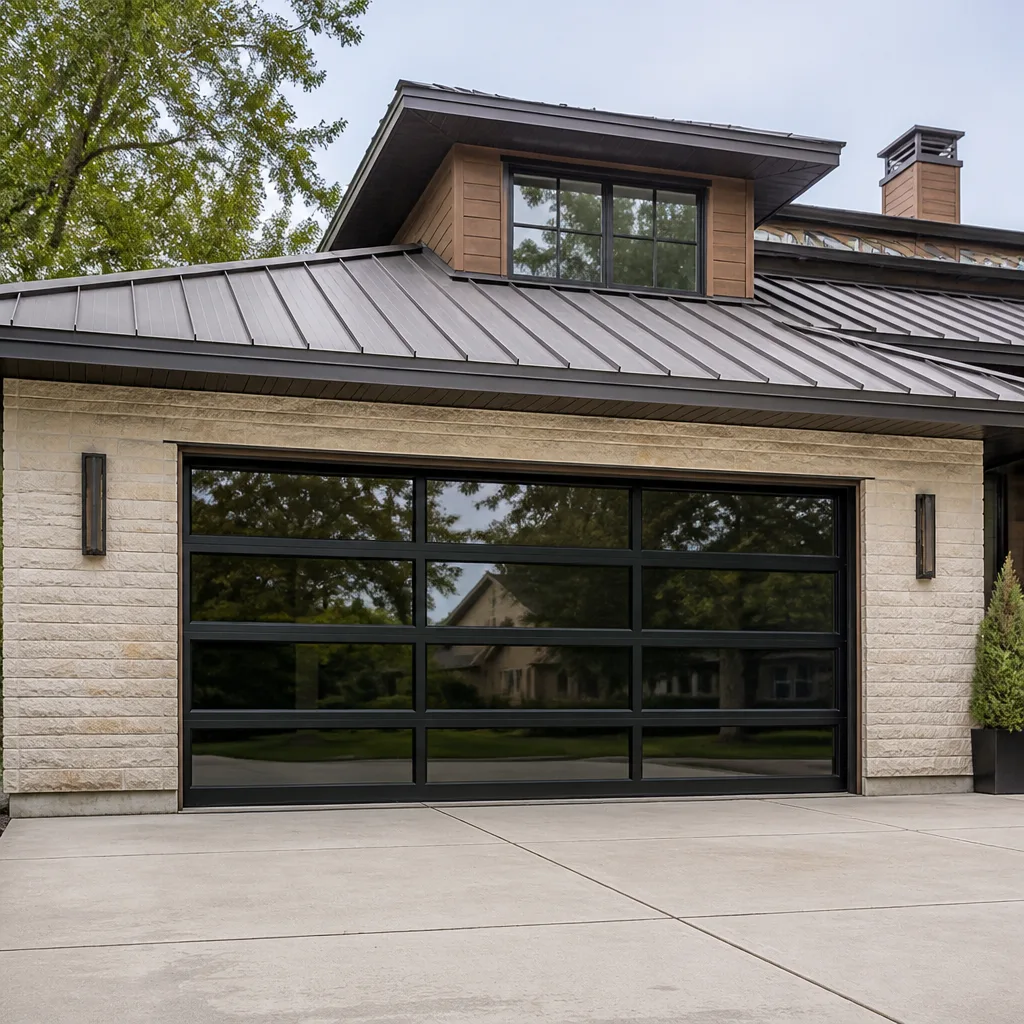 Full-view glass
 LiftMaster openers
 Chamberlain openers
Full 25-point door and opener safety check with every visit - springs, cables, rollers, tracks, and your LiftMaster or Chamberlain opener included
You get a price before we start. It does not change when the truck arrives.
Get your free estimateHow to Hire a Garage Door Contractor in Ocala: A Step-by-Step Guide
Florida does not require a specialty license to replace a garage door. Let that settle for a moment. The person quoting your job in Ocala may have spent last month hanging drywall, not balancing torsion springs. That single fact is why this guide exists. By the time you finish reading, you’ll know how to verify a contractor’s credentials through the state database, which questions expose whether a technician actually knows your door’s brand, and how to structure payment so you’re never left holding an unfinished job and a lighter wallet.
Styles & brands we work with
Quick Answer
To hire a garage door contractor in Ocala, verify their Florida contractor license through the DBPR database, confirm they have direct experience with your specific door and opener brands, require a written estimate that itemizes parts by manufacturer, and never pay in full before the door is installed and balanced. The right contractor should name the brands they work on without hesitation—something we cover in depth in our guide to Choosing the Right Garage Door Brand—not promise to “figure it out” on-site.
Table of Contents
- Step 1: Verify Their Florida License Through the DBPR Database
- Step 2: Confirm Brand-Specific Experience Before They Arrive
- Step 3: Demand a Written Estimate That Itemizes Parts by Manufacturer
- Step 4: Structure Payment Terms That Protect You
- Step 5: Spot Red Flags in the Estimate Before You Sign
- Step 6: Ask Questions That Separate Specialists from Generalists
- Step 7: What to Expect After You Hire
- Common Mistakes to Avoid
- When to Call a Professional
- Frequently Asked Questions
- The Bottom Line
Step 1: Verify Their Florida License Through the DBPR Database
Here’s what most Ocala homeowners don’t realize: the Florida Department of Business and Professional Regulation (DBPR) maintains a free, public database where you can look up any contractor’s license status, complaint history, and whether the license is active or lapsed. The entire search takes under three minutes once you know where to look. You’ll want to head to the DBPR website, select “Verify a License,” and search by the contractor’s name or license number. What you’re looking for goes beyond a simple “active” status. Check the license type. A garage door contractor in Florida may operate under a general contractor’s license, a specialty contractor classification, or in some county-level registration systems depending on the scope of work. Ocala sits in Marion County, which has its own local licensing requirements for certain trades, so a contractor who passed muster in Tampa may not be properly registered to work here.
Beyond the license number itself, look at the discipline and complaint tabs in the DBPR system. A single complaint from three years ago may mean nothing. Three complaints in the last eighteen months about unfinished work or surprise charges? That’s a pattern. You should also confirm the name on the license matches the name on the estimate and the name on the invoice. Mismatched names are how unlicensed individuals rent license numbers, and it happens more often than you’d think in Florida’s service market. When we talk to Ocala homeowners who’ve had bad experiences, a striking number never checked the database at all. They hired based on a truck decal and a business card. A three-minute lookup would have saved them thousands.
Step 2: Confirm Brand-Specific Experience Before They Arrive
Garage doors are not generic. A Clopay door and an Amarr door use different track profiles, different hinge configurations, and often different spring specifications. An opener from LiftMaster and one from Genie share almost no internal components. When a contractor tells you “a garage door is a garage door,” that’s your signal to end the call. What you want to hear is specific. Ask this question directly: “Which brands do you work on most often?” A specialist will answer without pausing. They’ll name Clopay, Wayne Dalton, Amarr, LiftMaster, Chamberlain, Genie. A generalist will say something like “all of them” or “whatever you have” and change the subject to price. Key Step Garage Door Repair home information covers our full service approach, but the principle applies to any contractor you call: brand familiarity is the difference between a diagnosis that takes twenty minutes and one that takes three hours of guesswork.
The opener matters as much as the door itself. Your garage door system is an integrated machine, not a steel panel with a motor bolted on. A technician who knows the door but not the drive system is half a specialist. When you call a contractor in Ocala, ask them to describe how they’d approach a problem with, say, a Wayne Dalton door paired with a Craftsman opener. Do they talk about the interaction between the two? Do they mention torque settings, travel limits, or force adjustments? If they look confused, they’re learning on your dime. This is why we structure our own process around the full system, as detailed in The Complete Garage Door Repair Guide for Ocala Homeowners: from the opener to the panel. The door and the drive have to communicate correctly, and a technician who understands that relationship saves you from repeat visits.
Step 3: Demand a Written Estimate That Itemizes Parts by Manufacturer
A legitimate written estimate for garage door work in Ocala should list every component being replaced or installed, with the manufacturer’s name next to each line item. If your estimate says “spring replacement” with a single dollar figure and no brand name, you don’t have an estimate. You have a guess with a number attached. Ask for specifics. Which spring manufacturer? What wire gauge? What cycle rating? A quality torsion spring is rated for 10,000 cycles or more. A cheap aftermarket spring may fail at half that, and you’ll be paying for the same repair again in three years. This is where the lowest quote in Ocala often hides its true cost. Aftermarket parts without manufacturer backing have their place in some scenarios, but you should know that’s what you’re paying for before the work starts, not discover it when the spring snaps prematurely.
For opener repairs, the estimate should name the board, gear kit, or sensor being replaced, along with whether it’s OEM or aftermarket. For full door replacements, the estimate should specify the door manufacturer, the model line if applicable, the insulation R-value, the panel gauge, and the spring type. If a contractor resists itemizing, that resistance is information. Experienced contractors itemize because it protects them as much as it protects you. A clear paper trail means no dispute about what was ordered, what was installed, and what was paid. In our Garage Door Repair in Ocala practice, we write estimates that name the brand, the part, and the labor separately. You should expect the same from anyone you’re considering.
Step 4: Structure Payment Terms That Protect You
Here’s the payment structure that works for both parties on most residential garage door jobs in Ocala, based on years of watching deals go well and badly. For a typical repair under $500, payment on completion is standard and reasonable. You shouldn’t be asked for a deposit to replace a spring or adjust a track. For larger jobs like a full door replacement, a deposit of 30 to 50 percent is common and legitimate, covering the cost of ordering the door. The balance is due when the door is installed, balanced, and you’ve watched it run through a full open-and-close cycle with the opener connected. Never, under any circumstances, pay the full amount before the door is hanging and functioning. A contractor who demands full payment upfront is either undercapitalized, which is a risk to you, or planning an exit, which is worse.
Payment method also matters. Credit cards offer you dispute protection that cash does not. If a contractor offers a meaningful discount for cash, that’s a business preference, not necessarily a red flag. But if they’re pushy about it, or if the write-up on the invoice seems vague in a way that would make a card dispute harder, slow down. The written estimate you insisted on in Step 3 is your leverage. It specifies what was promised. If the work doesn’t match the estimate, you have grounds to withhold payment until it does. This is why the itemization step comes before the payment step. The two work together. For larger projects, consider a written contract with a start date and a completion window. A contractor who won’t put a completion date in writing is telling you something about how they manage their schedule. Our Garage Door Installation in Ocala process always includes a written scope and timeline, because it’s the only way to hold both sides accountable.
Step 5: Spot Red Flags in the Estimate Before You Sign
Experienced garage door contractors in Ocala have developed a consistent way of writing estimates, and the deviations from that norm are easy to spot once you know what to look for. The first red flag is a lump-sum quote with no parts list. You’ve already covered this in Step 3, but it bears repeating: a single number with no breakdown means you can’t verify what you’re paying for. The second red flag is an estimate that’s dramatically below every other quote you received. In a market like Ocala, where legitimate contractors are working from similar parts costs and similar labor rates, a quote that comes in 40 percent under the field isn’t a bargain. It’s a signal that something is being cut: parts quality, insurance coverage, or follow-through.
Here are more specific warning signs that show up in written estimates from less reputable operators:
- “Miscellaneous materials” as a line item with no dollar cap. This is a blank check. A legitimate estimate specifies what’s included, period.
- No warranty language at all. Even a basic parts warranty should be stated. Silence on this point means the contractor is not confident in the parts they’re installing.
- A handwritten estimate on a blank sheet with no business name, license number, or address. In Marion County, a paper trail that can’t be traced is a paper trail that can’t be enforced.
- “Work begins immediately upon deposit” with no scheduled date. Urgency without scheduling is a classic pressure tactic that evaporates once the deposit clears.
- An estimate that doesn’t specify who pulls permits if the job requires them. Most residential door replacements don’t require permits in Ocala, but adding a new opening or major structural modification might. A contractor who waves this off with “we don’t need permits” when local code says otherwise is putting you at risk.
Step 6: Ask Questions That Separate Specialists from Generalists
You can learn more about a contractor in a five-minute phone call than in an hour of online research, provided you ask the right questions. The goal isn’t to interrogate anyone. It’s to determine whether the person on the other end of the line has done this specific job on this specific type of door before. Here are the questions we recommend Ocala homeowners ask, and what the answers reveal:
- “What brands do you work on most often?” A specialist names brands. A generalist says “all of them.” If you have a Raynor door, ask specifically about Raynor. If the contractor hesitates, that hesitation is your answer.
- “Walk me through how you’d diagnose a door that reverses when closing.” This is one of the most common service calls in Ocala, especially during the humid summer months when sensor lenses fog. A knowledgeable technician will describe checking the photo eye alignment, examining the force settings, and evaluating track condition. A beginner will say “we’ll figure it out when we get there.”
- “Do you carry parts on the truck, or do you order after diagnosis?” For Garage Door Opener Repair in Ocala work, carrying common boards, sensors, and gears is the norm for a specialist. If every part has to be ordered, you’re paying for two visits when one should have sufficed.
- “What’s your approach when a door is off-track with a broken cable?” This is a test of safety knowledge. The correct answer involves releasing tension, securing the door, and never attempting to force the door back onto the track while springs are loaded. A contractor who doesn’t mention spring tension as a hazard is not someone you want touching your system.
- “Can you give me the name of a supplier you work with?” Legitimate contractors have ongoing relationships with parts distributors. If a contractor is buying all their parts retail from a big-box store, they’re paying retail prices, which means either your quote is inflated or they’re cutting corners elsewhere.
Step 7: What to Expect After You Hire
Once you’ve selected a contractor and agreed on the scope and price, the job itself should follow a predictable pattern. On repair work, expect the technician to arrive with the parts needed for the job you described, plus common spares for what they might discover. They should walk you through what they’re seeing before they start work, and the final price should match the estimate unless they found something genuinely different and discussed it with you first. A door that needs a new panel is a different job than a door that needs a new roller, and that difference should be explained in plain language before the work proceeds.
On installation work, expect a measurement visit or a detailed measurement process before the door is ordered. Garage doors are not one-size-fits-all, and a contractor who orders your door without measuring is either guessing or planning to pad the frame to make it fit. Both outcomes are bad. After installation, the contractor should run the door through several cycles, check the balance with the opener disengaged, verify the auto-reverse safety feature, and walk you through basic operation and lubrication points. If they’re done in fifteen minutes with no demonstration and no walkthrough, the job isn’t finished, regardless of what the invoice says. This step-by-step approach is what the name “Key Step” refers to in our own work. Every job follows a deliberate sequence. The right fix, not just a fast one.
Common Mistakes to Avoid
- Hiring the first contractor who answers the phone. Emergency calls create urgency, and urgency creates bad decisions. In Ocala’s summer storm season, when doors go down after power surges, the busiest contractors are often the ones spending the least time on diagnosis. Call two or three before you commit.
- Accepting a quote over the phone without photos. A contractor who quotes a spring replacement without seeing the door is quoting a guess. A reputable contractor will ask for photos or schedule a quick visit before committing to a price.
- Choosing the lowest bid without comparing the parts list. Three quotes for the same job should be within a reasonable band of each other. When one is radically lower, put the parts lists side by side. The difference is usually in the parts, not the labor.
- Skipping the DBPR check because it feels like homework. Three minutes. That’s the entire time commitment. Every Ocala homeowner we’ve spoken to who got burned skipped this step.
- Paying the full amount upfront for a door replacement. A deposit is fair. Full payment before the door arrives is not. If the contractor walks, you have no leverage.
- Ignoring the opener when replacing the door. An old opener paired with a new, heavier door works harder and fails sooner. A good contractor will evaluate the opener as part of the door replacement conversation, not as an upsell.
- Assuming all contractors carry the same insurance. Ask for proof. A contractor without liability insurance is a lawsuit waiting for an accident. In Florida, where storms and humidity put unusual stress on door hardware, the risk is real.
When to Call a Professional
Some garage door issues are maintenance tasks you can handle yourself: lubricating hinges, checking sensor alignment, tightening visible bolts. Others are genuinely dangerous. Torsion springs under tension can release with enough force to cause serious injury or death. Cables that snap while under load can whip with the same energy. If your door has a broken spring, a snapped cable, or has come off its track, do not attempt to fix it yourself. This is not a matter of capability. It’s a matter of stored energy. A trained technician knows how to release that energy safely, in the right sequence, with the right tools. Key Step Garage Door Repair offers free estimates in Ocala. Call (855) 795-2118 and we’ll assess the problem, explain the fix in plain language, and give you a written quote before any work begins.
Frequently Asked Questions
Spring replacement in Ocala typically ranges from $180 to $340 depending on the spring type, cycle rating, and brand. Aftermarket springs sit at the lower end and may wear out faster, while OEM springs from manufacturers like Wayne Dalton or Clopay cost more upfront and last longer. Call (855) 795-2118 for an exact quote. Estimates are free and always itemized.
Most residential door replacements in Ocala do not require a permit when the existing opening remains unchanged. If you’re adding a new opening, enlarging the existing one, or doing structural work, Marion County permitting rules may apply. A knowledgeable contractor will tell you which scenario applies to your job and handle the paperwork if needed.
A typical single-door installation in Ocala takes four to six hours once the door is on-site. The door itself may take one to two weeks to arrive from the manufacturer, since doors are built to order for your specific opening dimensions. The installation itself is a one-day job in most cases, including removal and disposal of the old door.
A general handyman can handle basic lubrication and minor tightening tasks. For spring work, cable replacement, track realignment, or opener repair, you want a specialist who works on these systems daily. The difference shows up in speed of diagnosis, parts availability, and whether the repair holds. Specialized contractors are also more likely to carry the specific parts your brand requires on the truck.
Ask which brands they work on most often, whether they carry parts on the truck, how they’d diagnose a door that reverses when closing, and whether they itemize parts by manufacturer on their estimates. The answers to these four questions will tell you more than any online review. A specialist answers immediately and specifically. A generalist stalls.
The price should not change unless the contractor discovers a problem that was invisible during the initial quote, and even then, they should explain it and get your approval before proceeding. A written estimate with itemized parts protects you from the “oh, that’s extra” conversation after the work is done. If a contractor tells you the price needs to change, ask what specifically changed and why.
The Bottom Line
Hiring a garage door contractor in Ocala comes down to verification and specificity. Verify the license through the DBPR database. Confirm brand experience before the technician shows up. Demand a written estimate that names the manufacturers of every part. Structure payment so you’re never fully exposed before the door works. And trust your read on the answers you get: a specialist answers directly, a generalist hedges. Do these things in order, and you will almost certainly avoid the frustrating, expensive experiences that give the garage door industry its reputation. For more guides & resources, visit our blog. Skip them, and you’re rolling dice with a machine that weighs several hundred pounds and sits directly above your car.
Written by the team at Key Step Garage Door Repair, serving Ocala since 2013.
See the difference
 Before
 After
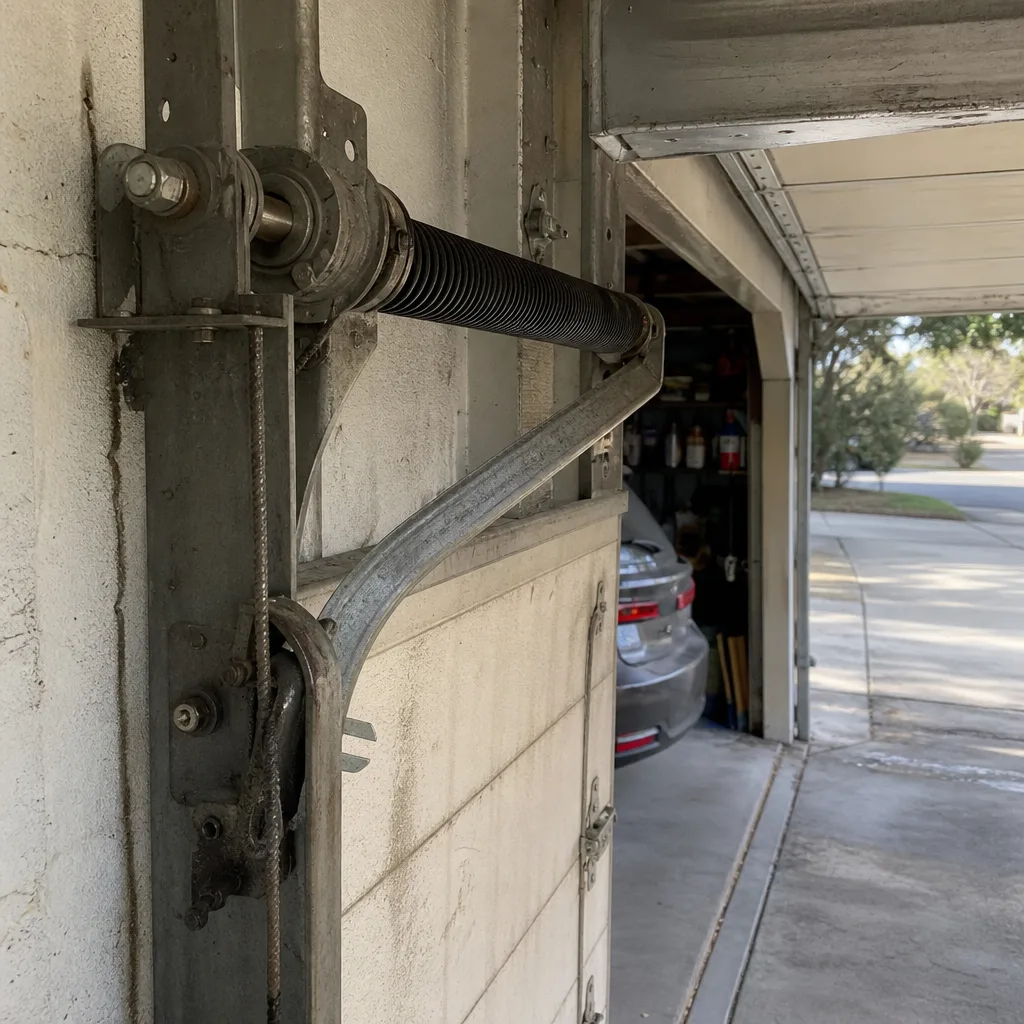 Before
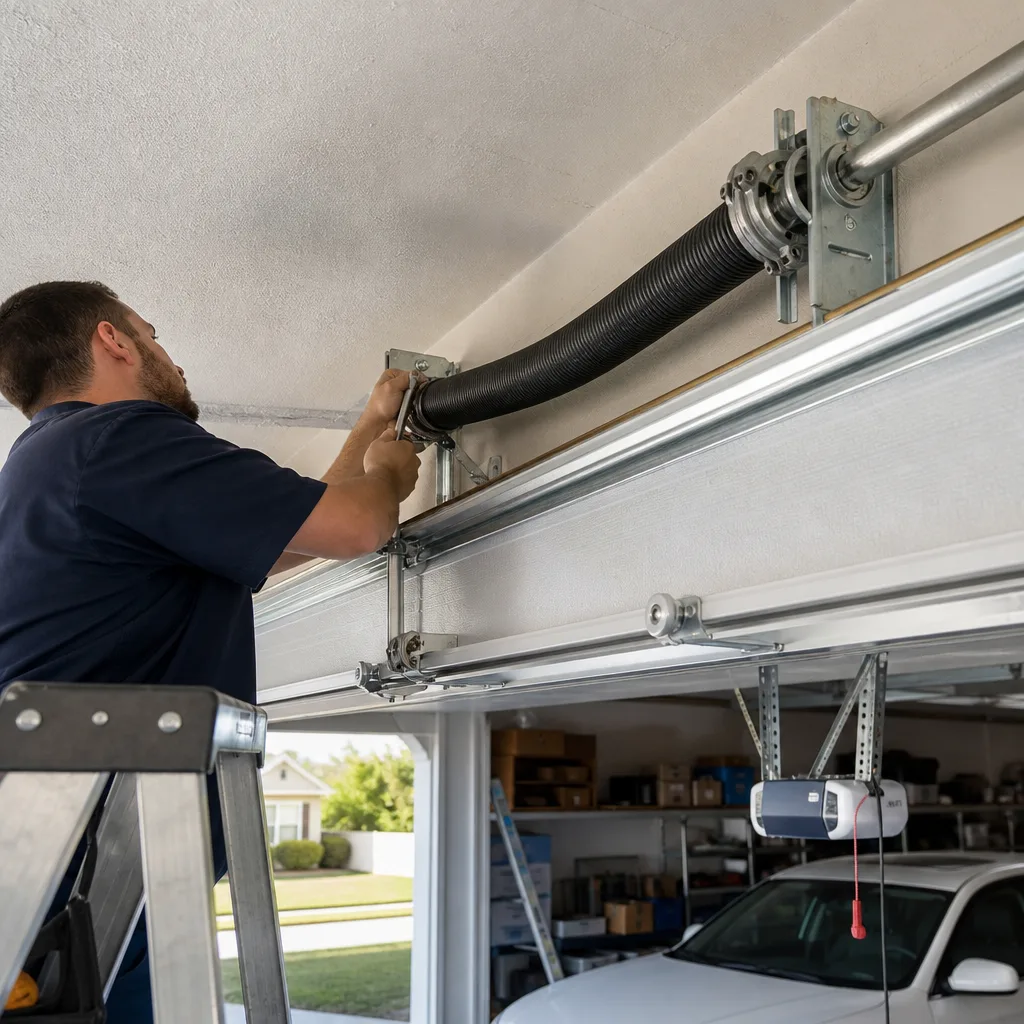 After
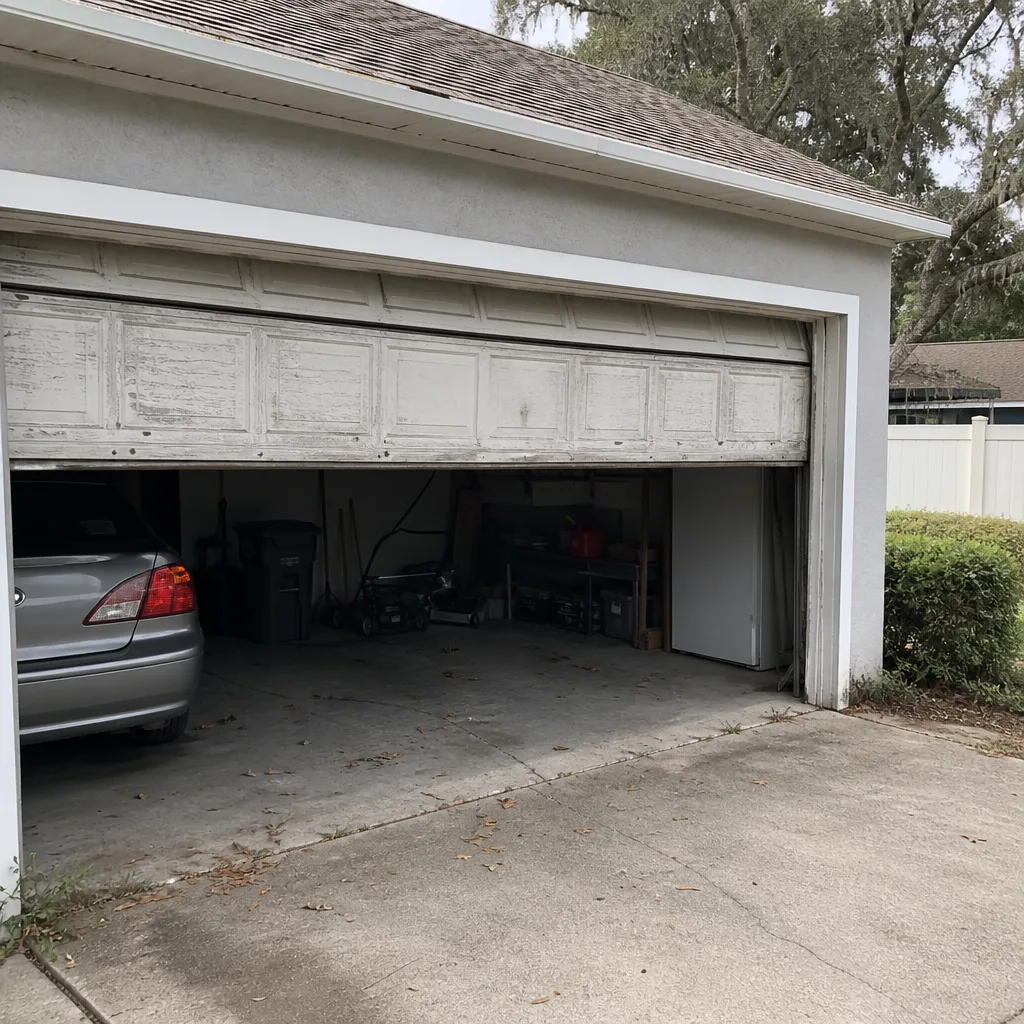 Before
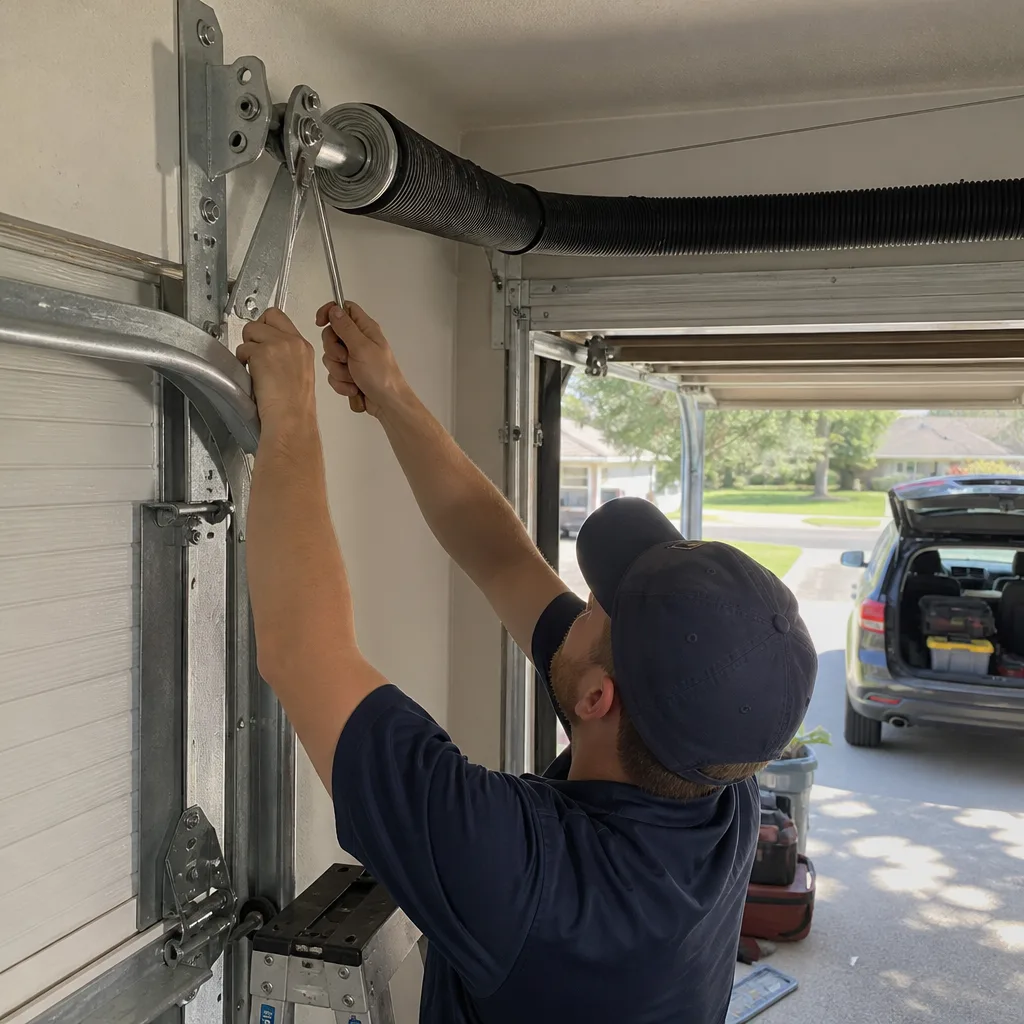 After