

Last updated October 30, 2026
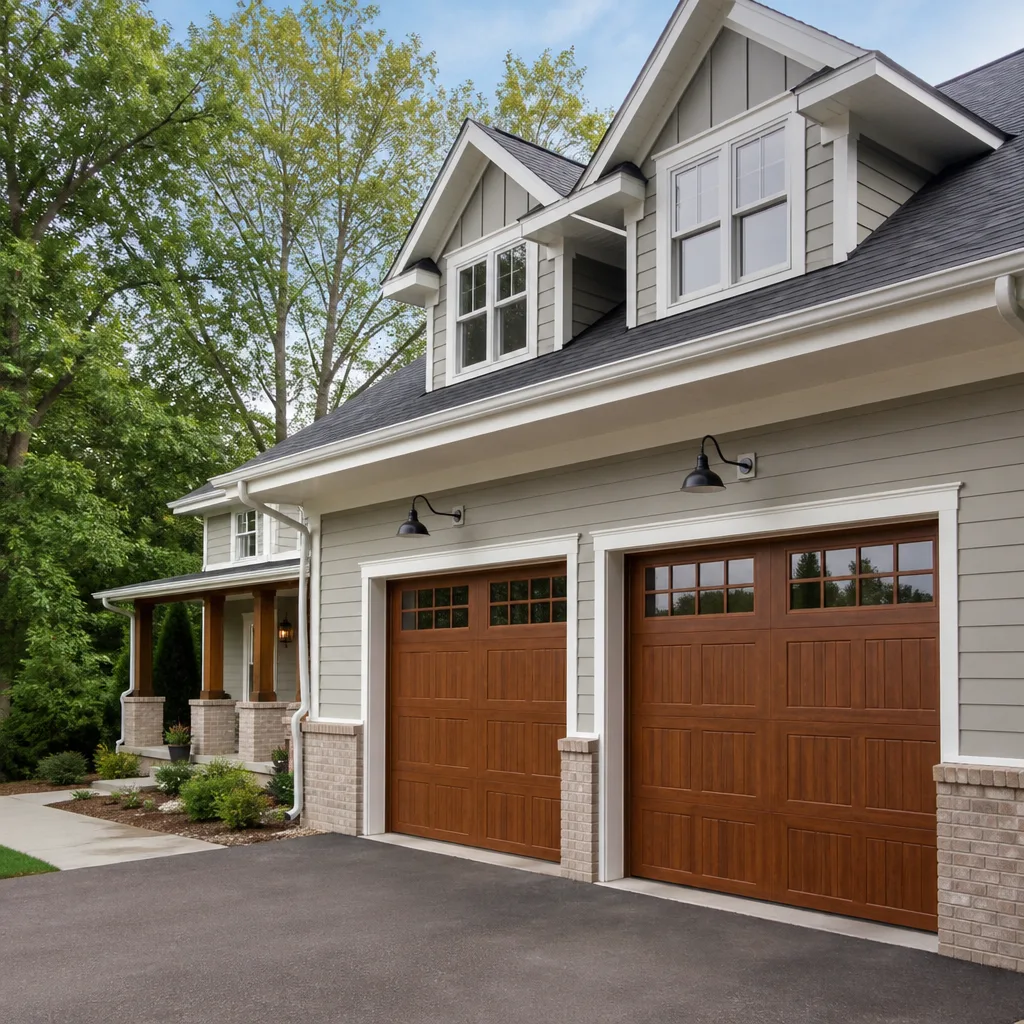
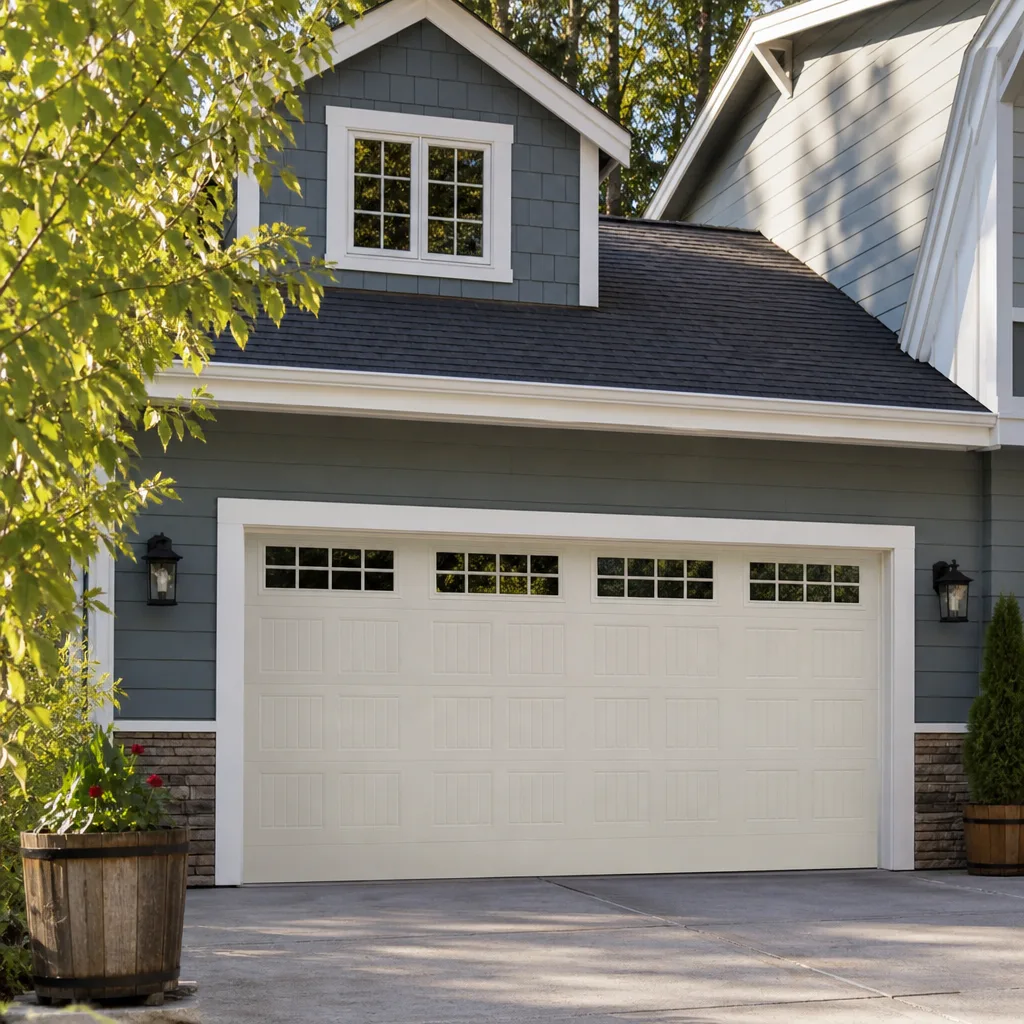
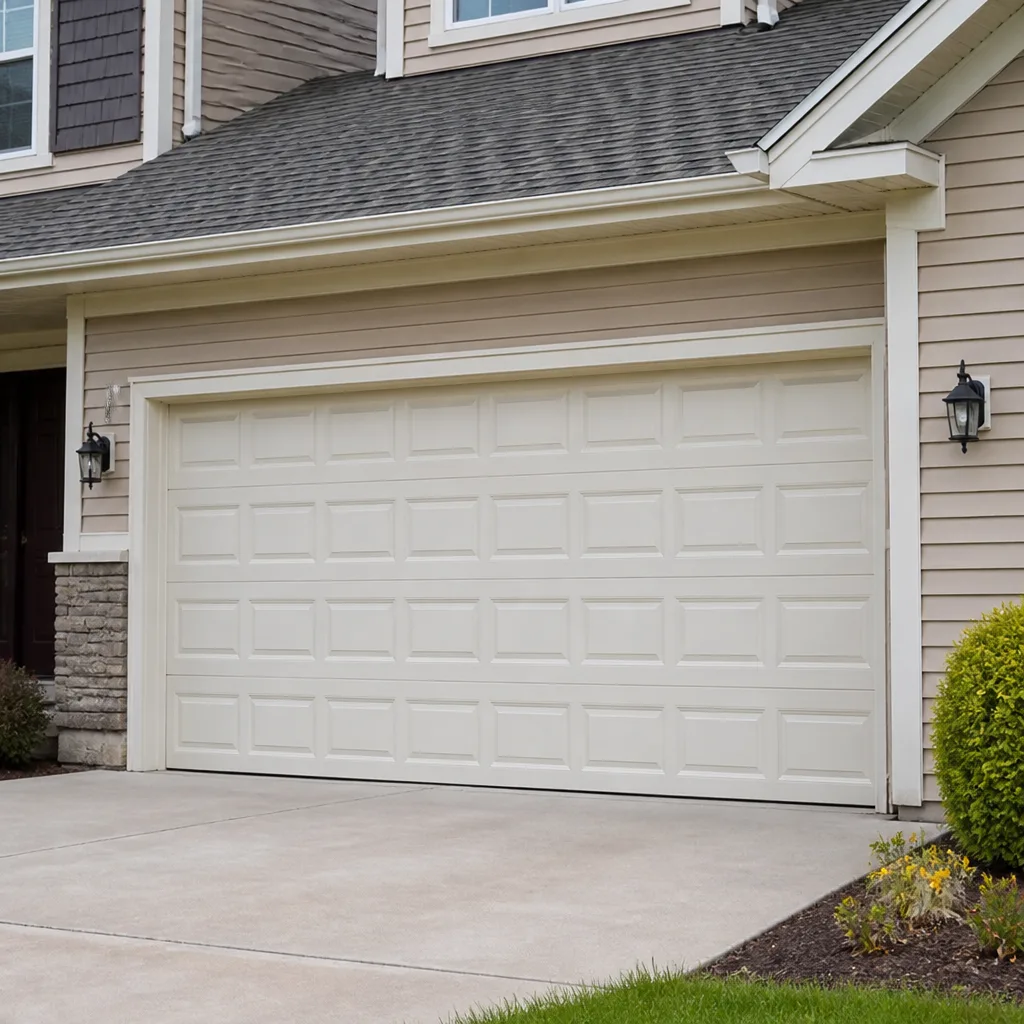 Raised-panel steel
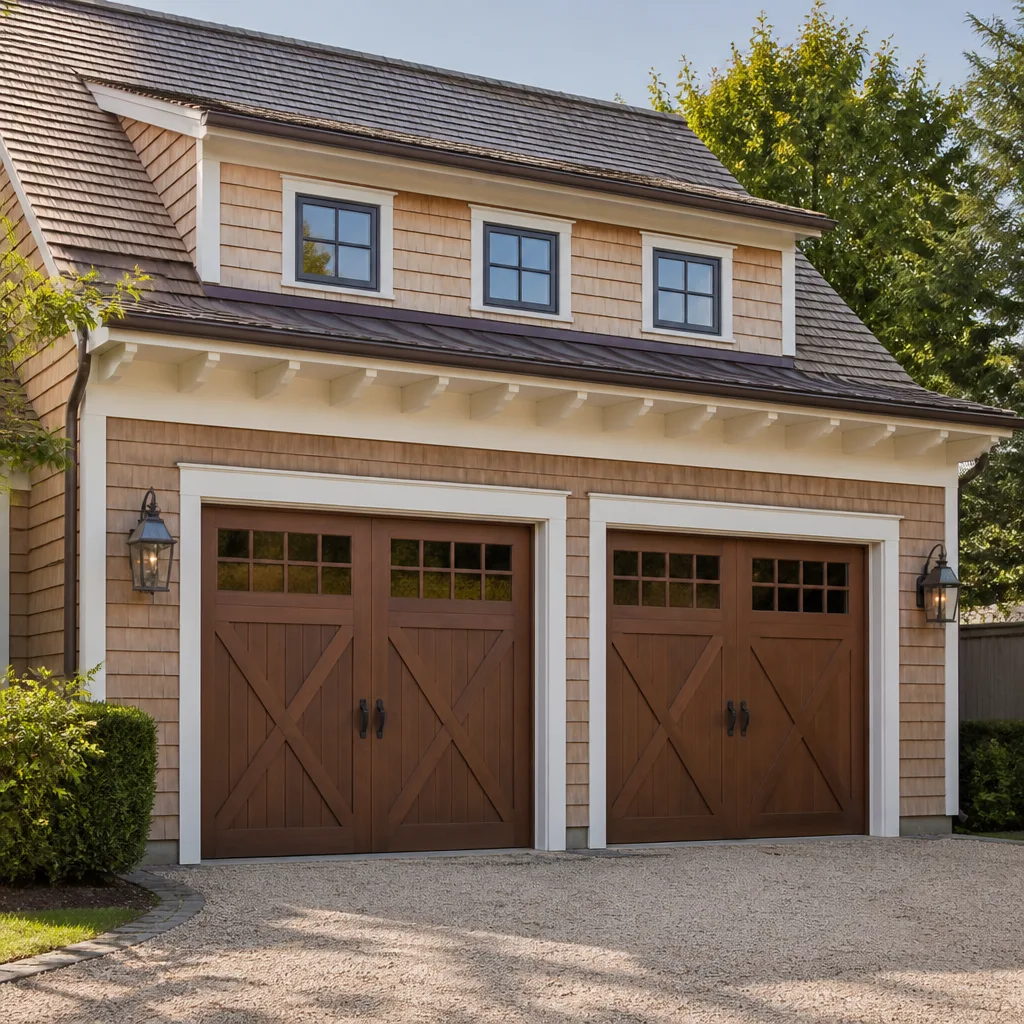 Carriage house
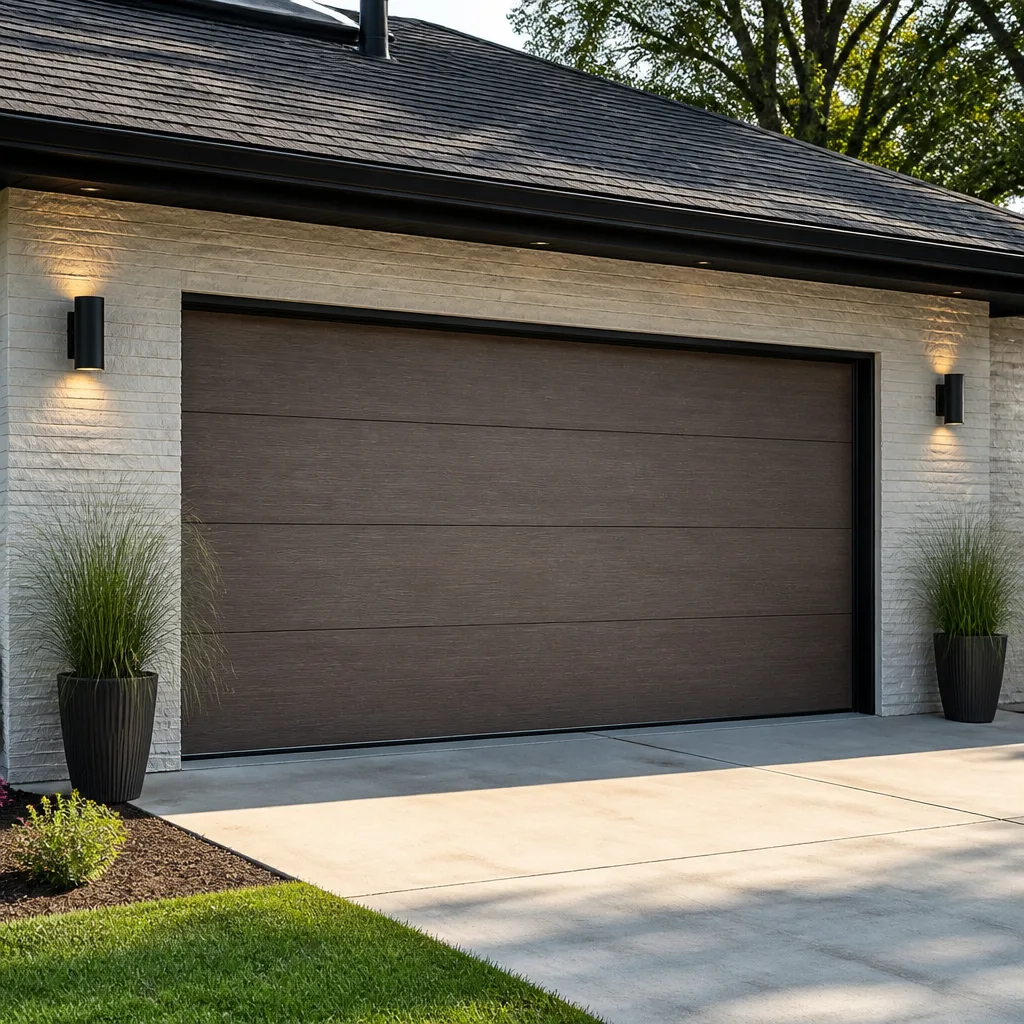 Modern flush
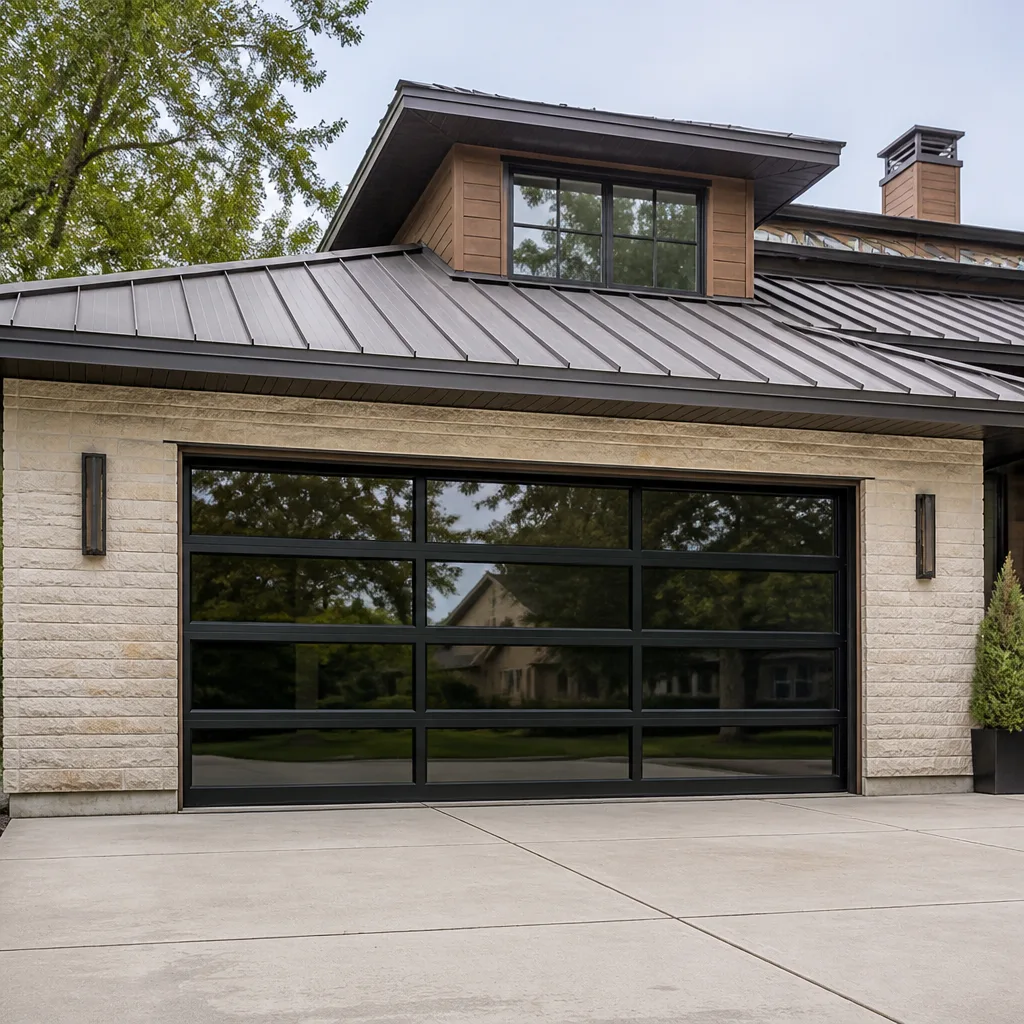 Full-view glass
 LiftMaster openers
 Chamberlain openers
Full 25-point door and opener safety check with every visit - springs, cables, rollers, tracks, and your LiftMaster or Chamberlain opener included
You get a price before we start. It does not change when the truck arrives.
Get your free estimateThe Complete Garage Door Repair Guide for Ocala Homeowners
Most garage door repair guides are written for four-season climates. Ocala doesn’t have four seasons – it has heat, humidity, and the occasional hurricane threat. Those three things alone explain why the average garage door spring in North Central Florida fails 18 to 24 months earlier than manufacturer estimates. This guide is different. We’ve built it around the conditions your door actually faces in Marion County, from the salt-tinged air after storm fronts to the fine sandy grit that works its way into roller tracks. You’ll learn which repairs are safe to handle yourself, which ones genuinely aren’t, and how to schedule maintenance so your door fails on your terms, not at 7:00 a.m. on a workday.
Styles & brands we work with
Quick Answer
Our Garage Door Repair services in Ocala typically cost between $125 and $450 depending on whether you’re facing a broken spring, snapped cable, or misaligned track. Most repairs take under two hours, and the majority of failures that strand cars inside garages are traceable to one of three components: springs, cables, or opener drive systems. The single most important thing you can do as a Ocala homeowner is lubricate your springs and rollers twice a year – the humidity here eats metal faster than most national guides assume.
Table of Contents
- Why Ocala’s Climate Wrecks Garage Doors Faster Than You’d Expect
- How to Read Your Spring System (Before It Fails)
- DIY-Safe Repairs vs. Work That Belongs to a Specialist
- A Seasonal Maintenance Schedule Built for Ocala Weather
- Garage Door Opener Troubleshooting: What Breaks and Why
- When Replacement Beats Repair: Reading the Signs on Your Door
- Permits, HOAs, and Marion County Replacement Rules
- Common Mistakes to Avoid
- When to Call a Professional
- Frequently Asked Questions
- The Bottom Line
Why Ocala’s Climate Wrecks Garage Doors Faster Than You’d Expect
Ocala sits in a humidity band that hovers between 70 and 90 percent for most of the year. That moisture penetrates the micro-thin zinc coating on torsion springs and starts pitting the steel underneath. Once pitting begins, the spring becomes a ticking clock. We’ve pulled springs out of homes in the Historic District that looked like they’d been sitting in salt water, when in reality they’d simply been exposed to two or three years of Florida air without proper lubrication.
The second factor is heat cycling. Your garage door is a large metal surface that expands and contracts daily. In Ocala, afternoon temperatures routinely climb past 90 degrees from May through September, then drop into the 70s overnight. That’s a 20-degree swing every single day. Over time, this cycling loosens fasteners, creates micro-fractures in hinge plates, and accelerates wear at every metal-on-metal contact point.
The third factor nobody talks about in national guides is sand. If you live near the horse farms west of I-75 or off any unpaved road in the county’s rural stretches, fine grit gets into your roller tracks. That grit acts like sandpaper on nylon rollers, and it packs into the bearing races at the ends of your torsion tube. The result is a door that gets progressively harder to open, which puts extra load on the opener motor and the springs. A door that strains to open is a door that’s already failing.
The short version: your door’s components age faster here than they would in Ohio or Michigan. A spring rated for 10,000 cycles in a temperate climate might only deliver 6,000 to 7,000 in Ocala’s humidity. Your maintenance schedule should reflect that reality.
How to Read Your Spring System (Before It Fails)
Most garage doors in Ocala use one of two spring configurations: torsion springs mounted on a shaft above the door opening, or extension springs running along the horizontal tracks on either side. Torsion springs are more common in newer homes and hold the energy of the door’s weight in a wound coil. Extension springs are simpler but more likely to snap without warning.
Here’s the part that saves you from a 6:00 a.m. breakdown. Springs almost always announce their death before they break. Look at your torsion springs right now. If you see rust speckling, especially near the center or at the winding cone, that spring is already compromised. If you see gaps appearing in the coil itself, that spring is actively separating and will snap within weeks, not months. If you hear a loud bang in the middle of the night and your door won’t open in the morning, that was the spring letting go – and it’s one of the most common calls we get in Ocala neighborhoods like Fore Ranch and Heath Brook.
Another tell: a door that opens halfway and stops, or opens unevenly with one side higher than the other. That’s not an opener problem. That’s a spring that has lost tension on one side. Continuing to operate the door in that condition bends the tracks and destroys the opener’s gear drive over time.
Our approach follows a diagnostic sequence every time. We inspect the spring for rust and pitting. We check the spring’s cycle rating against the age of the door to estimate remaining life. We test the door’s balance by disconnecting the opener and lifting manually. A properly balanced door holds position at mid-height. A door that slams down or shoots up has a spring tension problem. Every one of these steps takes a trained eye, which is why we recommend calling for a spring check if your door is over seven years old and you’ve never had the springs inspected.
DIY-Safe Repairs vs. Work That Belongs to a Specialist
There’s a line between maintenance and repair, and in Ocala that line is drawn by the injury risk of the component involved. Here’s a straightforward breakdown, or see DIY vs Professional Garage Door: The Ocala Homeowner’s Decision Guide for the full picture.
Repairs you can handle yourself:
- Lubrication: Spray a white lithium grease or silicone-based lubricant on your springs, hinges, and rollers twice a year. Use a rag to wipe off excess. This is the single highest-value maintenance task for Ocala homeowners.
- Photo-eye alignment: If your opener’s safety sensors get knocked out of alignment, the door won’t close. Loosen the wingnut, adjust the sensor until the indicator light turns solid, and retighten. Five minutes, no tools beyond a screwdriver.
- Track cleaning: Wipe down the interior of both vertical tracks with a dry cloth every few months, especially if you live on a dirt road. Remove debris from the bottom track sections where grit accumulates.
- Weather seal replacement: The rubber strip along the bottom of your door degrades fast in Florida sun. Replacement strips cost under $30 at most Ocala hardware stores and install with a flathead screwdriver.
Repairs that carry real risk:
High-tension torsion springs store an enormous amount of mechanical energy. When they release unexpectedly, they can and do cause serious injuries. Marion County emergency rooms see garage door spring accidents more often than most people would guess, and nearly all of them trace back to a homeowner attempting a DIY spring replacement with improvised tools. The winding cones on torsion springs require specialized winding bars, not screwdrivers or pry bars. If a bar slips out of a wound spring under tension, it becomes a projectile.
Cable replacement carries similar risk for a different reason. Your cables connect the bottom brackets of the door to the spring system, and they’re under full tension whenever the door is closed. If a cable snaps while you’re working on the other one, the door can drop suddenly. We recommend treating cables the same way you’d treat an electrical panel: know what it does, understand when it’s failing, and call someone who does this work every day when replacement is needed.
The right fix is not just a fast one. It’s the fix that doesn’t put you in an urgent care clinic. Our policy is simple: if the component is under spring tension or cable load, it’s a professional job.
A Seasonal Maintenance Schedule Built for Ocala Weather
Generic maintenance guides tell you to inspect your door twice a year, usually in spring and fall. Ocala doesn’t have a meaningful spring or fall. What we have is a wet season that runs from June through September and a dry season that runs from October through May, punctuated by the Atlantic hurricane season’s occasional reminders. Here’s a schedule that actually fits.
Late April (before the daily storms arrive):
- Lubricate springs, hinges, and rollers thoroughly. The wet season will wash away whatever you don’t apply now.
- Check the weather seal along the bottom of the door. Replace it if there are visible gaps or cracking. Once the afternoon storms start, a failed seal means water in your garage every day.
- Test your opener’s auto-reverse feature by placing a 2×4 on the ground under the door’s path. The door should reverse on contact. If it doesn’t, that’s a safety issue, not a convenience issue.
- Inspect the torsion springs for rust. If you see pitting, call for an evaluation before the spring sees another season of humidity.
Late October (after the rains ease off):
- Clean the tracks and rollers thoroughly. The wet season leaves behind fine grit and rust scale in the lower track sections.
- Check all hinge bolts and track brackets for looseness. The daily expansion and contraction of summer heat works fasteners loose.
- Run the door through three full open-close cycles while listening for grinding, squealing, or popping. Any new noise is a component talking to you.
- If your opener uses a chain drive, check the chain tension. A loose chain causes jerky operation and wears the gear sprocket prematurely.
Immediately after any named storm passes near Ocala:
Walk outside and inspect the door panels for dents or deformation before even thinking about running the opener. High winds can bow a panel subtly enough that it jams in the track under load. If the door looks fine, run one manual open-close cycle with the opener disconnected before resuming automatic operation. A door that binds under manual operation will destroy an opener’s gear drive if you force it.
Garage Door Opener Troubleshooting: What Breaks and Why
The opener is half of your garage door system, and in Ocala it fails for reasons that have very little to do with the opener itself. A door with weak springs forces the opener to work harder on every cycle. Heat from an uninsulated garage ceiling bakes the opener’s circuit board and dries out the grease in its gear housing. Power surges from afternoon lightning storms take out control boards entirely.
Here are the most common opener failures we see in Ocala homes, from the door opener to the panel.
- Gear drive failure: The plastic gear inside the opener’s motor unit wears down over time, especially when the door is heavy or unbalanced. The symptom is a loud grinding noise from the motor head with no door movement. This is a repair job, not a replacement scenario.
- Capacitor failure: The capacitor provides the initial voltage surge to start the motor. In Ocala’s heat, capacitors degrade faster. The symptom is a humming motor that won’t start, or a door that starts and stops immediately.
- Control board failure: Lightning strikes within half a mile of your home can induce voltage spikes that fry opener circuit boards. The symptom is a completely dead opener with no response from the wall button or remote. Surge protection on your garage circuit helps, but nothing fully prevents it.
- Photo-eye alignment drift: The safety sensors at the bottom of your door tracks shift over time, especially if they get bumped by bikes, lawn equipment, or your car’s tires. The symptom is a door that closes partially, then reverses to open.
- Remote and keypad programming loss: After power outages, some openers lose their stored codes. Reprogramming involves holding the learn button on the motor unit and pressing the remote button within 30 seconds. Every brand handles this slightly differently, which is why we carry the specific programming sequences for LiftMaster, Chamberlain, Genie, and Craftsman systems.
One thing worth knowing: opener problems are often spring problems in disguise. Before we open up any opener, we check the door’s manual balance first. An opener that struggles against a weak spring will burn through gear drives every two or three years. Replacing the opener without fixing the spring just sets up the next failure. We know the system from both ends, and that’s what prevents repeat visits.
For a deeper walkthrough of opener-specific issues, our Garage Door Opener Repair in Ocala page covers each brand in detail.
When Replacement Beats Repair: Reading the Signs on Your Door
Repairing a garage door isn’t always the right financial decision. Sometimes the door itself has reached the end of its useful life, and continued repairs become a losing game. Here’s how to tell the difference.
Age of the door matters more than age of the opener. A sectional steel door in Ocala’s climate typically lasts 15 to 20 years before rust, panel fatigue, and hinge wear compound into a door that’s no longer worth maintaining. If your door is original to a home built in the early 2000s, it’s already in the replacement conversation. The panels on older doors lose their factory paint protection, and once bare steel is exposed to Florida humidity, the rust spreads underneath the surface coating where you can’t see it until the panel starts flaking.
Repair frequency is the clearest signal. If you’ve had two or more spring replacements in the past five years, you’re not fixing an anomaly – you’re maintaining a failing system. Each new spring on an old door works harder because the door itself has gotten heavier. Rust in the panel interiors, waterlogged insulation, and accumulated grime all add weight that the springs must counter. A third spring replacement is often the point where a new door starts making better financial sense.
Panel damage from Ocala’s weather events changes the equation. A door that took a hit from hurricane-force gusts may look fine from a distance but have subtle structural damage. If the door binds in specific spots when opening or closing, the panel is likely deformed. Individual panel replacement is possible on some door models, but matching the exact panel style and color on a door that’s more than a decade old is hit or miss. Many homeowners opt for a full replacement rather than live with a mismatched panel.
When we handle a Garage Door Installation in Ocala, we treat the door and opener as one integrated system. A new door with high-cycle springs paired to an old opener just shifts the failure point downstream. We cover the full arc: door selection, spring sizing, track installation, opener compatibility, and final balancing.
Permits, HOAs, and Marion County Replacement Rules
If you’re replacing a garage door in Ocala, the rules depend on where you live. The city of Ocala issues permits for structural modifications, but a direct garage door replacement where the opening size doesn’t change is generally classified as a maintenance item, not new construction. That said, if you’re widening the opening, changing the door from a single to a double, or modifying the header above the door, you’re in permit territory.
Homeowners associations add another layer. Communities like Fore Ranch, Heath Brook, and the gated developments along State Road 200 often have architectural review committees that require approval before any exterior modification, including garage door replacement. The specific restrictions vary: some HOAs dictate door material and color palette, others restrict window patterns, and a few require that all doors in the community match a specific manufacturer. If you live in an HOA community, check your covenants before ordering a door. The door supplier can’t help you after it’s installed and the violation notice arrives.
One more consideration unique to Florida: wind load ratings. Doors installed in Ocala must meet the wind load requirements for the region’s hurricane zone. A door that’s rated for inland Florida may not be appropriate for homes closer to the coast, and vice versa. Most major manufacturers, including Clopay, Amarr, Wayne Dalton, and Raynor, produce doors with the necessary wind load certifications. A specialist can verify the rating matches your specific address before the door is ordered.
For a full walkthrough of the Garage Door Repair in Ocala process including what we check on a standard service call, that page details our step-by-step approach.
Common Mistakes to Avoid
- Ignoring rust on the springs. Rust isn’t cosmetic on a torsion spring. It’s the beginning of a stress fracture. Ocala’s humidity means rust appears faster than in drier climates, and once pitting starts, the spring’s failure is a matter of time. A $15 tube of lubricant applied twice a year is vastly cheaper than an emergency spring replacement.
- Replacing the opener when the springs are the problem. An opener that grinds, stalls, or struggles isn’t necessarily broken. It might be fighting a door that’s too heavy because the springs have lost tension. Replacing the opener without addressing the springs guarantees another failure within a few years.
- Using the wrong lubricant. WD-40 is a penetrating oil, not a lubricant. It strips away protective grease and leaves metal more vulnerable to rust. Use white lithium grease or a silicone spray designed for garage door components. This mistake shortens spring life significantly in humid climates like Ocala’s.
- Attempting spring replacement without winding bars. This one sends people to the emergency room. Torsion springs hold dangerous tension, and improvised tools slip. Winding bars are hardened steel rods designed specifically for this job. If you don’t own them, you don’t do the job.
- Forgetting the auto-reverse check. The auto-reverse mechanism on your opener is a safety device, not a convenience feature. In homes with children or pets, a door that doesn’t reverse on obstruction is a serious hazard. Test it monthly. It takes 30 seconds.
- Deferring a weather seal replacement. Once the bottom seal cracks, Ocala’s summer rains funnel water directly into your garage. Water damage to stored items, mold growth on drywall, and rust on tools are all downstream consequences of a $30 part that takes 10 minutes to replace.
- Mixing and matching parts across brands. A Clopay door panel doesn’t interchange with an Amarr panel, and a LiftMaster opener gear doesn’t fit a Genie motor. We regularly see doors where a previous repair used mismatched hardware in a pinch, creating new problems downstream. Brand-specific replacement parts matter.
When to Call a Professional
Call a specialist when the component is under tension, when the diagnosis is unclear, or when the repair requires specialized tools you don’t own. Specifically: broken torsion springs, snapped cables, bent or misaligned tracks, dented panels from storm damage, and any opener issue involving the motor, gear drive, or control board. These are not apprentice-level repairs. The cost of a professional service call in Ocala runs between $75 and $125 for the diagnostic visit, and most repairs land between $125 and $450 all-in, with the exact price quoted and agreed before any work begins. Key Step Garage Door Repair offers free estimates in Ocala – call (855) 795-2118.
Frequently Asked Questions
A spring replacement in Ocala typically runs between $180 and $340 for a standard torsion spring replacement, including the parts and labor. The exact cost depends on your spring’s wire gauge, inside diameter, and length, which determine its cycle rating. Some homeowners opt for high-cycle springs rated for 25,000 to 30,000 cycles, which cost more upfront but last significantly longer in Florida’s humid climate. We quote the full price before any work starts, so there are no surprises on the invoice. Call (855) 795-2118 for an exact quote on your specific door.
For broken springs and snapped cables, same-day service is available across the Ocala area. We carry a range of spring sizes and cable lengths on the truck, so many repairs are completed on the first visit. The fastest way to check availability is to call (855) 795-2118 and describe what happened. We’ll tell you over the phone whether it’s something we can knock out immediately or whether it needs a scheduled visit.
No. We quote the repair price based on the diagnosis before we start, and that’s the number you pay. If an additional issue is discovered during the repair that changes the scope, we stop and discuss the new cost with you before proceeding. There is no scenario where you get an invoice larger than the number we agreed to. Call (855) 795-2118 and we’ll walk through the quote over the phone.
Yes, we stock the most common torsion spring sizes, extension springs, cables, hinges, rollers, and opener parts for the brands we service, including LiftMaster, Chamberlain, Genie, and Raynor. Having parts on hand means most repairs in Ocala are completed in a single visit rather than requiring a follow-up appointment. If your door needs a part we don’t carry, we’ll tell you upfront and schedule the follow-up immediately.
Standard springs last about 7 to 10 years in Ocala’s climate, which is shorter than the 10 to 12 years national guides typically cite. The humidity accelerates corrosion, and corrosion is the primary killer of springs in Florida. If your springs are over seven years old, an annual inspection is a wise investment. A trained eye can spot pitting and coil separation before the spring snaps and strands your car in the garage.
Both springs wear at the same rate, so replacing one while leaving the other in place creates an unbalanced system. The new spring carries more of the load, which shortens its life, and the old spring remains a failure risk. We recommend replacing both torsion springs at the same time from the opener to the panel. It costs more in the moment, but it’s the right fix, not just a fast one.
The Bottom Line
Ocala’s climate punishes garage doors harder than most of the country, and the standard maintenance schedules in generic guides simply don’t fit the conditions here. Humidity corrodes springs faster. Heat cycles loosen hardware. Hurricane season adds wind load and storm debris. But a garage door that’s maintained for the actual climate it lives in can deliver 15 to 20 years of reliable service. Know your components, lubricate twice a year, test your safety features monthly, and respect the line between what’s safe to fix yourself and what belongs to a specialist. For deeper reading, check out The Complete Guide to Garage Door in Ocala. The smarter you are about your door, the fewer surprises it throws at you.
If your garage door is making noises it shouldn’t, moving unevenly, or refusing to open, don’t wait for the full failure. Key Step Garage Door Repair offers free estimates in Ocala and the surrounding communities. We’ll diagnose the issue, quote the price before any work starts, and get your door back in motion. Call (855) 795-2118.
Written by the team at Key Step Garage Door Repair, serving Ocala since 2013. Browse more guides & resources on keeping your door running smoothly.
See the difference
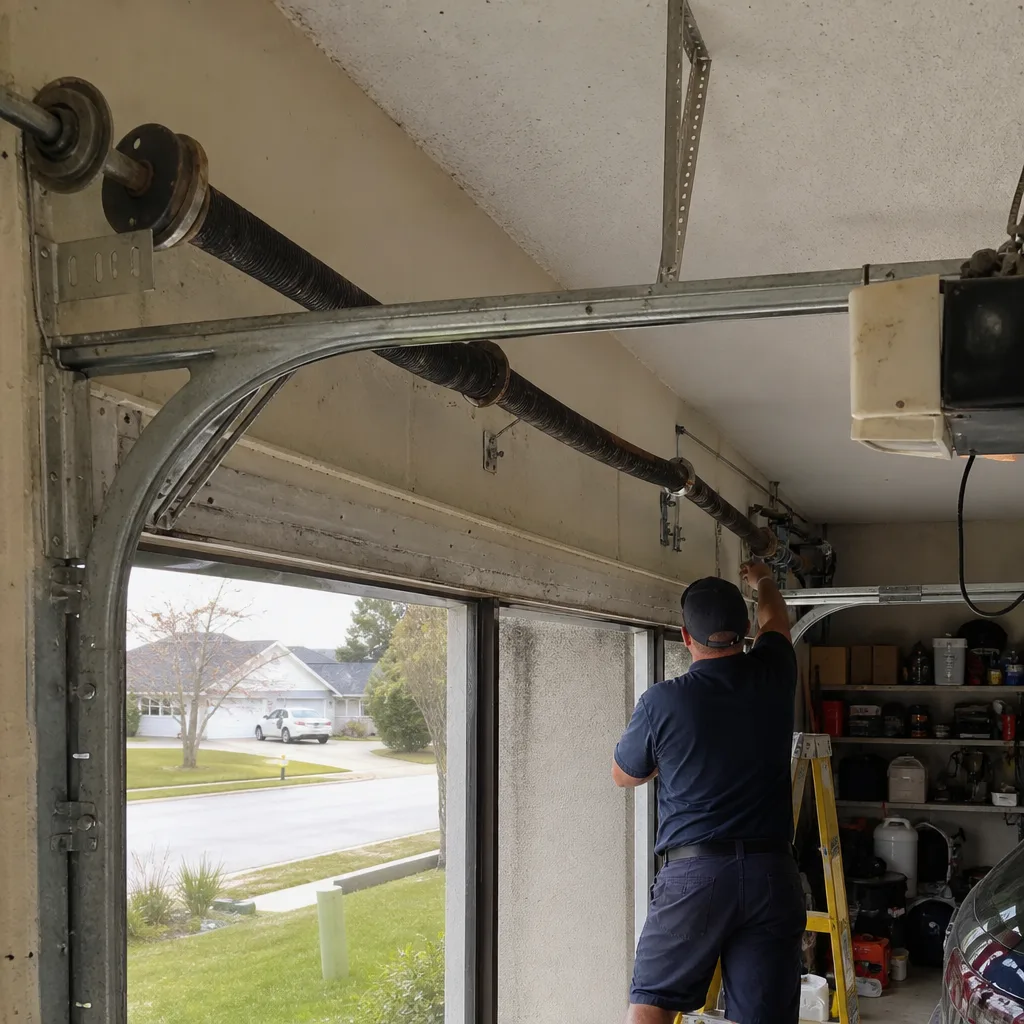 Before
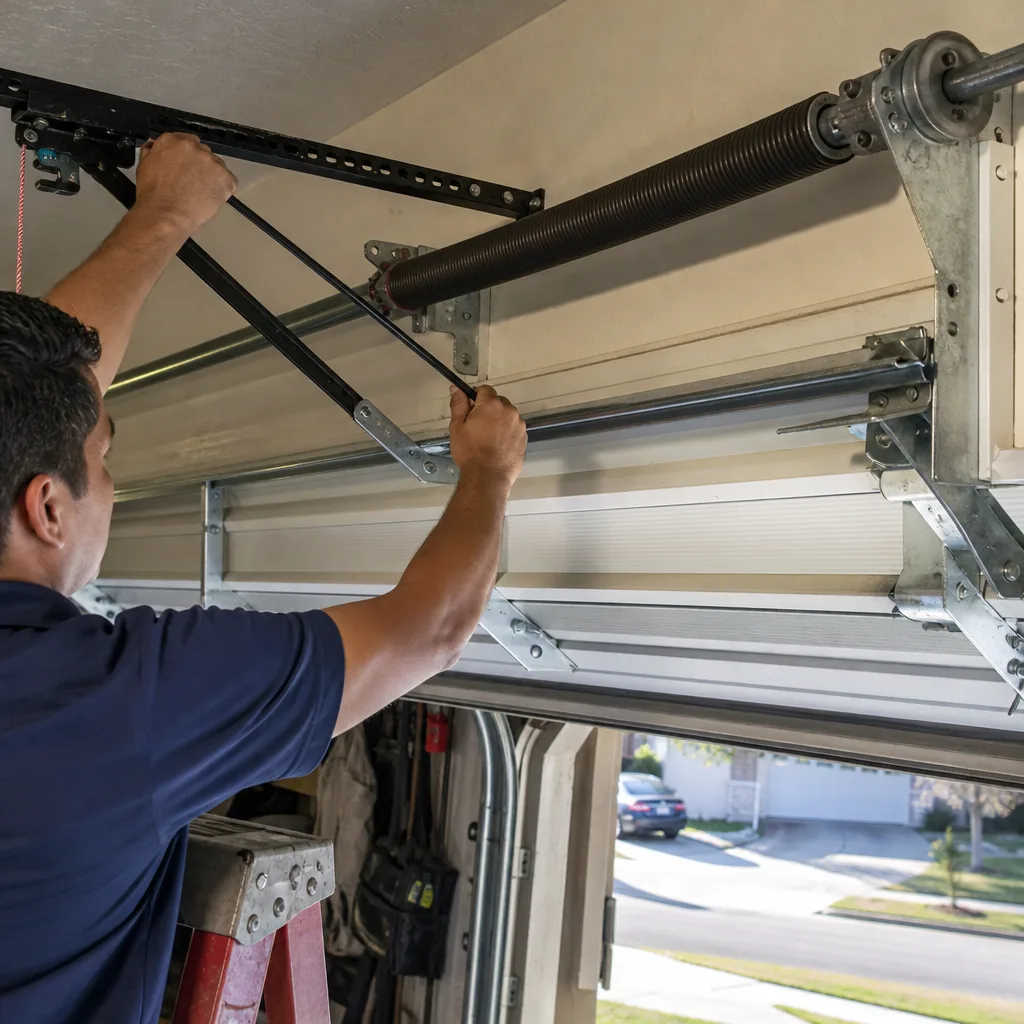 After
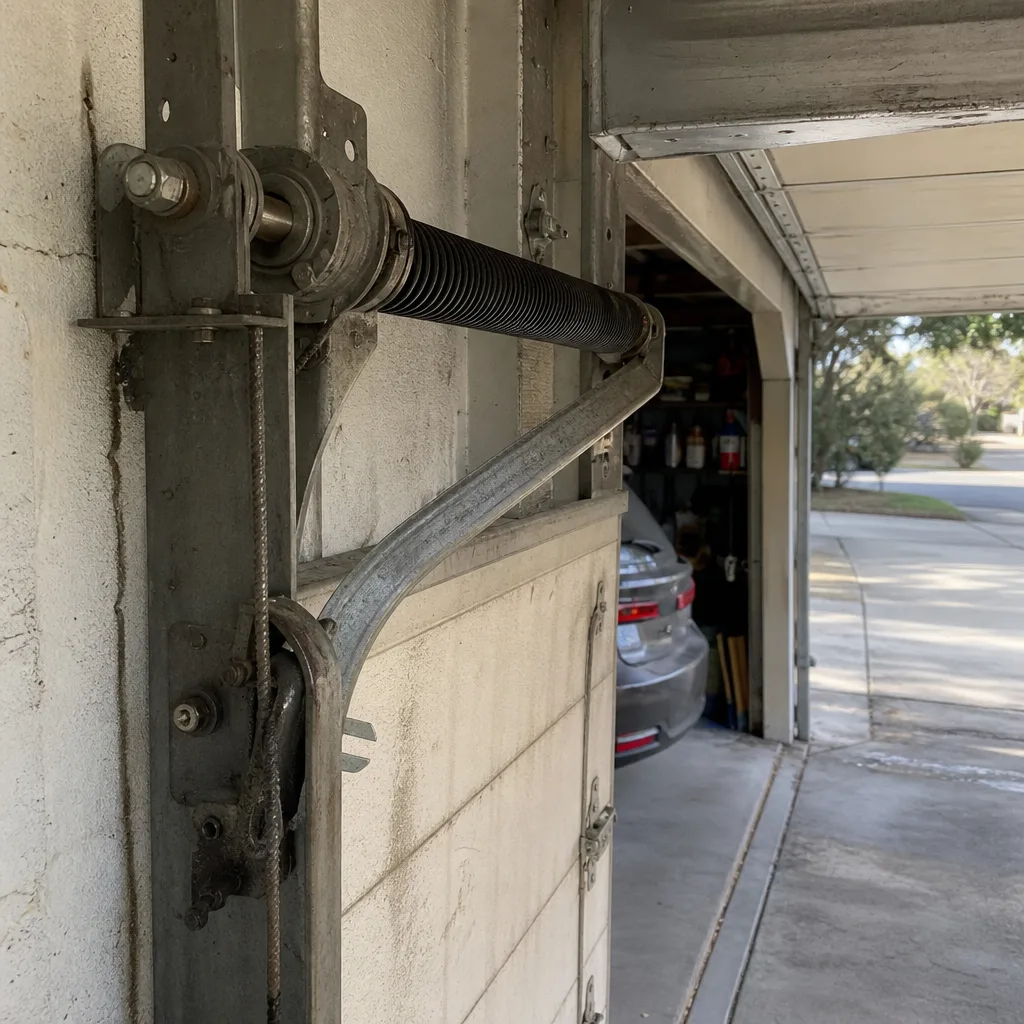 Before
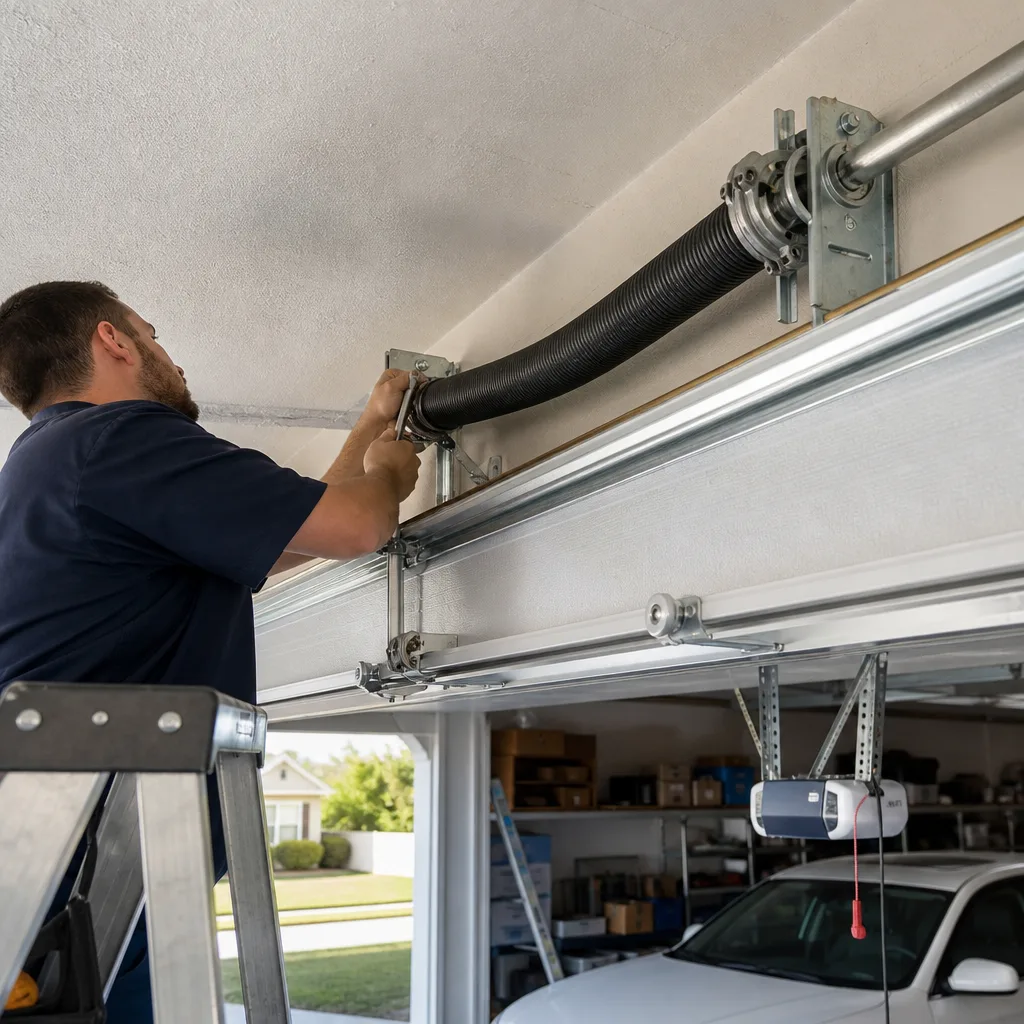 After
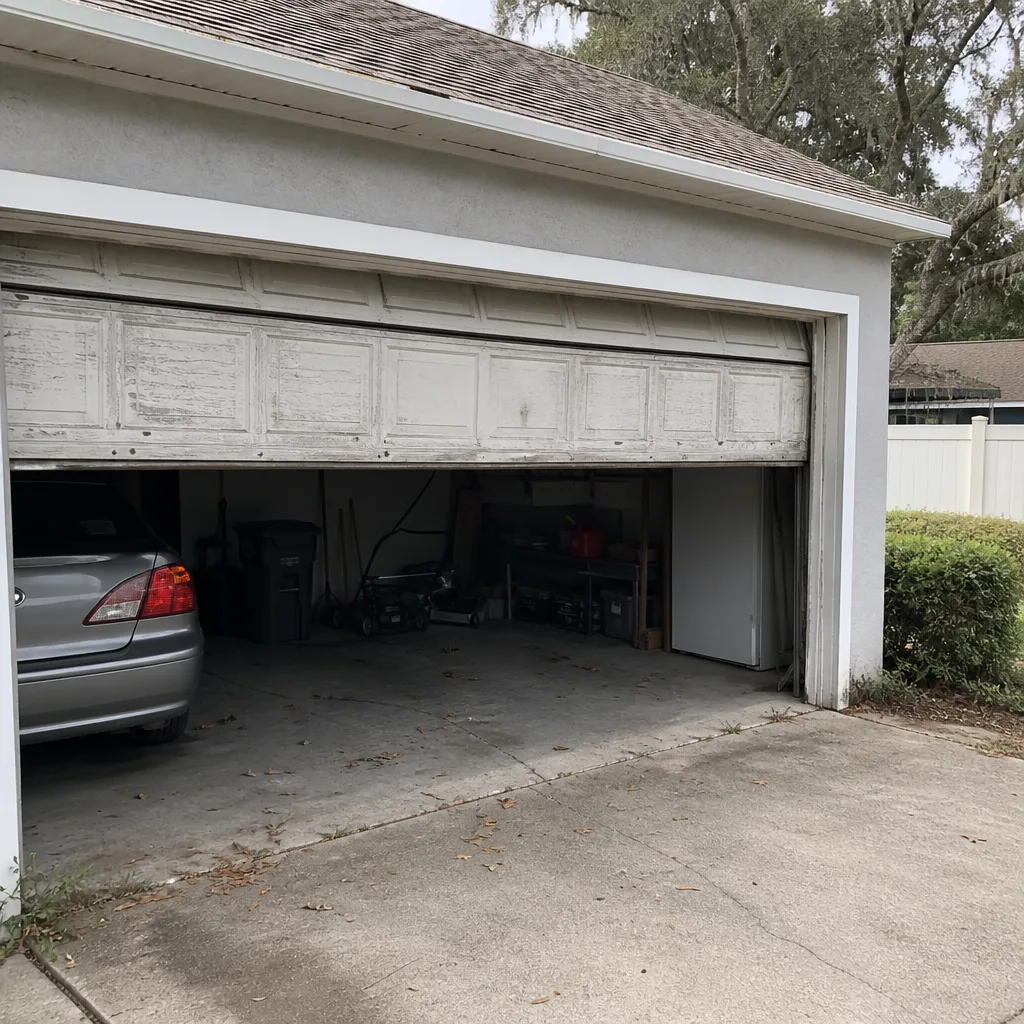 Before
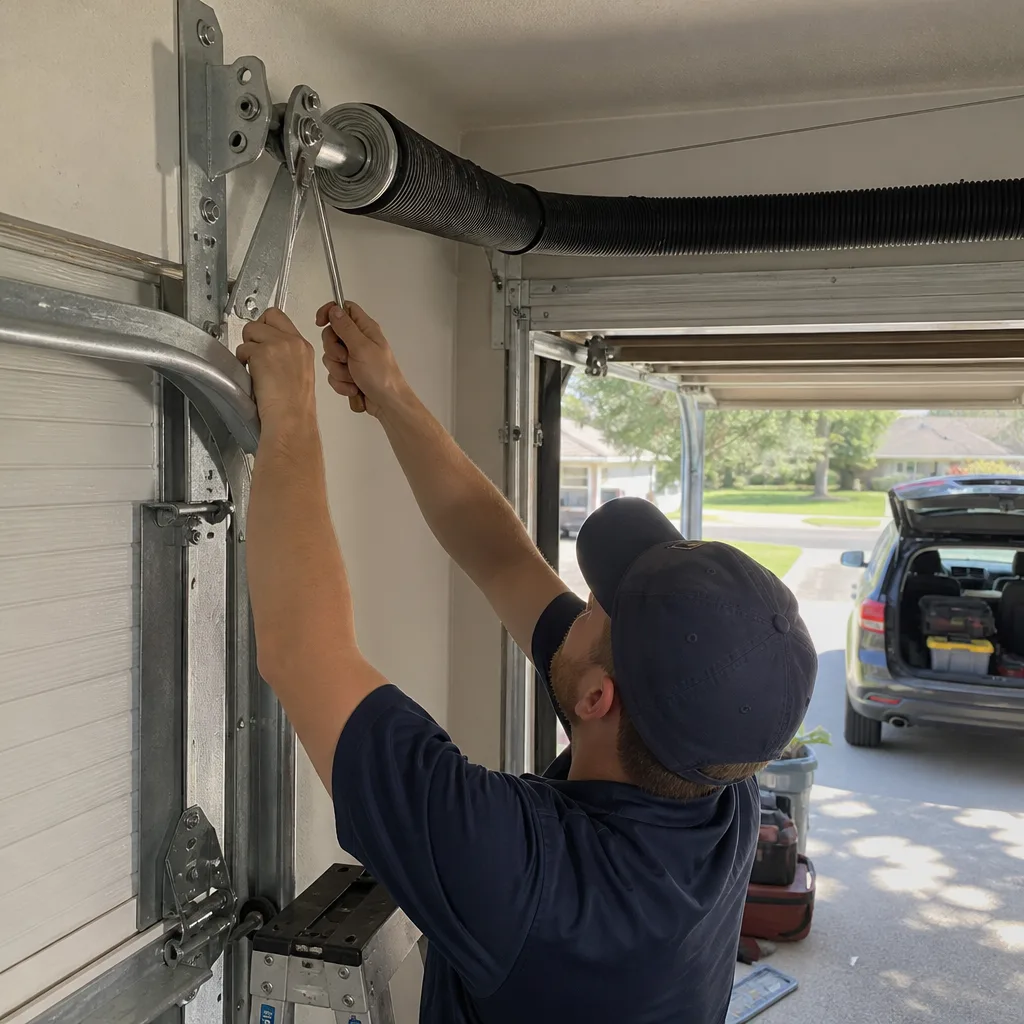 After