

Last updated October 30, 2026
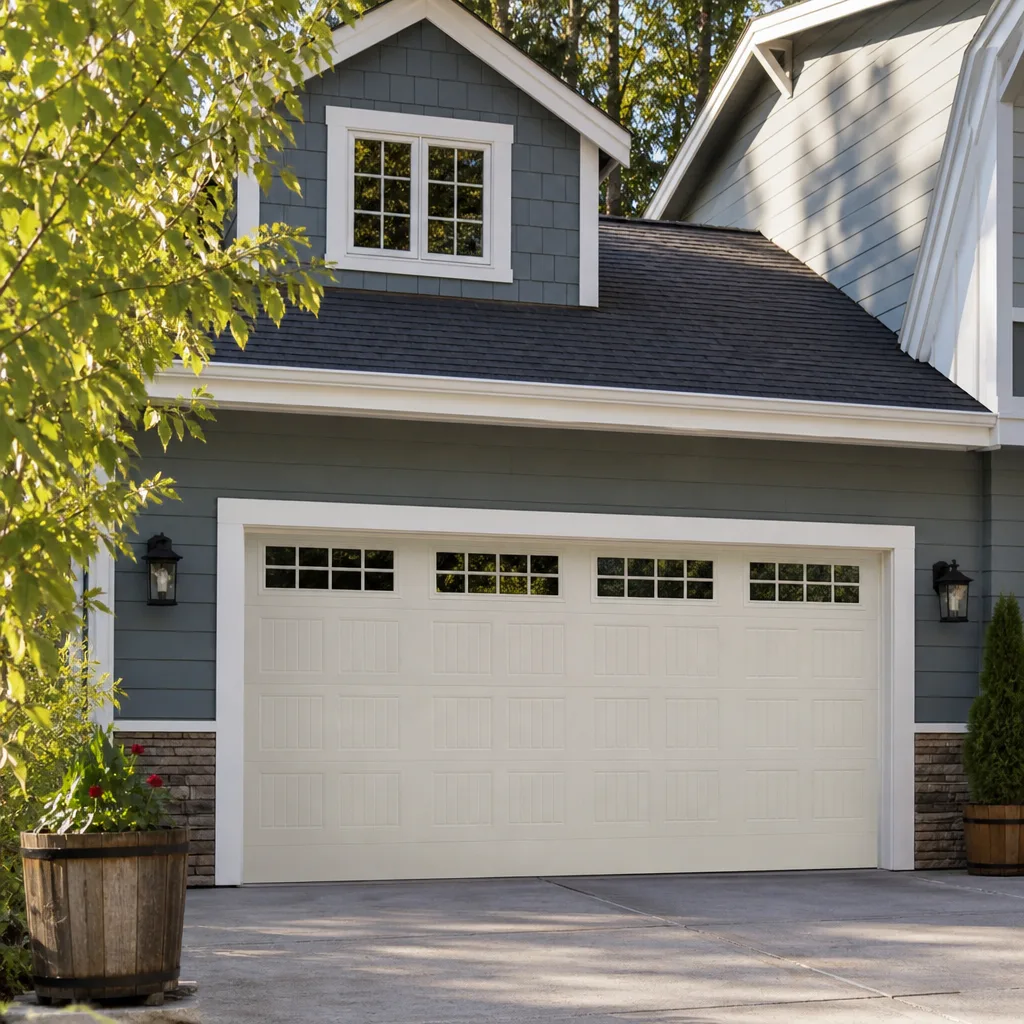
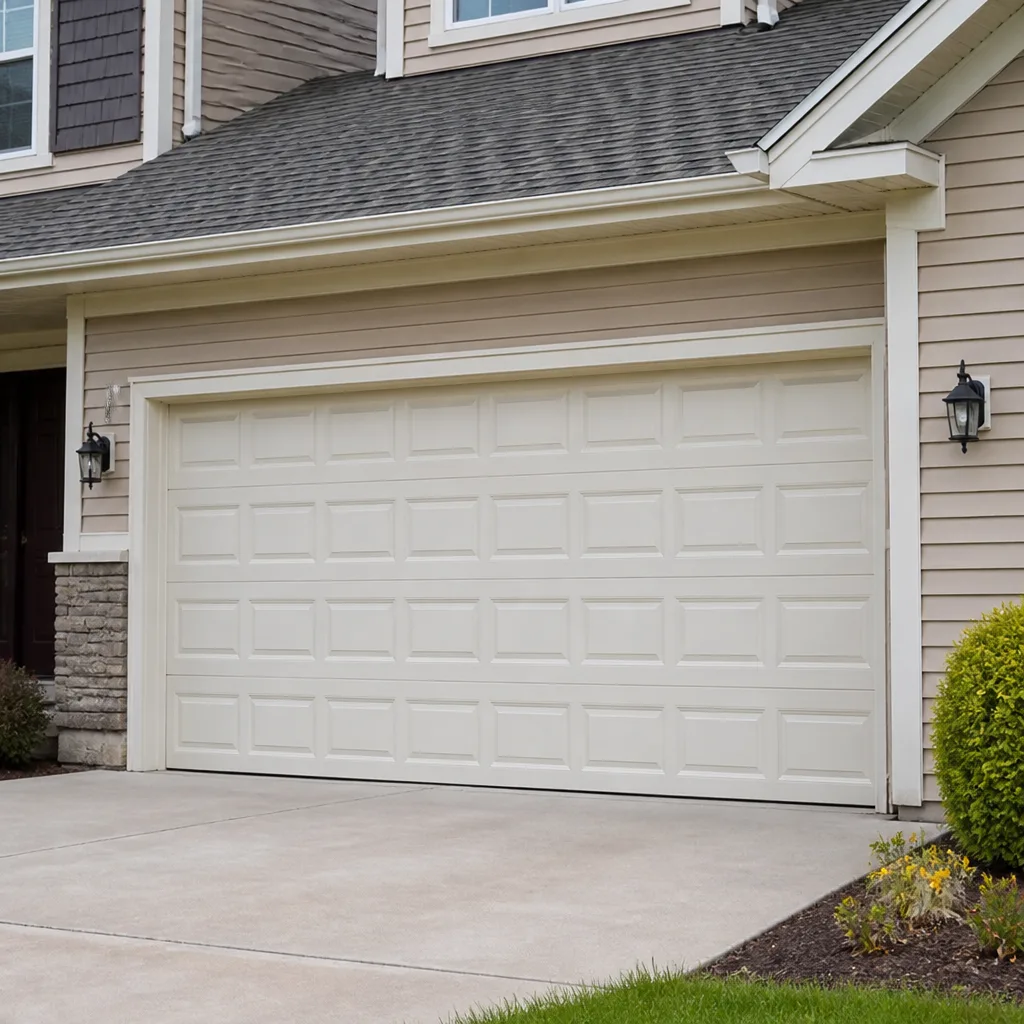 Raised-panel steel
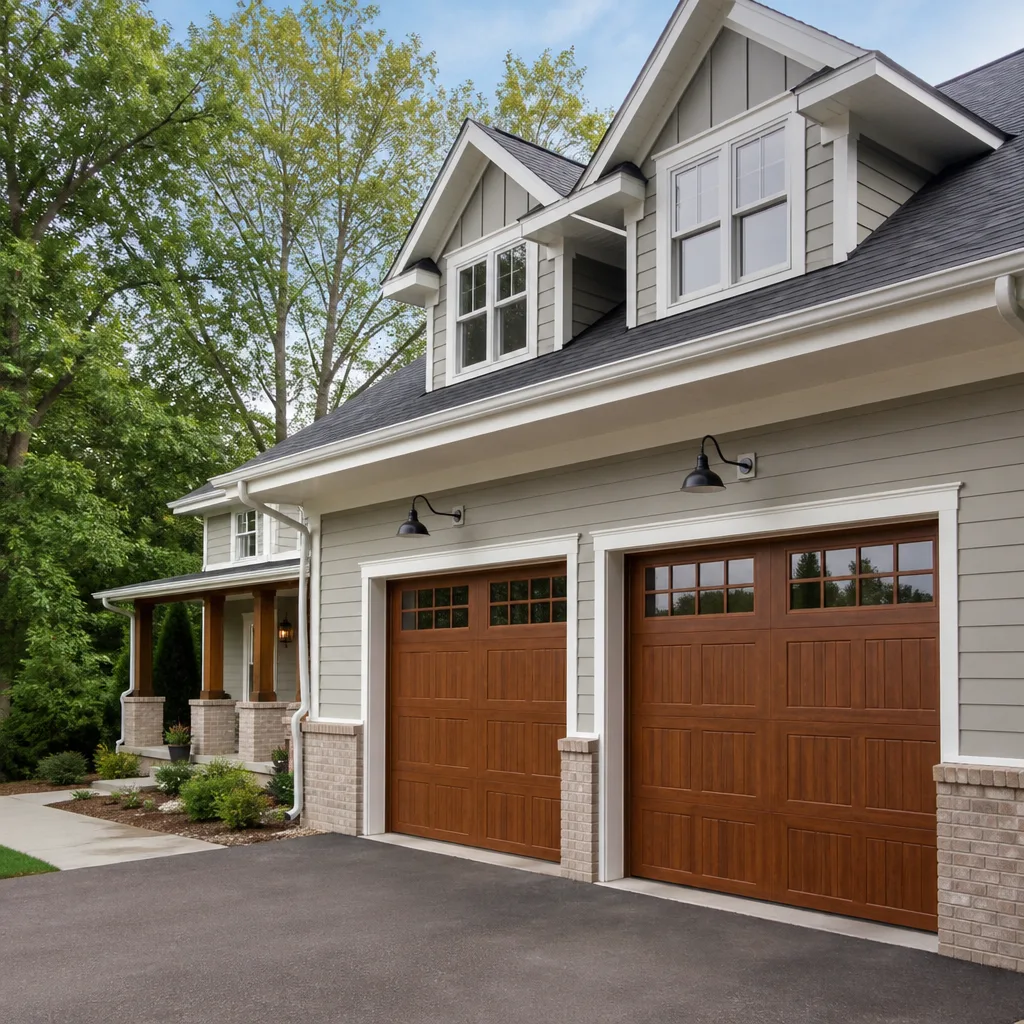
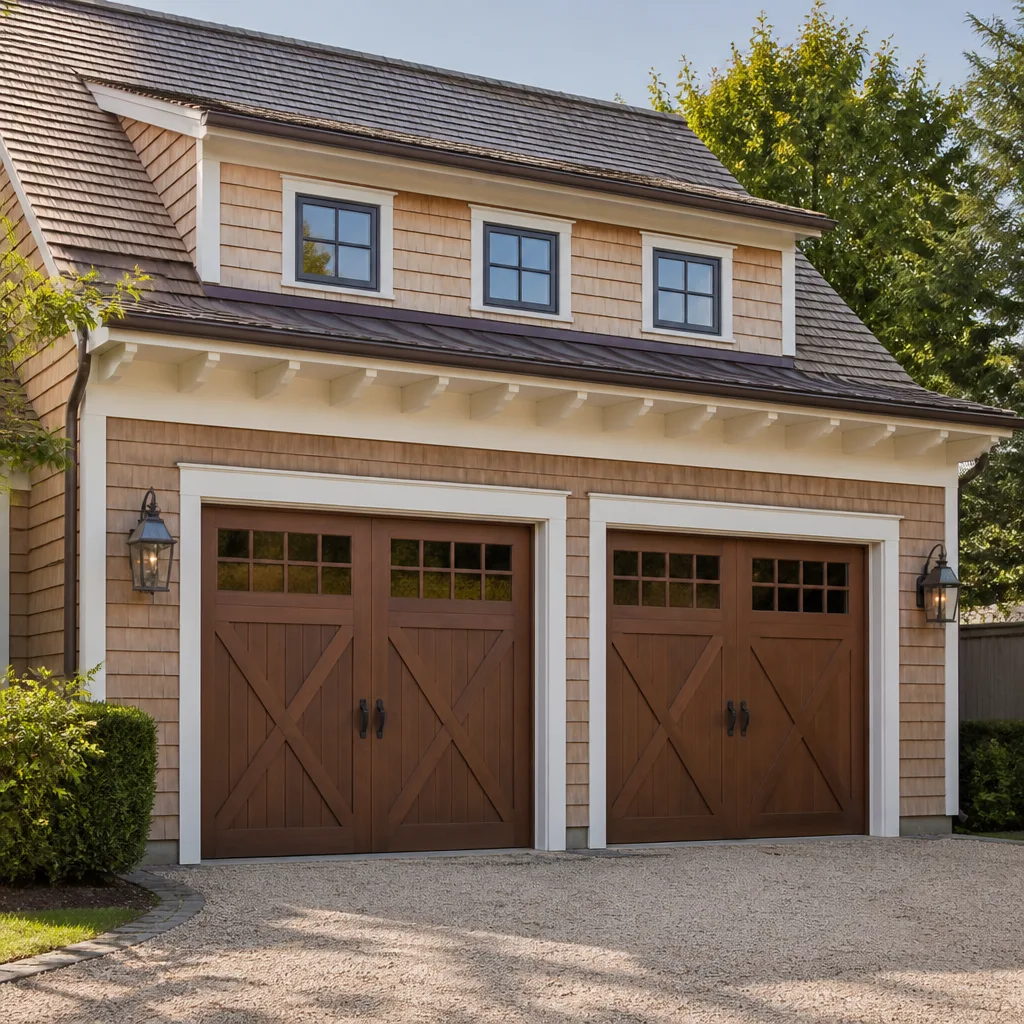 Carriage house
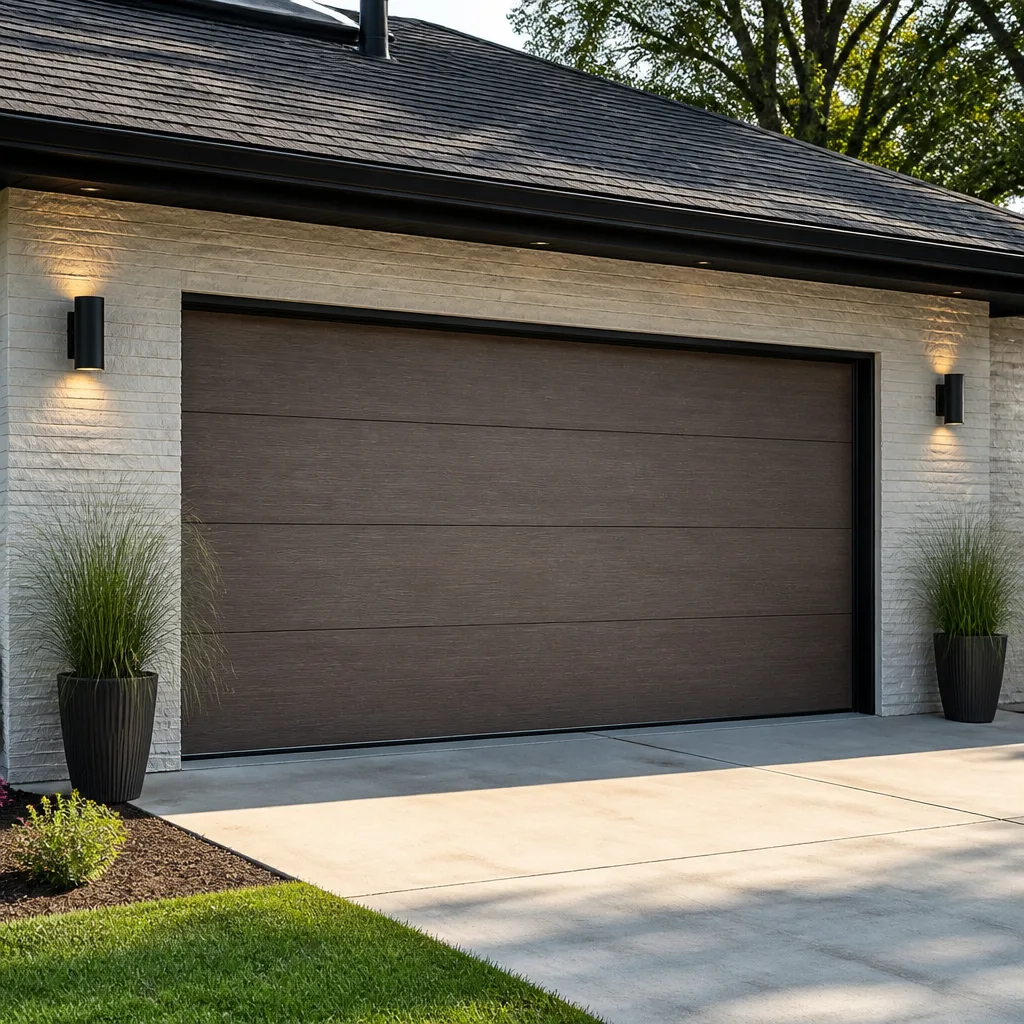 Modern flush
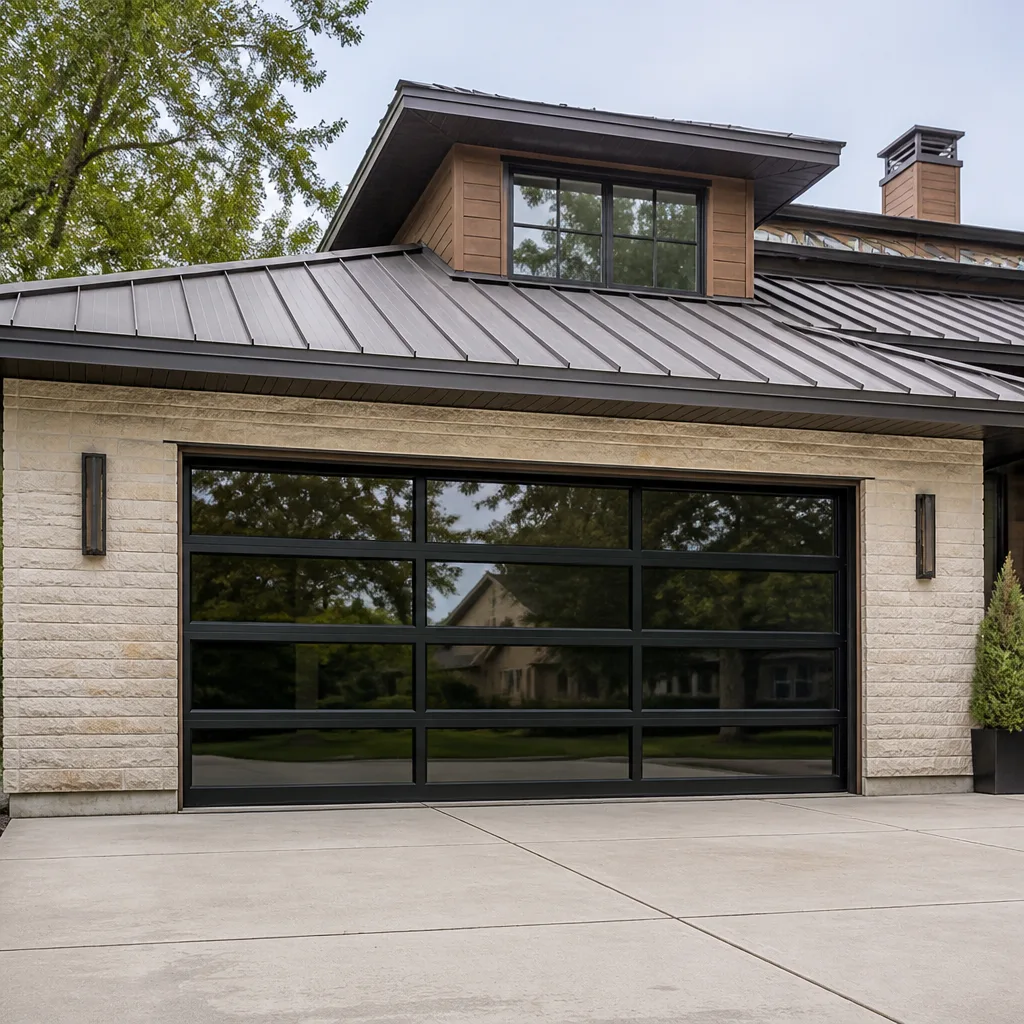 Full-view glass
 LiftMaster openers
 Chamberlain openers
Full 25-point door and opener safety check with every visit - springs, cables, rollers, tracks, and your LiftMaster or Chamberlain opener included
You get a price before we start. It does not change when the truck arrives.
Get your free estimateThe Complete Guide to Garage Door in Ocala
Here’s what most people in Ocala don’t realize about their garage door: the average home built between 1990 and 2010 has a system running years past its original design lifespan. Garage doors are engineered with a service expectation of roughly 10 to 15 years for major components, and Ocala’s heat and humidity compress that timeline significantly. The result is a city full of garage doors that work fine one day and fail completely the next, usually in ways that feel random and expensive. What follows is a complete map of how your garage door actually works, why it fails, and what you can do about it before it strands your car in the driveway at 7 a.m.
Quick Answer
A garage door in Ocala is not one product but a system of six interdependent components: panels, spring system, track and rollers, opener, cables, and weather seals. Each component ages on its own schedule and failing to understand which one is wearing means paying for repairs that address symptoms rather than causes. Understanding your door’s brand, age, and component condition lets you make repair and replacement decisions with confidence and avoid getting sold work you don’t need.
Styles & brands we work with
Table of Contents
- The Six Components of Your Garage Door System
- How Ocala’s Climate Accelerates Garage Door Wear
- Builder-Grade vs. Worth Upgrading: What Ocala Homes Actually Have
- How to Identify Your Door’s Brand, Age, and Opener Compatibility
- Marion County Code Requirements for Garage Door Work
- The Ocala Homeowner’s Decision Tree: One-Part Fix or System-Wide Wear
- What You Can Check Yourself (And What You Absolutely Should Not)
- The Brands You’ll Find in Ocala Garages
The Six Components of Your Garage Door System
When a door won’t open, the failure is almost never a single mysterious event. It is a specific component reaching the end of its functional life. Treating the door as a system rather than a product changes how you approach every repair decision.
The six components are:
- Panels and section joints: These are the visible door sections. In Ocala’s climate, panel warping from humidity and direct sun exposure on west-facing doors is common after 12 to 15 years. Joints crack, paint blisters, and the door loses structural rigidity.
- Spring system: This is torsion springs on most sectional doors and extension springs on older or budget installations. Torsion springs are rated for 10,000 cycles. Most builder-grade springs installed in Ocala subdivisions are 10,000-cycle springs, which translates to roughly 7 to 9 years of normal use in a city where people open and close the door 4 to 6 times daily.
- Track and rollers: Rollers made of nylon wear faster in high-heat attics and garages. Steel rollers corrode in humidity. Bent tracks happen when someone keeps pressing the opener while the door is blocked. Misalignment is common in homes where the garage slab has settled, which is frequent in Ocala’s sandy soil areas.
- Opener and drive system: The motor, gear assembly, belt or chain, safety sensors, and logic board. Openers in unconditioned Ocala garages run hot, and heat kills circuit boards faster than anything else.
- Cables and drums: The high-tension cables that lift the door as springs release tension. These are under extreme force and should never be touched by a homeowner. A frayed cable is a warning, not a project.
- Weather seals and bottom rubber: The most ignored component, and in Florida, one of the most important. A degraded bottom seal admits water, insects, dust, and heat, and it signals that the door’s edge is no longer protected.
When we show up at a Ocala home where the door failed, the most common diagnosis is that two or three of these components reached failure at nearly the same time, because they were installed together and aged together. That’s why the first repair sometimes has a sibling repair six months later, and why a methodical inspection of the whole system, not just the obvious symptom, is the difference between a durable fix and a callback.
For a detailed look at how repairs address these components, see our guide to Garage Door Repair in Ocala.
How Ocala’s Climate Accelerates Garage Door Wear
Ocala sits in USDA hardiness zone 9a, with summer temperatures regularly climbing into the mid-90s and humidity averaging above 70 percent for half the year. An attached garage in Ocala is not a dry, insulated box; it’s a heat sink and a moisture chamber. That reality changes how garage door components fail compared to northern cities.
Heat accelerates spring fatigue. Torsion springs are heat-treated steel. Sustained exposure to garage temperatures above 100 degrees Fahrenheit causes microstructural changes that shorten spring life by an estimated 20 to 30 percent compared to identical springs in cooler climates. A spring rated for 10,000 cycles in Michigan might deliver 7,000 in Ocala. This is why Ocala homeowners often experience a spring failure around year 6 or 7 when national averages suggest year 8 or 9.
Humidity attacks rollers, hinges, and bottom brackets. Steel components without proper lubrication develop surface rust within a single wet season. Rusted rollers no longer roll; they slide and grind against tracks, causing wear in both. Rusted hinges bind, which transfers stress to the panels themselves, leading to cracks at the connection points.
Moisture destroys bottom seals faster than in arid climates. The bottom rubber weatherstrip on a garage door is constantly wicking moisture from Ocala’s saturated summer air and frequent afternoon rains. Vinyl seals become brittle and crack. The adhesive on gasket-style seals fails. Once the bottom seal is compromised, water intrusion begins, which accelerates rust on the bottom panel and the track brackets.
Afternoon thunderstorms and the wind-load factor. Ocala’s summer storm pattern brings sudden gusts. Doors with worn springs or deteriorating panels flex more under wind load. A door that’s structurally sound handles Florida wind normally, but a door that’s already past its service life shows damage faster after a storm season or two. Marion County is not in the high-velocity hurricane zone of coastal Florida, but the same wind mitigation logic applies: a tight, balanced door with functioning components is the best protection against wind-driven rain and gust damage.
The takeaway is this: a garage door in Ocala does not age on a national schedule. If you own a home built before 2010 and the door has never had its springs replaced, you are not on borrowed time; you are past it.
Builder-Grade vs. Worth Upgrading: What Ocala Homes Actually Have
The garage doors installed by production builders in Ocala subdivisions such as Fore Ranch, Heath Brook, and the various communities along State Road 200 are almost always what the industry calls builder-grade. That means a 25-gauge steel panel door with no insulation, a 10,000-cycle torsion spring, steel rollers, and a basic chain-drive opener. The door is installed to code and functions correctly on day one. It is not designed to be a 20-year door.
The value question for Ocala homeowners is not whether the builder-grade door served its purpose. It did. The question is what to replace it with when the time comes, and that depends on how you use the garage; see our Garage Door Cost Breakdown: The Ocala Homeowner’s Reference for 2026 for pricing guidance.
Homes where the garage is a workshop, home gym, or storage for temperature-sensitive items benefit from an insulated door. A polyurethane-insulated door with an R-value between 12 and 14 changes the garage environment meaningfully in Ocala’s summer heat. The difference between an uninsulated steel door and an insulated one on a west-facing garage can be 15 to 20 degrees on an August afternoon. That reduction in heat also extends the life of the opener’s logic board and reduces stress on plastic components inside the motor housing.
Homes where the garage is purely for parking and the door opens twice a day do not need the most expensive door on the market. A quality 24-gauge steel door with a medium-grade torsion spring and nylon rollers is a genuine upgrade and will last significantly longer than the builder-grade original.
The brands we commonly see in Ocala during replacement projects include Clopay for its wide availability and range of price points, Amarr for its steel backing and durability in humid climates, and Wayne Dalton for its extensive footprint in production-built Florida homes. Each has builder lines and premium lines. The difference between a $600 door and a $1,400 door in Ocala is not the paint color; it’s the insulation value, the panel thickness, and the spring cycle rating. We recommend matching the door upgrade to how much heat you actually want to keep out, not to a brand name on a brochure.
If you are considering a full replacement, our Garage Door Installation in Ocala page covers the process from measurement to final balance in detail.
How to Identify Your Door’s Brand, Age, and Opener Compatibility
Most Ocala homeowners do not know what brand of garage door they own. That’s understandable, but it matters when you need a repair or when you are deciding whether to upgrade the opener. Here is how to read what you have.
Step 1: Check the door panels themselves. Many manufacturers place identifying information on the inside of the door. Look at the inside surface of the top panel or the bottom panel. Some brands emboss their name into the steel. Clopay often stamps a label on the inside edge of the top section. Amarr uses a sticker or imprint near the hinges on the interior. Wayne Dalton frequently labels the inside of the top panel with a brand mark and model identifier. If those labels are gone, check the outside condition. Wayne Dalton doors in production homes often have a distinctive raised panel profile that an experienced installer can identify at a glance.
Step 2: Check the opener. The opener is the easier piece to identify. The brand name is printed on the motor cover. LiftMaster, Chamberlain, Genie, and Craftsman account for most installations in Ocala. Note the model number. This matters because opener compatibility with modern accessories, such as backup batteries and wireless entry pads, is model-specific, not brand-specific.
Step 3: Estimate the age. If the home was built by a production builder, the garage door is almost certainly the original. If you know the home’s construction year, you know the door’s age within a year. For homeowner-installed replacements, photo-eye safety sensors (the small units on either side of the door opening near the floor) became mandatory in 1993, and a door with sensors is post-1993. The lack of sensors means the door predates 1993 or was improperly retrofitted.
Step 4: Check for torsion spring conversion. Older Ocala homes from the 1980s and early 1990s often have extension springs stretching along the horizontal track on both sides. Newer doors use a torsion spring system mounted on the header above the door. If you are considering a new opener, the spring type matters: torsion systems put less lateral stress on the door, and modern openers are calibrated for that balance.
Knowing your specific brand and model allows a specialist to arrive with the right parts the first time. A technician who works on all brands is guessing; one who knows the specific quirks of your door’s manufacturer can diagnose over the phone and carry the right parts to the truck. That is the difference between a one-trip repair and a two-trip estimate.
Marion County Code Requirements for Garage Door Work
Marion County enforces the Florida Building Code, which incorporates specific standards for garage door installation, wind resistance, and safety sensor requirements. If you are replacing a door or opener in Ocala, here is what the code review process actually involves.
Wind load requirements. Ocala is not in the High Velocity Hurricane Zone (HVHZ) that governs Miami-Dade and Broward counties, but the Florida Building Code still requires new garage door installations to meet specific wind-load standards based on the home’s location and exposure category. For most residential installations in Ocala, a standard wind-rated door with proper reinforcement struts satisfies the requirement. The permit application must list the door’s design pressure rating.
Safety sensors are mandatory on new openers. Since 1993, all residential garage door openers sold in the United States have been required to include an auto-reverse mechanism triggered by photo-eye sensors. Marion County inspectors verify sensor placement at 4 to 6 inches above the floor and confirm the reversal function during final inspection. An opener installed without sensors will not pass an inspection and is a safety liability for anyone in the home.
Permit requirements. Replacing a garage door in unincorporated Marion County or within the city of Ocala typically requires a permit. Repairs that do not change the door’s structural characteristics, such as spring replacement, panel replacement, or roller changes, do not require a permit. Full door replacement does. The contractor performing the work is responsible for pulling the permit for most installations, but homeowners doing their own installation must pull the permit themselves.
Battery backup requirements. Florida law passed in 2018 requires all newly installed residential garage door openers to include a battery backup system. This is specific to hurricane-prone states and applies to Ocala even though the area is inland. If your opener was installed after 2018 and lacks battery backup, it was not installed to code. For storm-readiness tips, see our Garage Door Emergency Preparedness Guide for Ocala Homes.
Any Ocala installation company you work with should be familiar with these requirements and handle the permitting paperwork without you asking. If a contractor tells you a permit is not needed for a full door replacement in Marion County, get a second opinion.
The Ocala Homeowner’s Decision Tree: One-Part Fix or System-Wide Wear
The most useful skill we can teach a Ocala homeowner is how to classify a garage door problem. Here is our step-by-step diagnostic thinking, the same process we walk through on every service call.
- Is the door opening unevenly or jamming on one side? If yes, check the cables and rollers first. A frayed cable or a seized roller causes uneven movement. This is often a one-part fix if caught early. If the cable has snapped entirely, the door cannot be lifted manually and the issue is urgent.
- Did the door fail suddenly with a loud bang? That is a torsion spring failure. One spring is broken. Call a professional. Do not attempt to open the door manually with one working spring; the imbalance puts dangerous stress on the remaining spring and the cables.
- Is the door moving but making grinding or squealing sounds? That points to the opener drive gear, the rollers, or the track. Nylon rollers in Ocala’s heat wear out and develop flat spots. The opener’s plastic drive gear on chain-drive units strips after years of heat exposure. These are repairable, but if the opener is more than 10 years old and the rollers are original, the cost of repairing two-thirds of the system sometimes argues for replacement of the opener rather than continued patchwork.
- Is the door balanced when disconnected from the opener? Pull the emergency release cord and lift the door manually to the halfway point. If the door holds position, the springs are balanced. If it drops, the springs are weakening. If it rises, the springs are over-tensioned. This test tells you whether the problem is the door or the opener.
- Is the bottom seal cracked, brittle, or detached? A failed bottom seal in Ocala means water entry during afternoon storms and insect entry year-round. The seal replacement is inexpensive. The damage a failed seal causes to the bottom panel over several wet seasons is expensive.
The rule of thumb: if the problem involves the spring, the cables, or the door’s balance, you are dealing with a system component that affects everything else. Repairs in that category should always include an inspection of the adjacent components. If the problem is isolated to the opener logic board or a single sensor, it is usually a self-contained fix.
What You Can Check Yourself (And What You Absolutely Should Not)
Part of understanding your garage door in Ocala is knowing the line between homeowner maintenance and professional work. Here is where that line sits.
Safe to check or maintain yourself:
- Visual inspection of rollers and tracks: Look for rust, flat spots on rollers, and buildup on the tracks. You can wipe tracks clean with a dry cloth. Do not apply grease to tracks; it attracts dust and dirt.
- Bottom seal inspection: If the rubber is cracked or pulling away at the edges, that is a replacement item. Replacing a bottom seal on some doors is straightforward; on others, it requires removing the bottom bracket and is better left to a technician.
- Balance test: Disconnect the opener using the emergency release and manually lift the door to the halfway point. Note whether it stays. Always do this with a second person present and keep your hands clear of the track path.
- Sensor alignment check: If the opener’s safety sensors are misaligned, the door will refuse to close. Check that both sensor lights are solid, not blinking. Clean the lenses with a dry cloth. This fixes a surprising number of opener problems without a service call.
Do not attempt these yourself:
- Torsion spring replacement or adjustment: These springs are under hundreds of pounds of tension. A spring that releases unexpectedly can cause severe injury or death. This is the single most dangerous repair in residential construction. We do not give step-by-step instructions for this work because doing so would be irresponsible. Leave it to a trained technician.
- Cable replacement: The lift cables carry the door’s full weight and are connected to the same tension system as the springs. A cable that snaps during handling behaves like a whip made of steel wire. This is professional work.
- Track adjustment or removal: The track guides the door’s full weight during movement. A track that comes loose while the door is moving allows the door to fall. Always have a professional re-align or replace track sections.
- Opener motor replacement: The opener’s internal capacitor stores an electrical charge even when unplugged. Opening the motor housing without proper knowledge can result in a shock. This is why opener repairs are limited to sensor, remote, and gear replacement in most service situations.
If you ever feel a hesitation about whether something is safe to work on, the answer is almost always to call someone who does this every day. For opener-related questions specifically, our Garage Door Opener Repair in Ocala guide covers troubleshooting and repair in depth.
The Brands You’ll Find in Ocala Garages
Ocala’s housing stock spans several decades, and the garage door brands installed reflect that history. Knowing which brand you have helps you understand your repair options and whether replacement parts are readily available.
Production-built homes from the 1980s through 2010: Wayne Dalton doors dominate this segment. Production builders chose Wayne Dalton for competitive pricing and reliable supply chains. These doors are generally 25-gauge steel with builder-grade hardware. Many are now 15 to 25 years old and reaching the end of their functional life. Wayne Dalton’s TorqueMaster spring system, used on many builder installations, is a different design than standard torsion springs and requires specific tools and knowledge to service safely.
Custom and mid-range homes: Clopay and Amarr are the most common brands we see in Ocala homes built as custom or semi-custom projects. Clopay’s range spans from builder equivalents to highly insulated premium models. Amarr is known for thicker steel and full steel backing on higher-end lines, which performs well in Florida’s humidity. Both brands have strong parts availability, which matters when a single panel needs replacement after storm damage or an impact.
Opener brands: The opener on a Ocala garage is almost always a LiftMaster, Chamberlain, Genie, or Craftsman. LiftMaster dominates professional installations, while Chamberlain and Craftsman are common on homeowner-installed units purchased at big-box retailers. Genie is frequent on older homes from the 1990s and early 2000s. The key compatibility consideration is not brand but model year. An opener from 2005 does not support modern battery backup, MyQ connectivity, or the latest safety sensor standards. An opener from 2020 does.
We’ve rebuilt doors and openers across every brand mentioned here, and the consistent lesson is this: a specialist who knows your specific brand diagnoses faster and repairs more durably than a generalist who is seeing that brand for the first time at your house. That is not marketing language. It is the difference between a one-hour diagnosis and a fifteen-minute one.
Common Mistakes to Avoid
- Ignoring a noisy door. A grinding or squealing door is not normal. It is a signal that metal is rubbing against metal or rollers are failing. By the time the noise stops, the component has usually failed completely. Address noise early and the repair is smaller.
- Replacing the opener when the door is the problem. The classic Ocala scenario: the opener motor burns out, the homeowner replaces the opener, and six months later the springs fail. The worn springs were making the opener work harder the entire time. Before replacing an opener, always have the door’s balance checked. This mistake costs homeowners more than almost any other.
- Lubricating with the wrong product. Oiling a torsion spring with motor oil or spraying the tracks with penetrating lubricant creates a sticky film that attracts dust. Dry-film lubricant or silicone spray is acceptable; motor oil is not. And tracks should be kept clean and dry, not greased.
- Pressing the opener repeatedly when the door is stuck. Every time you press that button while the door is jammed, the opener’s gear assembly strips a little more. If the door won’t move, find out why before hitting the button again. The door that wouldn’t open is a smaller problem than the door and opener that both need work.
- Using the emergency release cord while the door is under spring tension. The emergency release cord disconnects the door from the opener carriage. It does not release spring tension. If a spring has broken and the door is under uneven load, pulling the release can cause the door to move suddenly. Always have a professional assess a spring failure before attempting to move the door manually.
- Neglecting the bottom seal because it seems cosmetic. The bottom seal is the most cost-effective component on the entire door to maintain. In Ocala’s wet season, a failed seal allows water intrusion that rusts the bottom panel, the brackets, and the track hardware. A $30 seal replacement prevents hundreds of dollars in structural repair work later.
- Assuming all garage door companies are the same. A handyman who fixes doors, windows, and drywall may or may not know how to safely tension a torsion spring. The track record of garage door injuries in Florida is dominated by untrained individuals attempting work they were not equipped to handle. The right fix, not just a fast one, comes from a garage door specialist.
See the difference
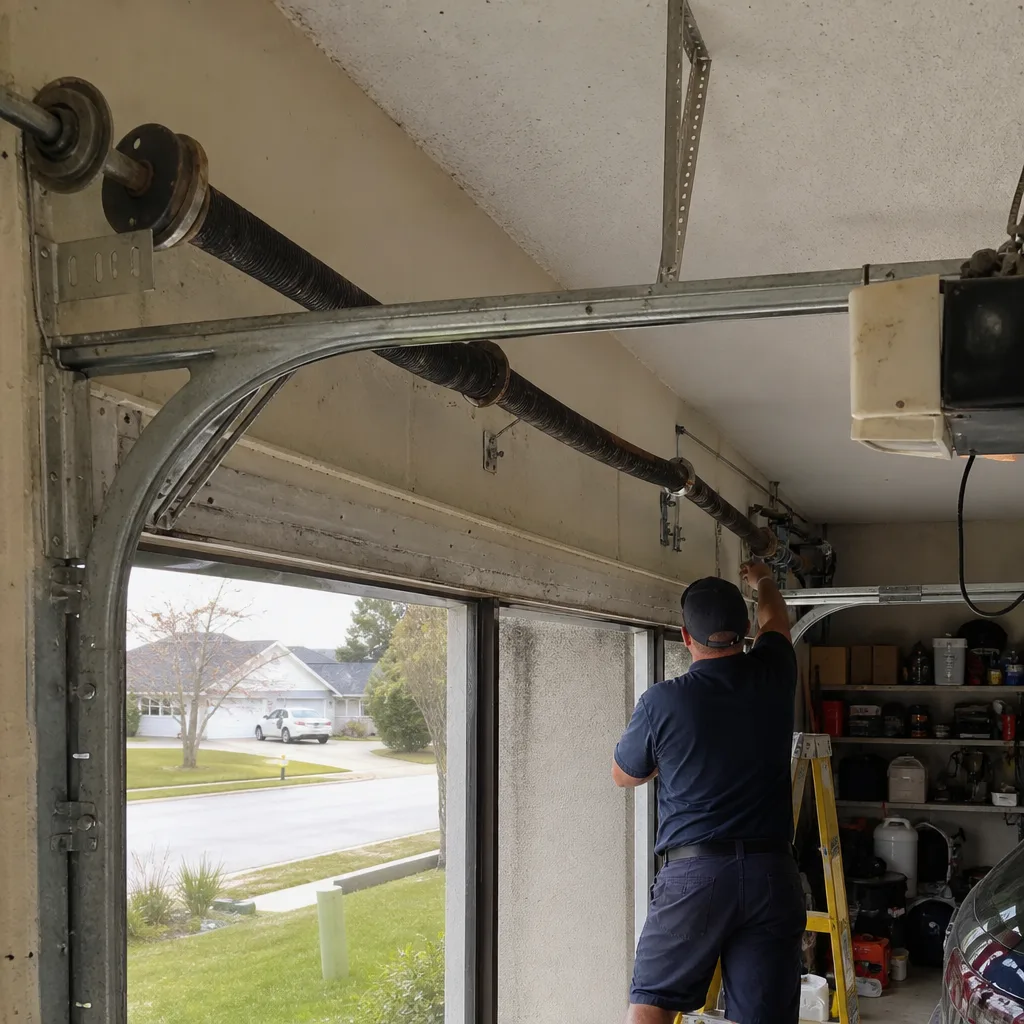 Before
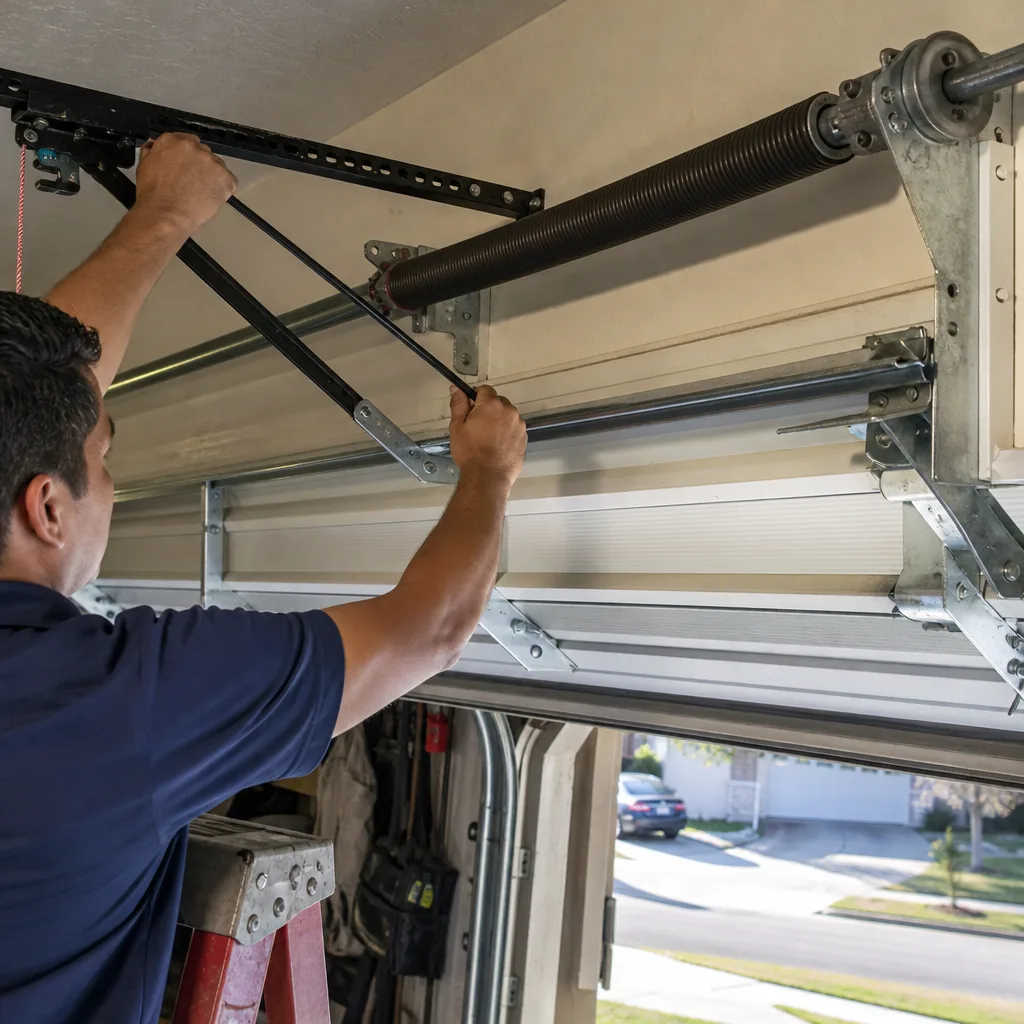 After
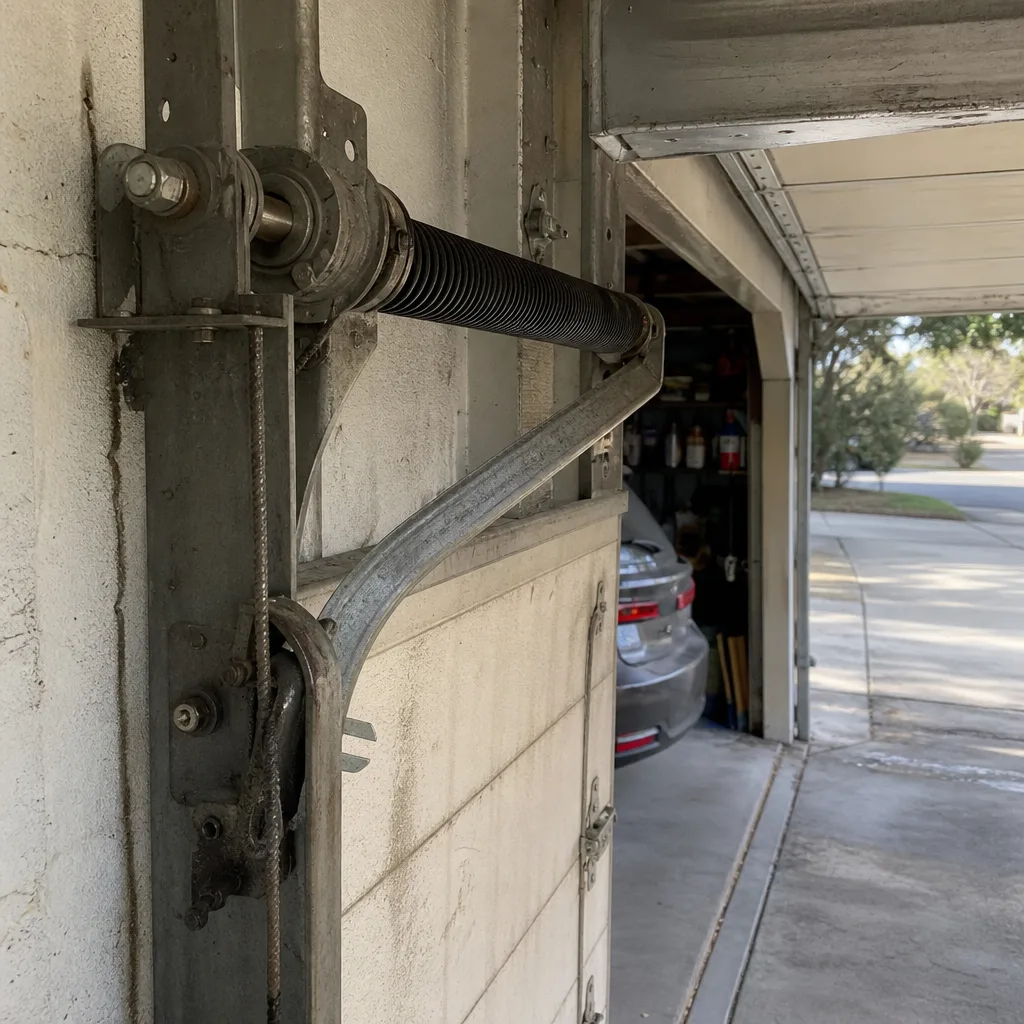 Before
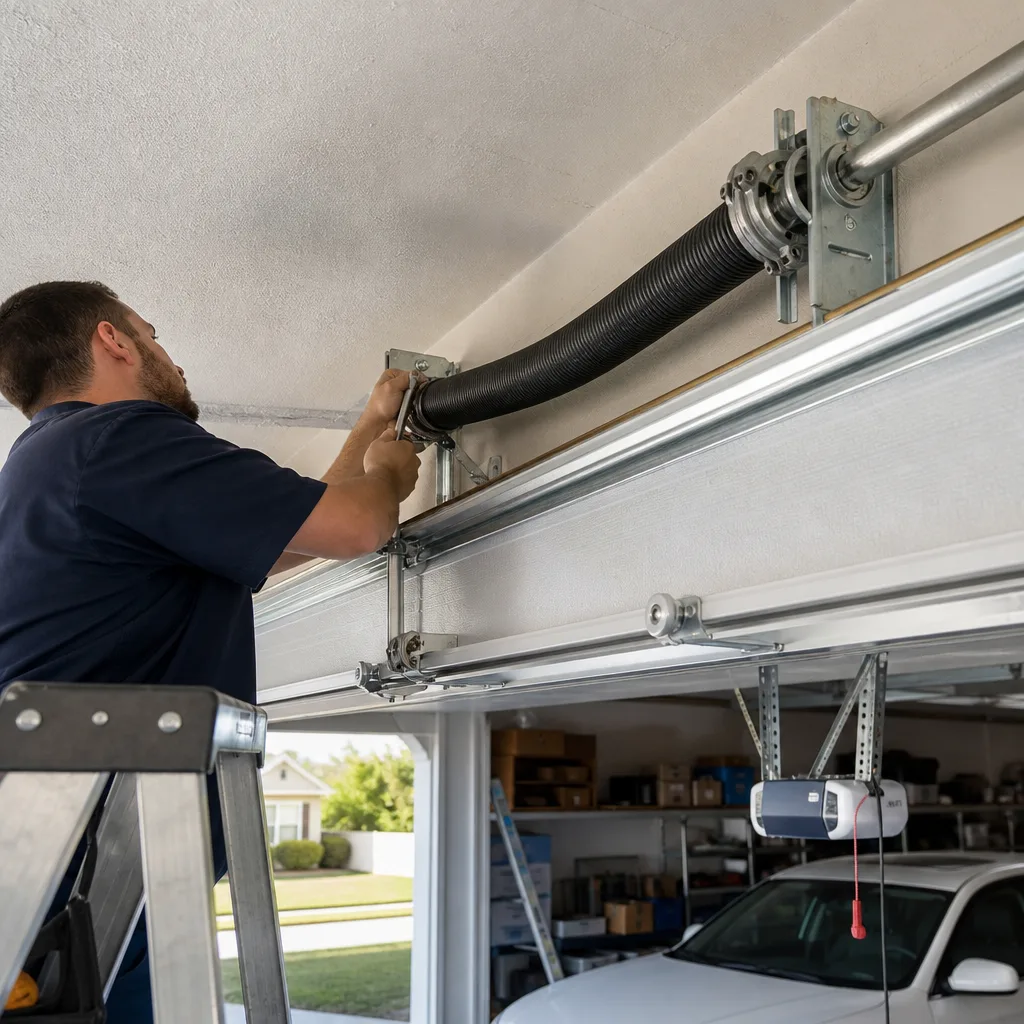 After
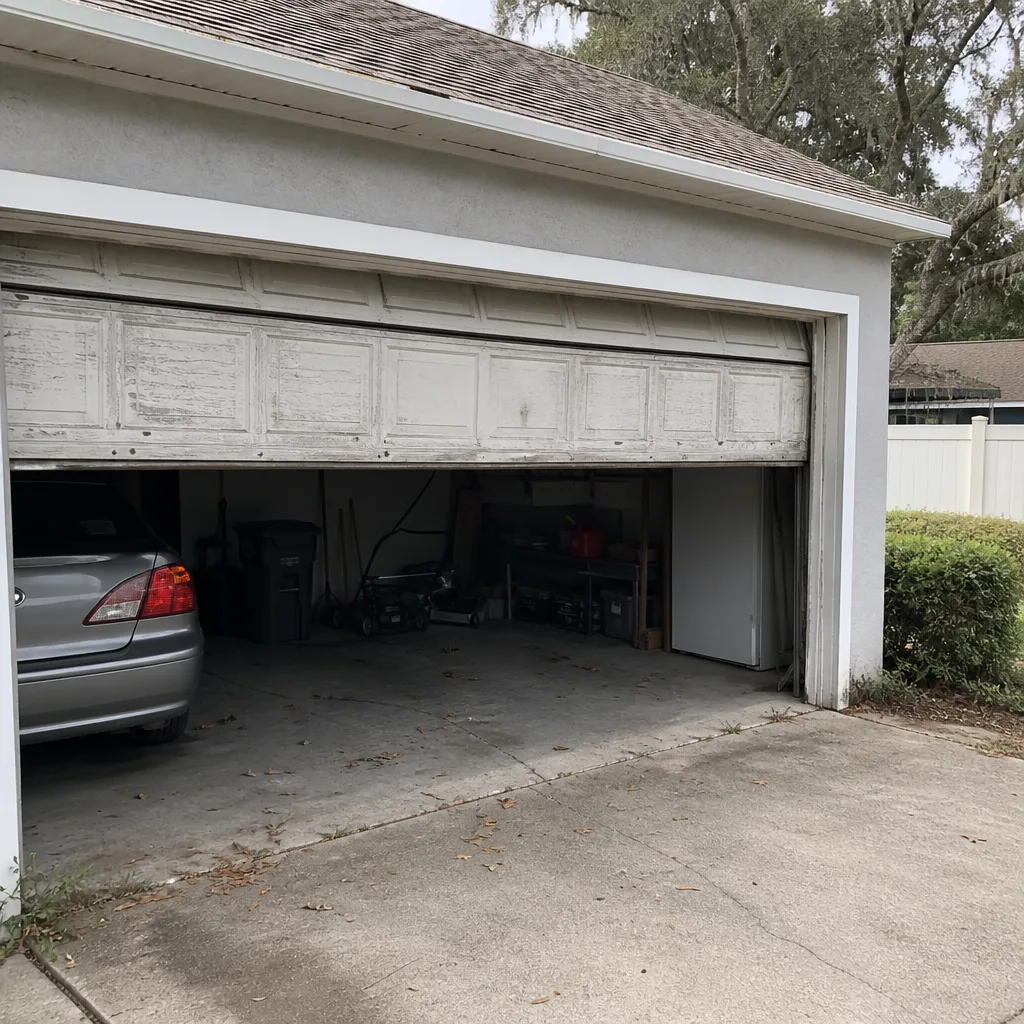 Before
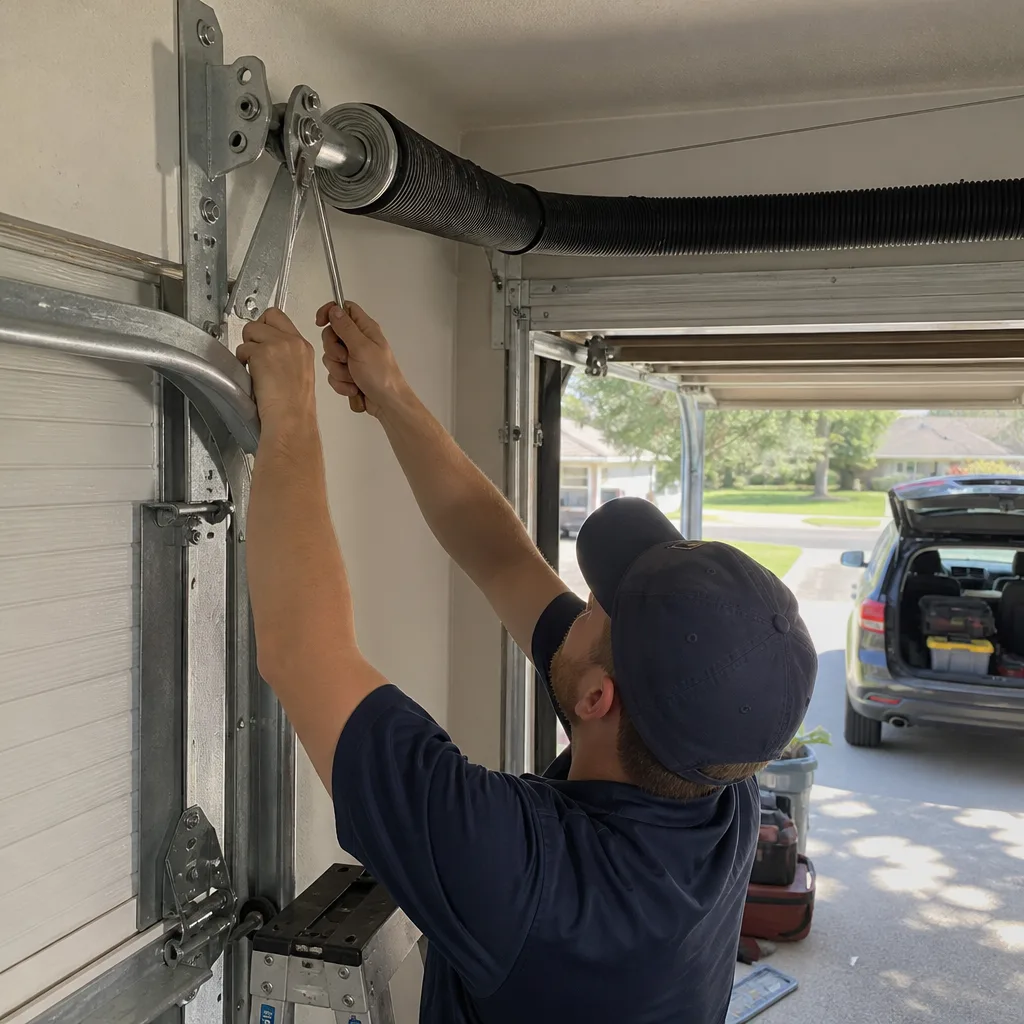 After
When to Call a Professional
Some situations are unambiguous. A snapped torsion spring is a professional repair, not a project. Frayed cables, a bent track, or a door that’s come off its rollers all require immediate professional attention. An opener that’s sparking, smoking, or making grinding noises with no movement should be unplugged and assessed by someone who knows the unit. A door that won’t balance when disconnected from the opener is telling you the spring system is failing. Any time the door is involved in a vehicle impact, even a light one, have the track alignment and panel condition checked before resuming normal use. Key Step Garage Door Repair offers free estimates in Ocala – call (855) 795-2118 and we’ll take a look, or browse more guides & resources on our blog.
Frequently Asked Questions
A torsion spring replacement for a standard single garage door in Ocala typically runs between $220 and $380 including parts and labor, depending on the spring’s cycle rating and whether it’s a single or double spring system. Higher-cycle springs cost more up front but last significantly longer in Florida’s heat. Call (855) 795-2118 for an exact quote based on your door’s specific spring configuration.
In Ocala’s heat, a standard 10,000-cycle torsion spring lasts about 6 to 9 years with normal use, compared to 8 to 12 years in cooler climates. The garage temperature in a Florida summer accelerates metal fatigue. If your springs are older than 7 years and the door is getting harder to lift manually, they’re approaching the end of their range.
Legally and practically, yes, but the work involves electrical wiring, safety sensor alignment, and proper balance calibration. Most opener installation mistakes we see in Ocala involve sensors mounted at the wrong height, improperly tensioned belts or chains, or a door that was never rebalanced after the opener swap. If you’re comfortable with the electrical work and have help for the lifting, it’s doable. Many homeowners prefer to have a specialist handle the full job.
Yes. Every new garage door installed in Marion County must meet Florida Building Code wind-load requirements for the home’s exposure category. Our Garage Door Installation in Ocala guide covers the specifics. A reputable installer will include the door’s design pressure rating on the permit application.
Ocala’s summer heat causes the logic board inside the opener motor housing to overheat and temporarily fail. This is most common with older openers in unconditioned garages, especially on west-facing walls. The fix is sometimes as simple as adding garage ventilation, but repeated overheating episodes indicate the board is nearing failure. A replacement opener with a heat-resistant housing may be the long-term solution.
If the panels are warped, rusted through, or cracked at the hinge points, the door is structurally compromised and replacement is the better investment. If the door’s steel is sound and the problem is in the springs, rollers, or opener, a targeted repair is usually the right move. When in doubt, call (855) 795-2118 for a free assessment and we’ll tell you honestly which category you’re in.
The Bottom Line
A garage door in Ocala is a system with a defined service life, and that service life is shorter here than in most of the country because of heat and humidity. Understanding the six components, knowing which brands your home has, and recognizing the difference between a one-part repair and system-wide wear puts you in control of repair decisions instead of being at the mercy of whatever a salesperson tells you. The most cost-effective maintenance in Ocala is a bottom seal replacement and an annual spring and roller inspection. The most expensive mistake is ignoring the warning signs until something fails catastrophically. When the time comes for a repair, an opener fix, or a full replacement, Key Step Garage Door Repair offers free estimates in Ocala – call (855) 795-2118. We know your brand, from the opener to the panel, and we’ll get you back in motion.
Written by the team at Key Step Garage Door Repair, serving Ocala since 2013. For more about our approach, visit the Key Step Garage Door Repair home page.