

Last updated October 30, 2026
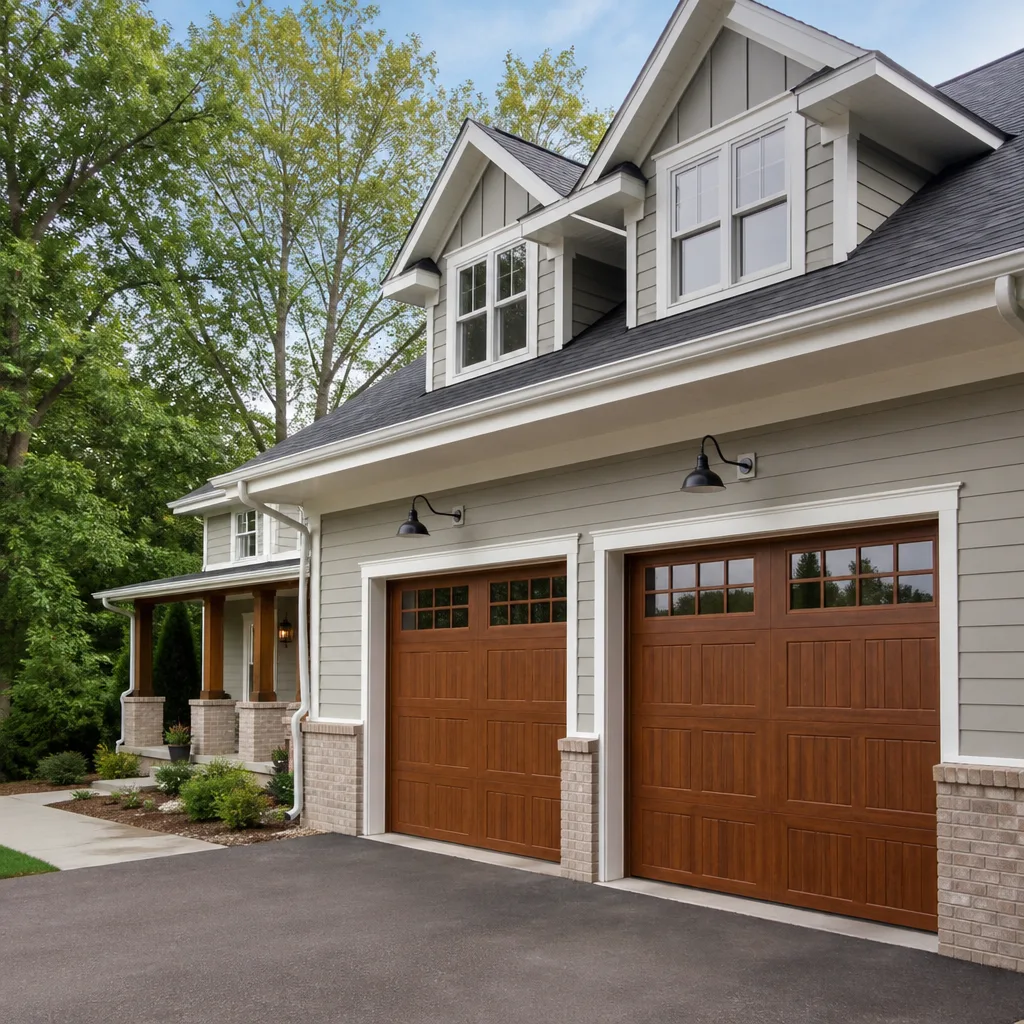
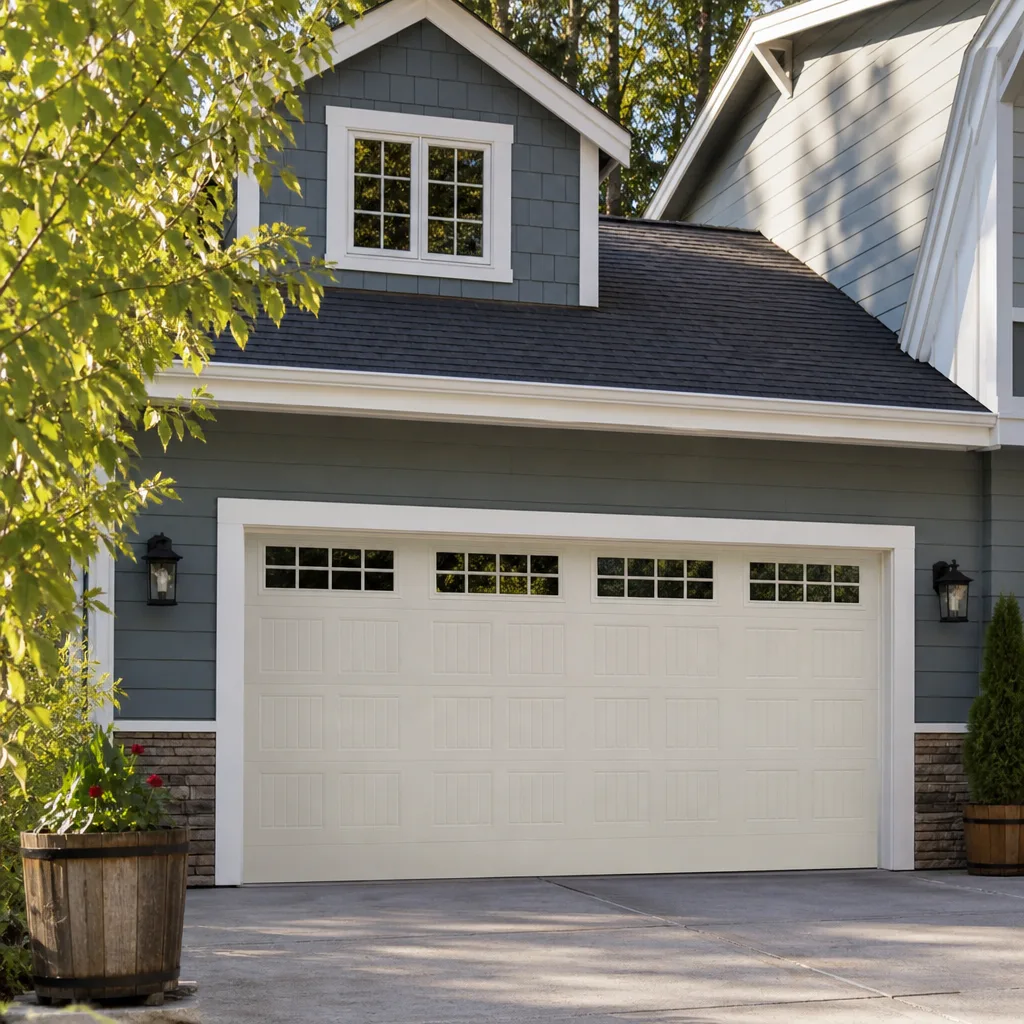
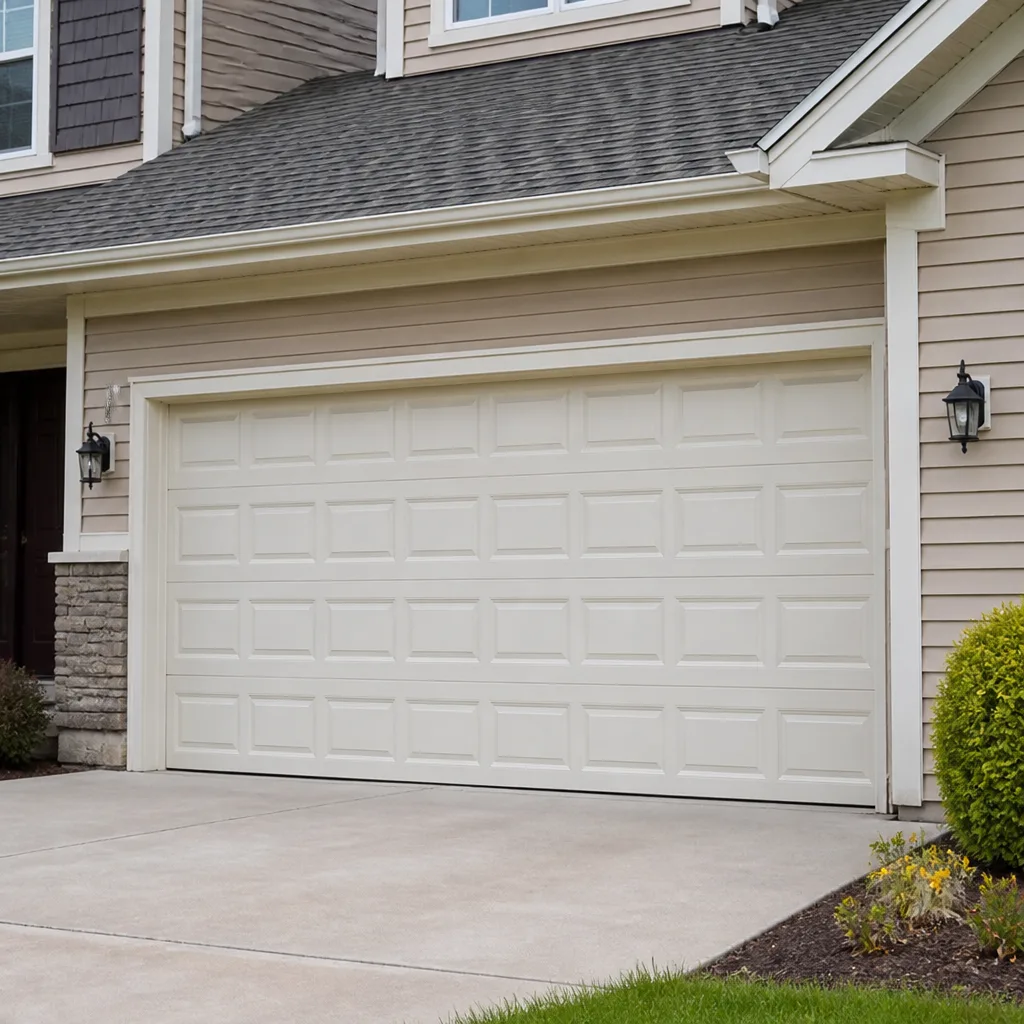 Raised-panel steel
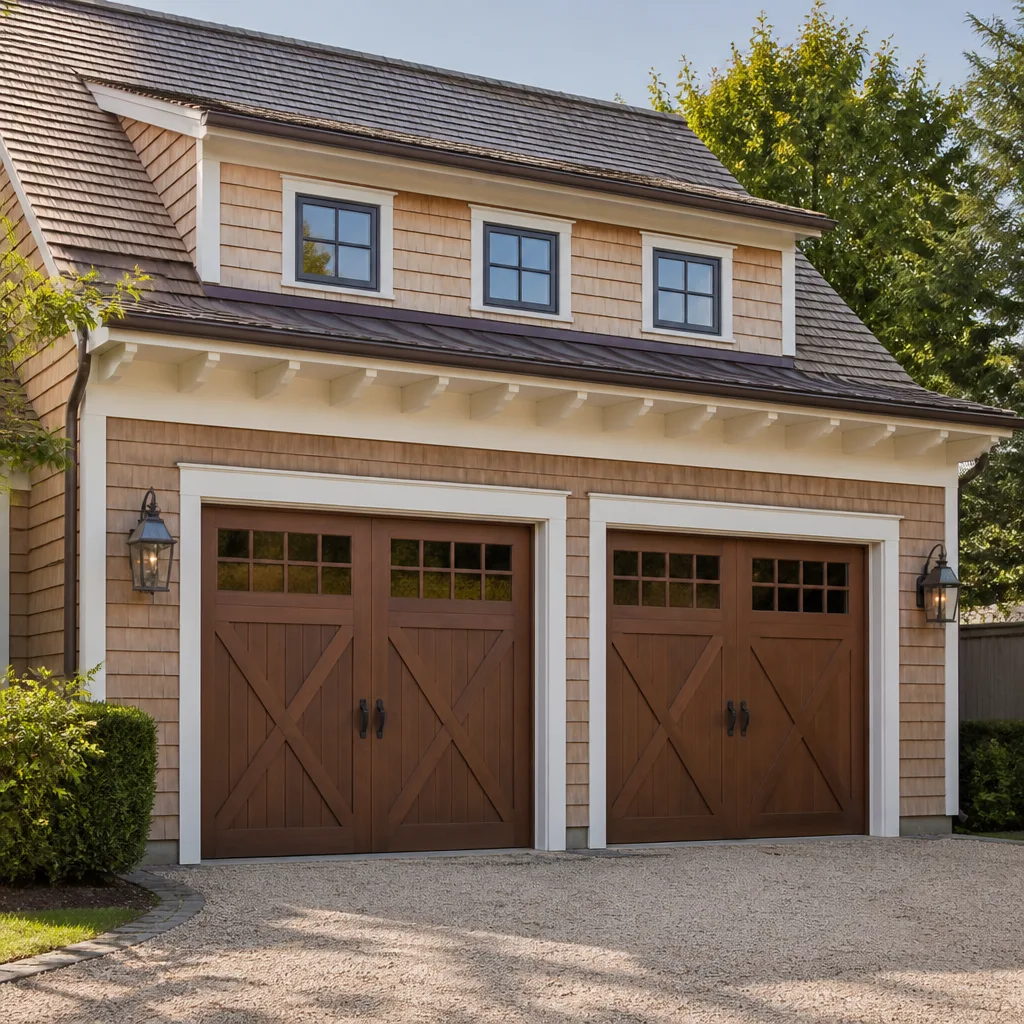 Carriage house
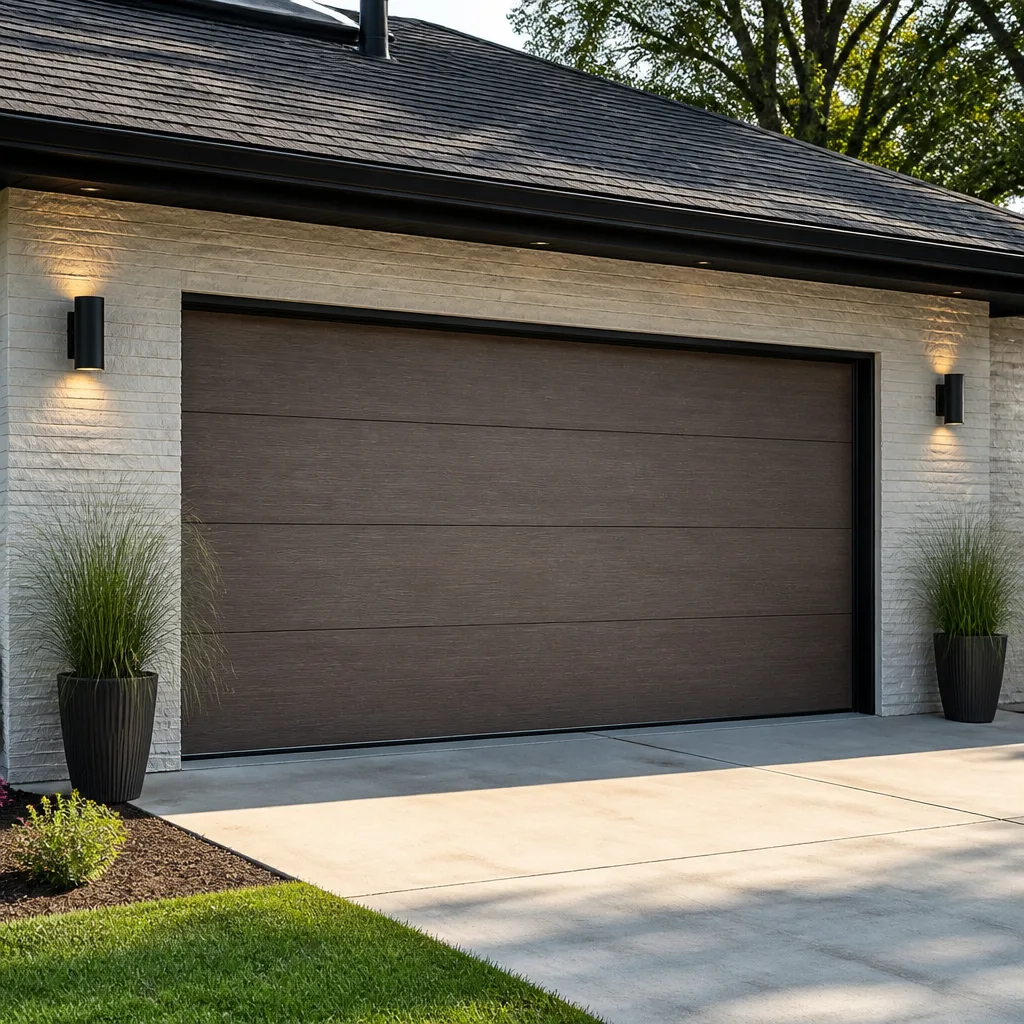 Modern flush
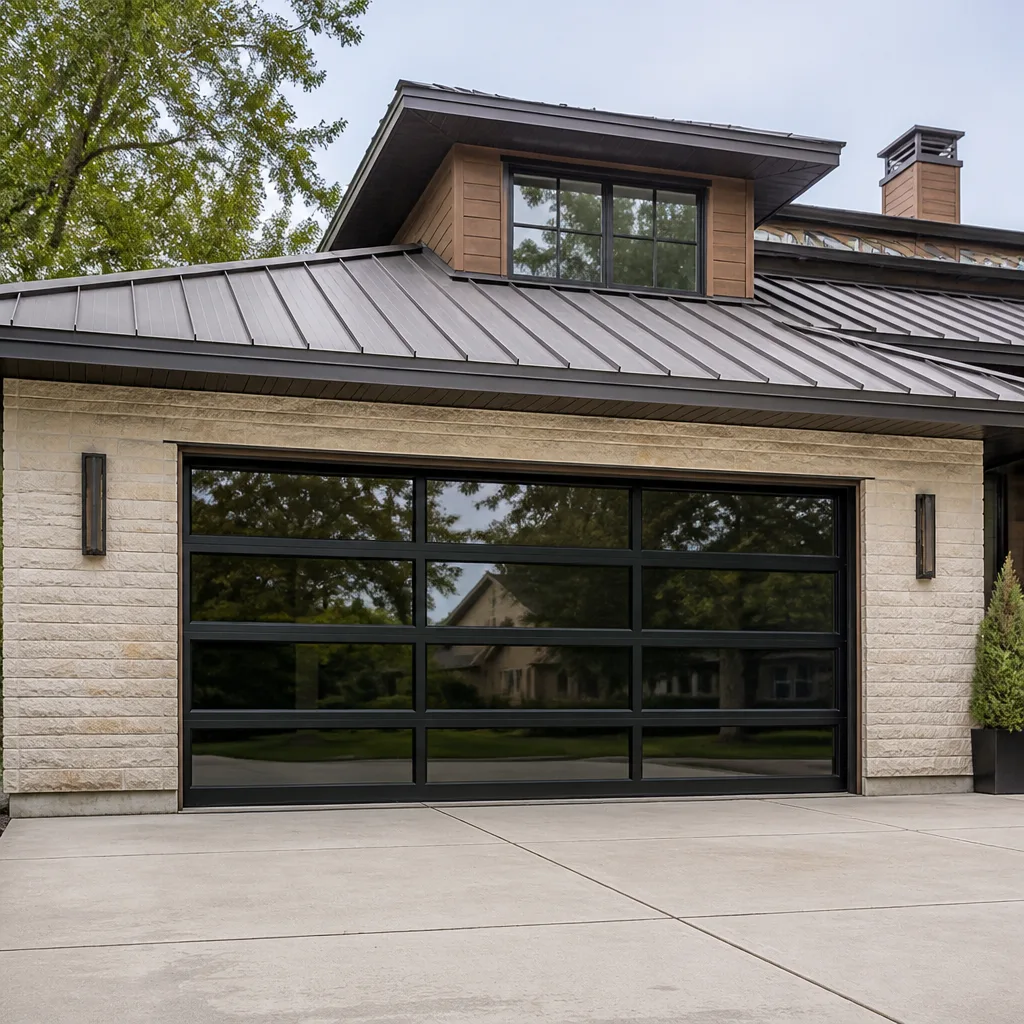 Full-view glass
 LiftMaster openers
 Chamberlain openers
Full 25-point door and opener safety check with every visit - springs, cables, rollers, tracks, and your LiftMaster or Chamberlain opener included
You get a price before we start. It does not change when the truck arrives.
Get your free estimateGarage Door Repair Troubleshooting: Common Problems and How to Fix Them
The single most common garage door “repair” call that turns into a bigger job starts with a homeowner adjusting the travel limit screws on their opener, trying to fix a door that won’t close. The actual problem is almost always a misaligned safety sensor. Now the opener’s internal logic is confused, the door still won’t close, and the technician has to undo the homeowner’s adjustment before fixing the original fault. This guide walks through the diagnostic sequence a trained technician uses, symptom by symptom, so you can find the right fix the first time. For professional help, explore our Garage Door Repair services. Whether you’re in Ocala’s historic district or a newer subdivision off State Road 200, the logic is the same: trace the symptom to the component, not the other way around.
Quick Answer
Garage door troubleshooting means matching the symptom you see to the specific component causing it. Start with the three zero-cost checks: safety sensor alignment, track obstruction, and opener power. If those pass, the fault is usually in one of four places: springs, cables, rollers, or the opener’s internal drive. Anything involving torsion springs or cable tension is specialist work, not a DIY project.
Styles & brands we work with
Table of Contents
- Symptom-to-Cause: The Diagnostic Logic Technicians Use
- The Three Quick Checks Before Any Service Call
- Door Won’t Close: The Five Causes Behind One Symptom
- Door Won’t Open: Opener, Springs, or Both
- Grinding, Squealing, or Rattling: Noise as a Diagnostic Clue
- Door Off Track or Hanging Unevenly
- Opener Runs But the Door Doesn’t Move
- Common Mistakes to Avoid
- When to Call a Professional
- Frequently Asked Questions
Symptom-to-Cause: The Diagnostic Logic Technicians Use
Most homeowners misdiagnose their garage door because they focus on the symptom they can see, a door that won’t close or a grinding noise, rather than tracing it back to the one component actually at fault. That wastes money on parts you don’t need and sometimes makes the real problem worse. A technician works the other direction. We don’t start with “what’s wrong with the door.” We start with “which component produces this signature.”
Here’s the decision logic we use on every call in Ocala, from Fore Ranch to Belleview:
- Does the door move at all? If no, check power to the opener first. If yes, move to step two.
- Does it move partway and stop or reverse? That’s the safety circuit or travel limits. If it moves the full distance but struggles, that’s spring or roller wear.
- Does it make noise? A grinding sound with the door moving is a roller or hinge. A grinding sound from the opener with the door not moving is a stripped drive gear. A bang during movement is a spring or cable issue.
- Does it sit unevenly when closed or halfway? That’s cable tension or track alignment, not the opener.
In our experience serving Ocala, the biggest diagnostic shortcut is location. If the problem is happening at the opener, the issue is electrical or drive-related. If the problem is at the door panels, rollers, or sides, the issue is mechanical. The opener moves the door; it doesn’t hold it up. We’ve seen homeowners replace a perfectly good opener when the real fault was a worn spring. A LiftMaster opener, a Wayne Dalton door, a Raynor torsion system, each has its own signature behavior. That’s why brand-specific knowledge matters. The diagnostic sequence above works across all of them, but the fix details differ.
The rest of this guide walks through each major symptom in the order of how often we see it in Ocala garages, or check out more guides & resources for related topics.
The Three Quick Checks Before Any Service Call
Before you call for service, run these three checks. They cost nothing, take under five minutes, and resolve about a third of the “my door won’t close” calls we get. They’ll also make any technician’s job faster if the problem runs deeper.
Check 1: The Safety Sensors
Look at the two photo-eye sensors mounted near the floor on each side of the door opening. One has a green light, one has an amber or red light. If either light is blinking or off, the sensor circuit is broken. Most of the time, a broom handle or a car bumper has nudged one sensor a few degrees out of alignment. Gently rotate the sensor until both lights come on solid. We see this exact fix solve the problem on roughly a third of the no-close calls we get in Ocala, and it takes thirty seconds.
Check 2: The Track and Rollers
Run your hand along the vertical tracks on both sides, from floor to about chest height. Look for anything that shouldn’t be there: a leaf pile, a kid’s toy, a bent section of track. Also check the rollers themselves. If any roller looks cracked, flat-spotted, or wobbly, that’s a mechanical problem, not an opener problem. The door rides on those rollers; a bad one drags the whole system down.
Check 3: Power and Lock
Is the opener plugged in? Is the outlet live? Check the breaker. Also check the manual lock on the door itself, if your door has one. A locked door with a running opener is a classic. The opener strains, the door doesn’t move, and the homeowner assumes a catastrophic failure. It’s a thumb-turn lock.
If all three checks pass and the door still misbehaves, the issue is internal: springs, cables, drive gear, or logic board. That’s when the diagnostic work gets specific.
Door Won’t Close: The Five Causes Behind One Symptom
This is the most common service call we get in Ocala. The door starts to close, then reverses back up, or it won’t move down at all. Here’s the thing most guides won’t tell you: that single symptom has at least five different causes, and each one requires a different fix. See Garage Door Warning Signs: A Ocala Homeowner’s Reference Guide for early indicators to watch. Here’s the full list, in order of probability:
- Misaligned safety sensors. The photo-eyes at floor level aren’t seeing each other. The opener interprets this as “something is in the way” and refuses to close. Fix: realign until both lights are solid. This is a homeowner-level fix.
- Travel limit settings drifted. The opener’s down-limit is set too far, so the door hits the floor and bounces back up. Fix: adjust the down-limit screw a quarter turn at a time. This is borderline homeowner territory; mark the original position before adjusting.
- Track obstruction or misalignment. A small object in the track, or a track section that’s been pushed inward, creates enough resistance that the opener’s force sensor reverses the door. Fix: clear the track; if the track is bent, that’s specialist work.
- Broken or fatigued cables. If one cable has snapped or slipped off the drum, the door starts to close unevenly and the opener reverses as a safety response. Fix: do not attempt this yourself. Cable tension is dangerous. Call a specialist.
- Logic board failure. The opener’s circuit board has stopped processing the sensor and limit inputs correctly. Fix: replacement of the board or the opener. This is diagnosed by elimination.
Notice the range. The first two are things a careful homeowner can handle in ten minutes. The last three are not. The trick is knowing which is which. A Craftsman opener from 2006 with a door that reverses every third cycle is usually a failing logic board. A door that reverses every single time, from day one, is usually a sensor alignment issue. The pattern of the failure tells you the cause. That’s the diagnostic logic in action.
Door Won’t Open: Opener, Springs, or Both
A door that won’t open is different from a door that won’t close. The safety circuit doesn’t prevent opening, so the sensor angle is off the table. This narrows the field to three components: power, opener drive, and springs.
Power. If the opener makes no sound at all when you press the wall button or remote, the issue is electrical. Check the outlet, the breaker, and the opener’s own fuse if it has one. If the opener hums but nothing moves, power is fine; the issue is mechanical.
Opener drive. On a Chamberlain or LiftMaster opener with a plastic drive gear, a stripped gear produces a distinctive sound: the motor runs, you hear a whirring noise, but the chain or belt doesn’t move. The gear has sheared its teeth. This is a common failure on openers older than ten years, and here in Ocala’s heat, plastic components age faster. Replacing the gear is possible, but on an opener that age, a full garage door opener repair is often the better financial call.
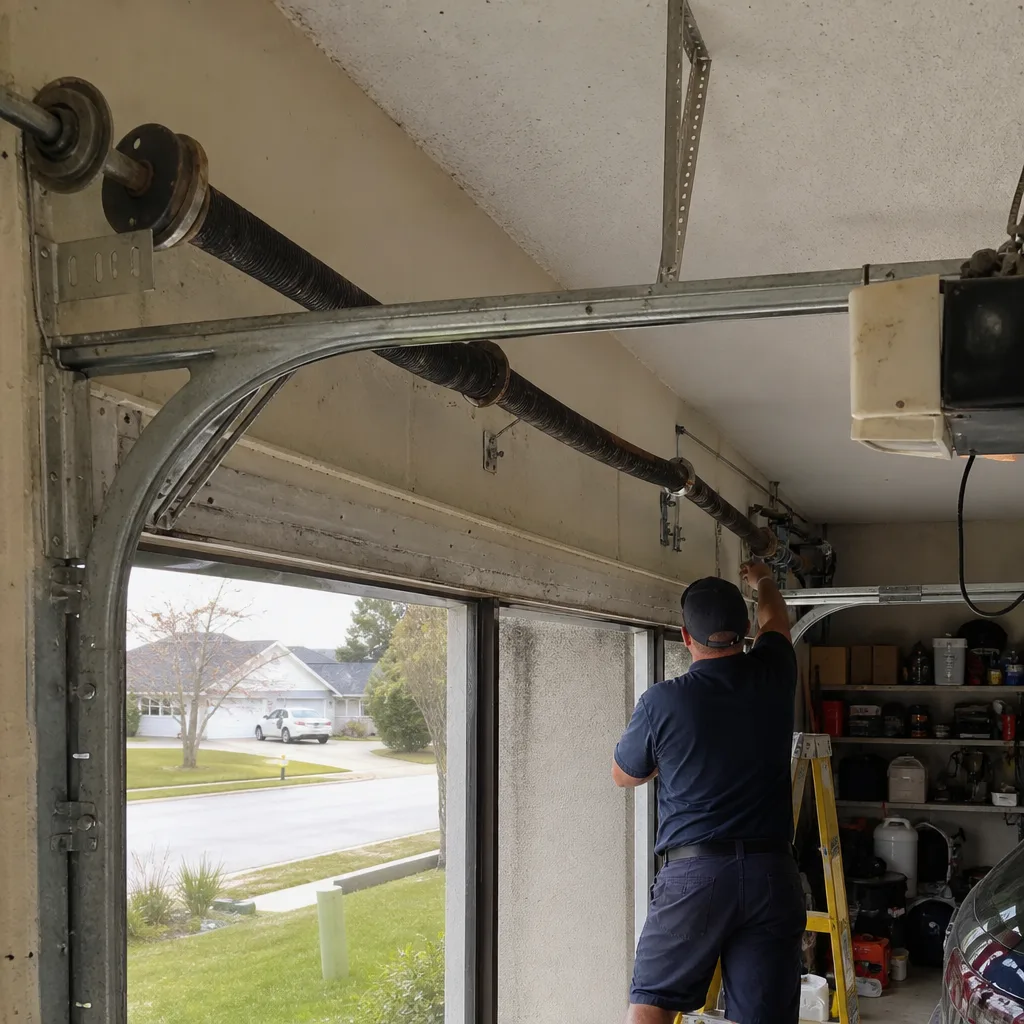
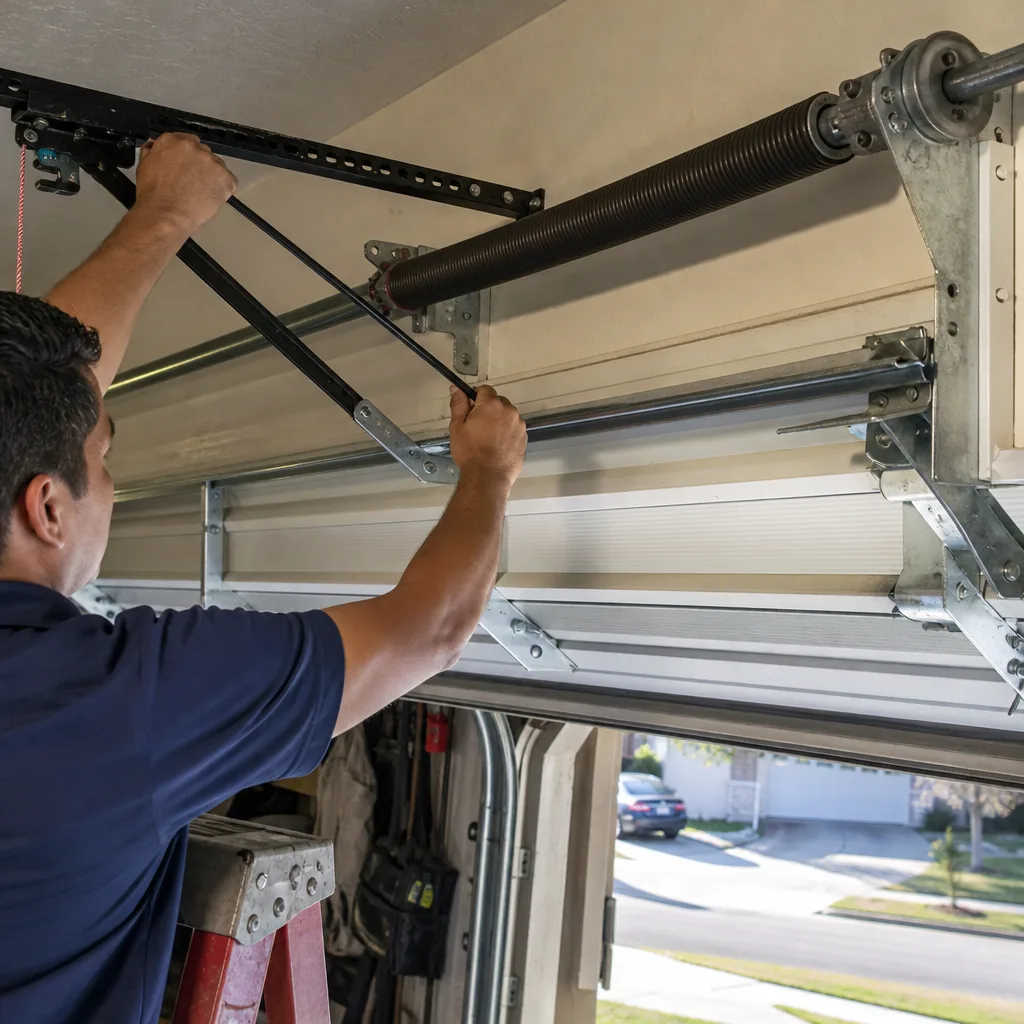
Springs. If the opener strains and the door moves an inch or two before stopping, the torsion springs are likely broken or fatigued. The opener is trying to lift the full weight of the door, which it was never designed to do. In Ocala, we see spring failures year-round, but especially during the spring and fall temperature swings. A broken spring is unmistakable once you know what to look for: a visible gap in the spring coil above the door. This is not a DIY repair. The tension in a garage door spring is lethal if mishandled. Call a specialist.
The key distinction: an opener problem sounds like the motor is working but the mechanism isn’t. A spring problem looks like the door is too heavy to move. If you’re not sure which you’re hearing, call us. The diagnosis is free.
Grinding, Squealing, or Rattling: Noise as a Diagnostic Clue
Noise is the most underused diagnostic tool in garage door troubleshooting. Most people hear a grinding noise and think “something’s wrong with the door.” A technician hears where the noise is coming from and knows the component. Here’s the noise-to-component map:
- Squealing from the rollers. Dry or worn roller bearings. If the rollers are metal, they may just need lubrication. If the squeal persists after lubricating, the bearings are shot and the roller needs replacement.
- Grinding from the opener when the door is moving. This is usually a worn drive gear, especially on older chain-drive openers. The motor runs, the gear slips, and the sound is rough and mechanical.
- Grinding from the door itself, near the tracks. A roller that’s seized and dragging along the track instead of rolling. Over time, this carves a groove in the track and makes the problem worse.
- Rattling when the door is closed or parked. Loose hardware: hinge bolts, track brackets, or the opener mounting strap. Tighten what you can reach. If the rattle is coming from the spring assembly, leave it alone.
- Loud bang during operation. This is almost always a cable or spring issue. Stop using the door immediately and call a professional. A door under spring tension that lets go unexpectedly can cause serious damage or injury.
The best practice in Ocala is to lubricate your rollers, hinges, and springs twice a year, once before summer and once before winter. Use a garage door specific lubricant, not WD-40, which is a solvent and will strip the grease. A quiet door is a door that isn’t wearing itself out.
Door Off Track or Hanging Unevenly
A door that’s off its track or hangs unevenly is one of the most visible symptoms, and one of the most misunderstood. Homeowners often assume the door itself is bent or broken. In most cases, the door panel is fine. What’s failed is the component guiding or balancing it.
Cables. The cables work as a pair, one on each side of the door, running from the bottom bracket up to the spring drum. If one cable breaks or slips, that side of the door loses tension. The door drops unevenly, and if the imbalance is severe enough, the door can twist and pop a roller out of the track. A door hanging crooked with one cable slack is a cable problem.
Tracks. The tracks themselves rarely bend on their own. What happens is the brackets holding the track to the wall loosen over time, and the track gradually pulls inward or outward. The door then binds as it moves, and the binding gets worse the longer it goes unaddressed. A door that moves freely for the first two feet and then binds is a track alignment problem.
Rollers. A roller that has come out of the track is often the result of the door being forced while partially open, or of a cable failure that twisted the door. Putting the roller back in without fixing the underlying balance issue is a temporary patch, not a repair. The door will pop out again, usually at the worst possible time.
There’s a clear stop point here. Inspecting the track and cables is safe. Removing or re-tensioning either is not. The cables are attached to springs under hundreds of pounds of tension. If the cable is off the drum, the spring system needs to be de-tensioned before the cable can be reseated. That’s a specialist job, full stop. We handle garage door repair in Ocala for exactly these situations, and we’d rather you call before attempting a cable repair than after.
Opener Runs But the Door Doesn’t Move
This symptom is the easiest to misdiagnose because the homeowner can hear the motor running, which makes it feel like the opener is “working.” In reality, the motor is only one link in the chain. If the motor runs and the door doesn’t move, the failure is between the motor and the door. Three possibilities:
- The emergency release cord has been pulled. The red handle hanging from the opener trolley disengages the door from the drive mechanism. If someone pulled it, the opener will run happily while the door stays put. Re-engage the trolley by running the opener until the trolley catches the door arm. This is the best-case scenario and a thirty-second fix.
- The drive gear is stripped. This is the failure we described earlier. The motor spins, the gear teeth are gone, and the chain or belt doesn’t move. The giveaway is the sound: a smooth, almost electric whir with no corresponding movement. Replacement of the gear or the opener is the fix.
- The coupling has failed. On some openers, there’s a rubber or plastic coupling between the motor shaft and the drive. If it’s cracked or broken, the motor spins and the drive doesn’t. This is a cheaper fix than a gear replacement, and worth having diagnosed before you assume the worst.
If the emergency release is the culprit, re-engage it and test the door. If the trolley mechanism doesn’t catch, the opener may need to be run through a full cycle to re-align. If the drive gear or coupling is the problem, the opener is coming apart anyway, so a replacement becomes a live option. On an older LiftMaster or Craftsman unit, we’ll give you an honest assessment of repair cost versus replacement cost and let you decide.
Common Mistakes to Avoid
- Adjusting travel limits before checking the sensors. This is the mistake that turns a $0 sensor realignment into a $200 service call. The sensors are the most common cause of no-close faults. Check them first, adjust limits second.
- Lubricating with WD-40. WD-40 is a solvent, not a lubricant. It strips the existing grease and leaves the metal parts drier than before. Use a silicone-based or lithium-based garage door lubricant.
- Attempting to reset a cable that’s slipped off the drum. The cable is under spring tension. If you don’t know how to de-tension the spring system safely, this is how serious injuries happen. This is a hard stop point.
- Replacing the opener when the springs are the problem. A door that’s too heavy to lift is a spring issue. The opener is fine. Replacing it won’t fix anything and you’ll be out $400 to $800 for nothing.
- Ignoring a noisy door because “it still works.” Noise is a leading indicator. A seized roller will eventually damage the track. A worn gear will eventually strip completely. By the time the door fails, the repair is more expensive than the maintenance would have been.
- Adjusting springs without proper tools and training. Torsion springs are under hundreds of pounds of torque. The winding bars used to adjust them need to be the right size and inserted fully. A spring that unwinds out of control can break bones or worse. This is not a YouTube tutorial situation.
When to Call a Professional
Call a specialist when the problem involves springs, cables, or a door off its track. These are the three components where getting it wrong carries real risk of injury or property damage. Call when you’ve run the three quick checks and the door still doesn’t work, because at that point you’re guessing, and guessing at garage door repair usually costs more than the service call it replaces. Call when the noise is sudden and loud, not gradual and consistent, because sudden noises mean something broke, not something wore. And call when the door doesn’t sit right, crooked, uneven, or dragging on one side, because that’s a balance problem that will get worse the longer it goes unaddressed. Key Step Garage Door Repair offers free estimates in Ocala. Call (855) 795-2118 and we’ll walk through the symptoms with you before we even schedule a visit.
Frequently Asked Questions
A door that reverses before closing is usually reacting to a safety sensor that’s misaligned or obstructed. The sensors at floor level send an invisible beam across the door opening; if something breaks that beam, the opener reverses as a safety measure. Check that both sensor lights are solid and that nothing is blocking the path. If the sensors are aligned and clear, the travel limit may be set too far down, or a cable may have slipped. Call (855) 795-2118 for a free diagnosis if the sensors check out.
Garage door repair in Ocala typically ranges from $120 to $350 for common fixes like sensor realignment, roller replacement, or cable reseating. Spring replacement runs higher, usually $200 to $400 depending on the spring type and door weight. Opener replacement is a separate category, generally $350 to $700 installed. The exact price depends on your door’s brand, age, and configuration. We quote every job before any work begins, so you’ll never see a surprise line item.
In most cases, yes. If the issue is a sensor, a roller, or a loose bracket, we can usually resolve it on the first visit. Spring and cable replacements are also same-day jobs in most circumstances because we carry common parts for LiftMaster, Chamberlain, Genie, Clopay, and the other brands we service. Unusual door sizes or custom orders may take a day or two. Call (855) 795-2118 and we’ll give you an honest time estimate.
Look at the spring assembly above the closed door. On a torsion spring system, a broken spring shows as a visible gap in the coil, usually two to three inches wide. You may also hear a loud bang when the spring breaks, and the door will suddenly feel very heavy if you try to lift it manually. If you see a gap or hear a bang, stop using the door and call a professional. A door with one broken spring is out of balance, and continued use will damage the opener.
The best opener for your home depends on what you already have. If you’re replacing an existing opener from LiftMaster, Chamberlain, Genie, or Craftsman, the wiring and mounting points may match a same-brand replacement more easily. Belt-drive openers are quieter, which matters if you have a bedroom above the garage. Chain-drive openers cost less and work fine for detached garages. We can help you choose based on your door’s weight, your noise tolerance, and your budget. See our garage door installation in Ocala page for the full range of options.
A garage door opener in Ocala typically lasts 7 to 12 years. The heat and humidity of Central Florida shorten the life of plastic components like drive gears and logic boards. If your opener is over 10 years old and starting to act up, replacement is often the smarter move than repair. You’ll get a quieter drive, better safety features, and a warranty. Call (855) 795-2118 for an honest assessment of your current unit.
The Bottom Line
Garage door troubleshooting is a process of elimination, not guesswork. The three quick checks cost nothing and resolve a third of all issues. Beyond that, the pattern of the failure tells you the component: sensor problems reverse the door, spring problems make it heavy, drive problems make it hum without moving, and cable problems make it hang crooked. Anything involving springs or cables is specialist work, and attempting it without training is genuinely dangerous. Key Step Garage Door Repair is a dedicated garage door specialist, not a general handyman, and we know the systems from LiftMaster, Chamberlain, Genie, Clopay, Amarr, Wayne Dalton, Craftsman, and Raynor by heart. If you’re stuck, call (855) 795-2118. We’ll help you figure out what’s wrong before we ever roll a truck.
Written by the team at Key Step Garage Door Repair, serving Ocala since 2013.
See the difference
 Before
 After
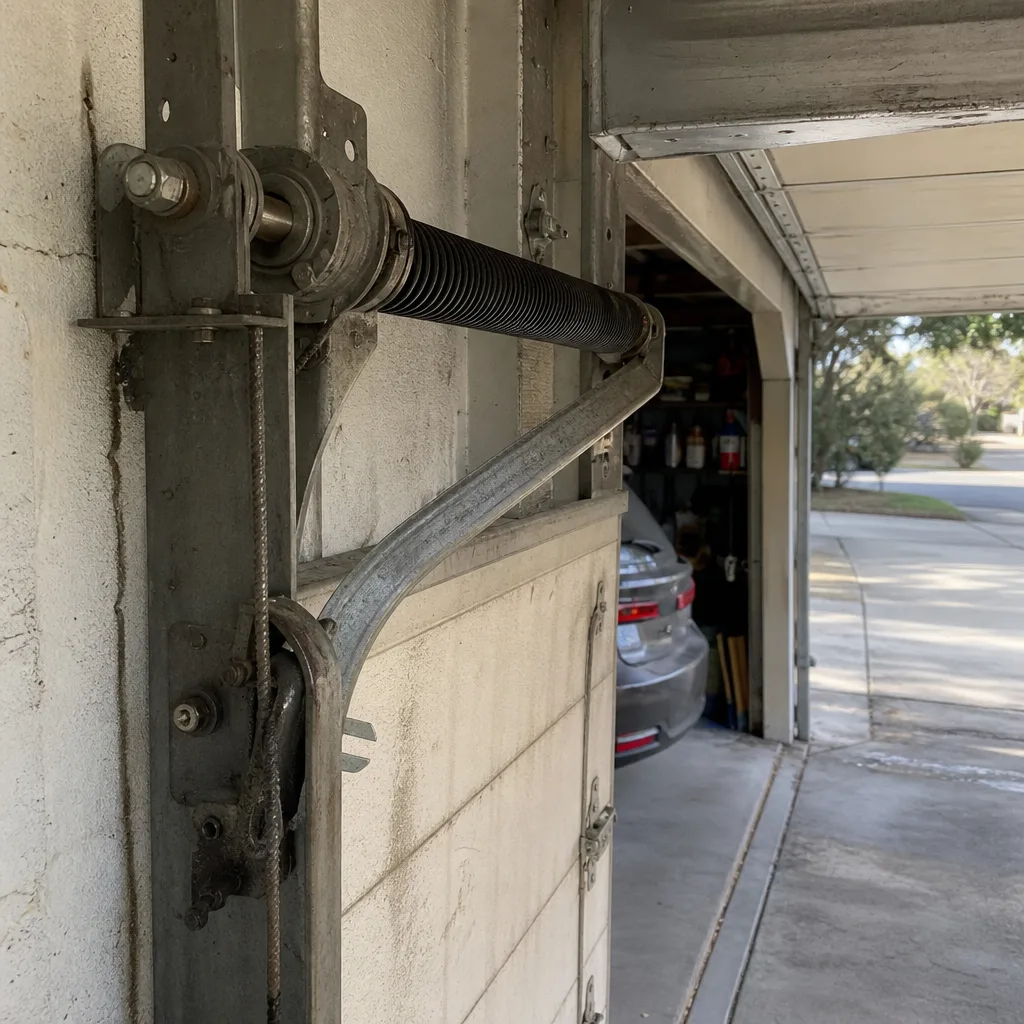 Before
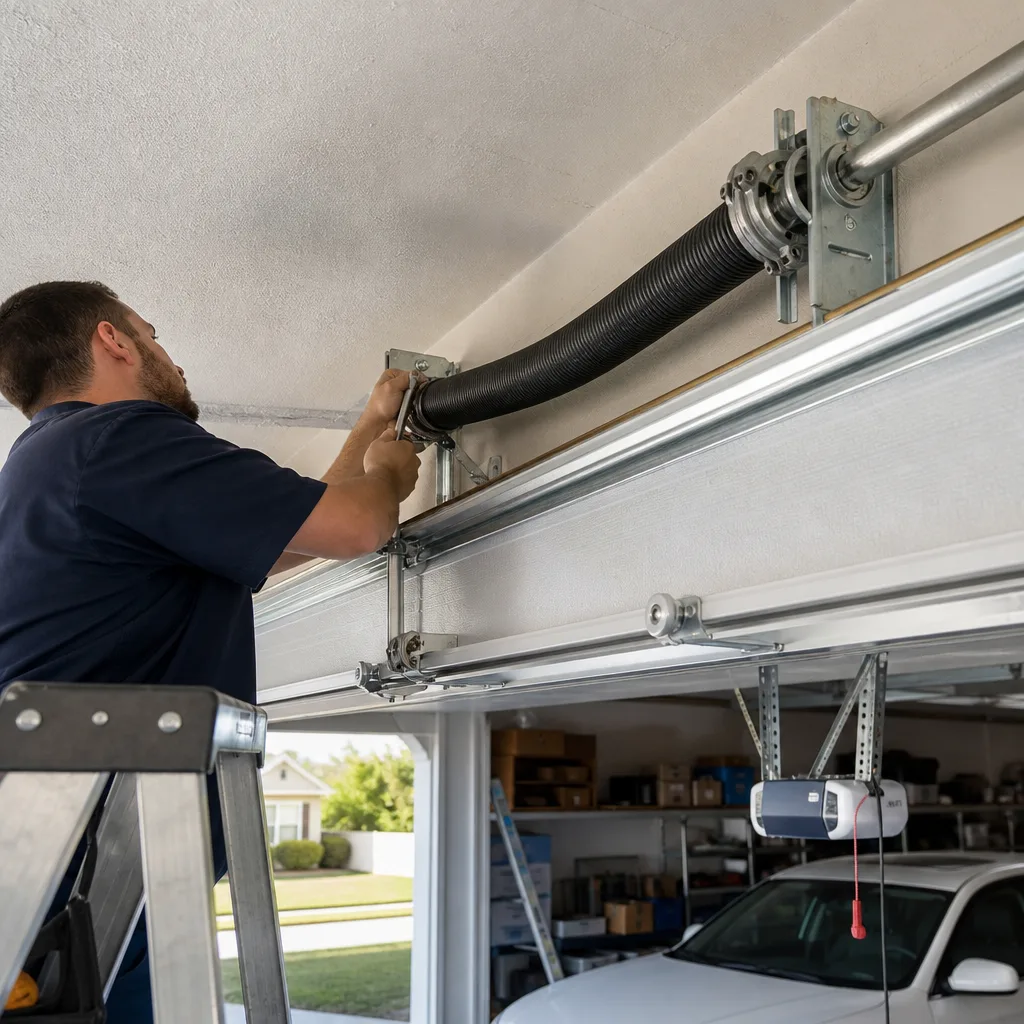 After
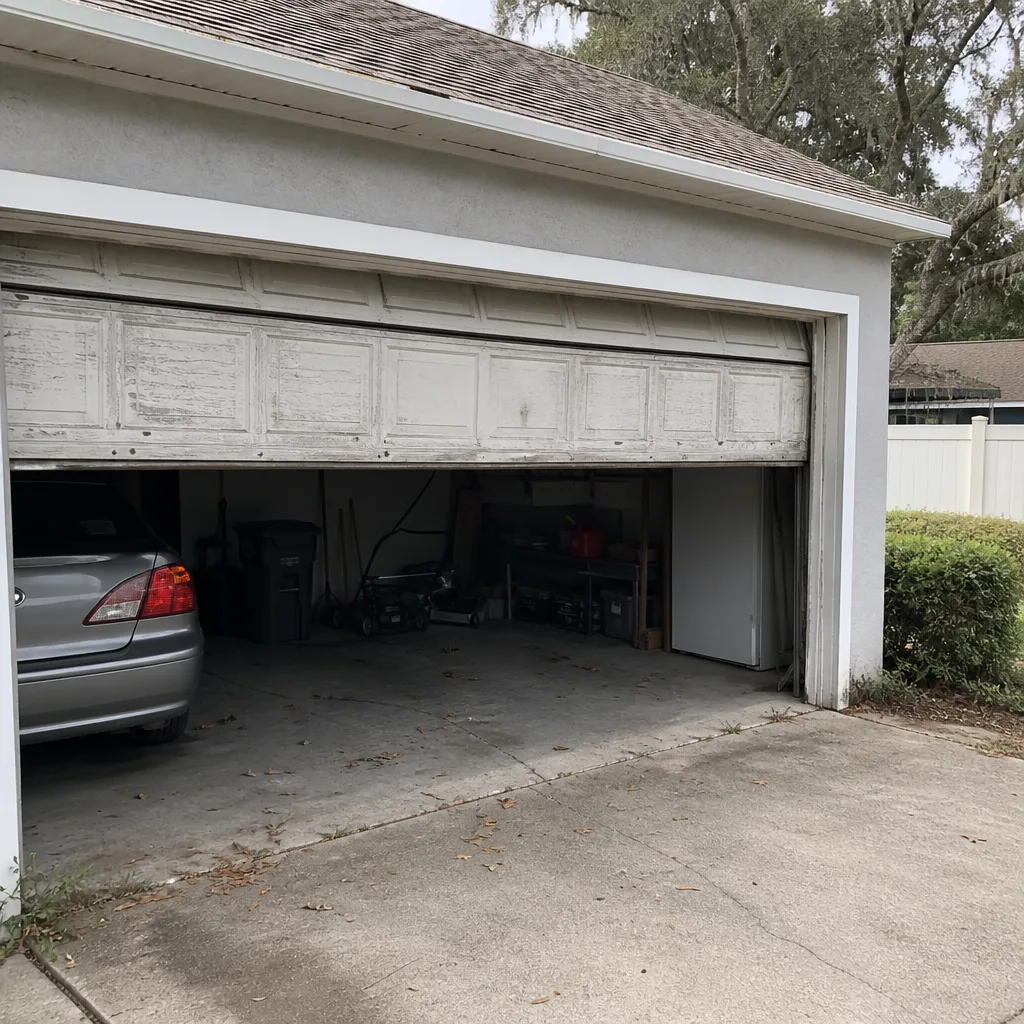 Before
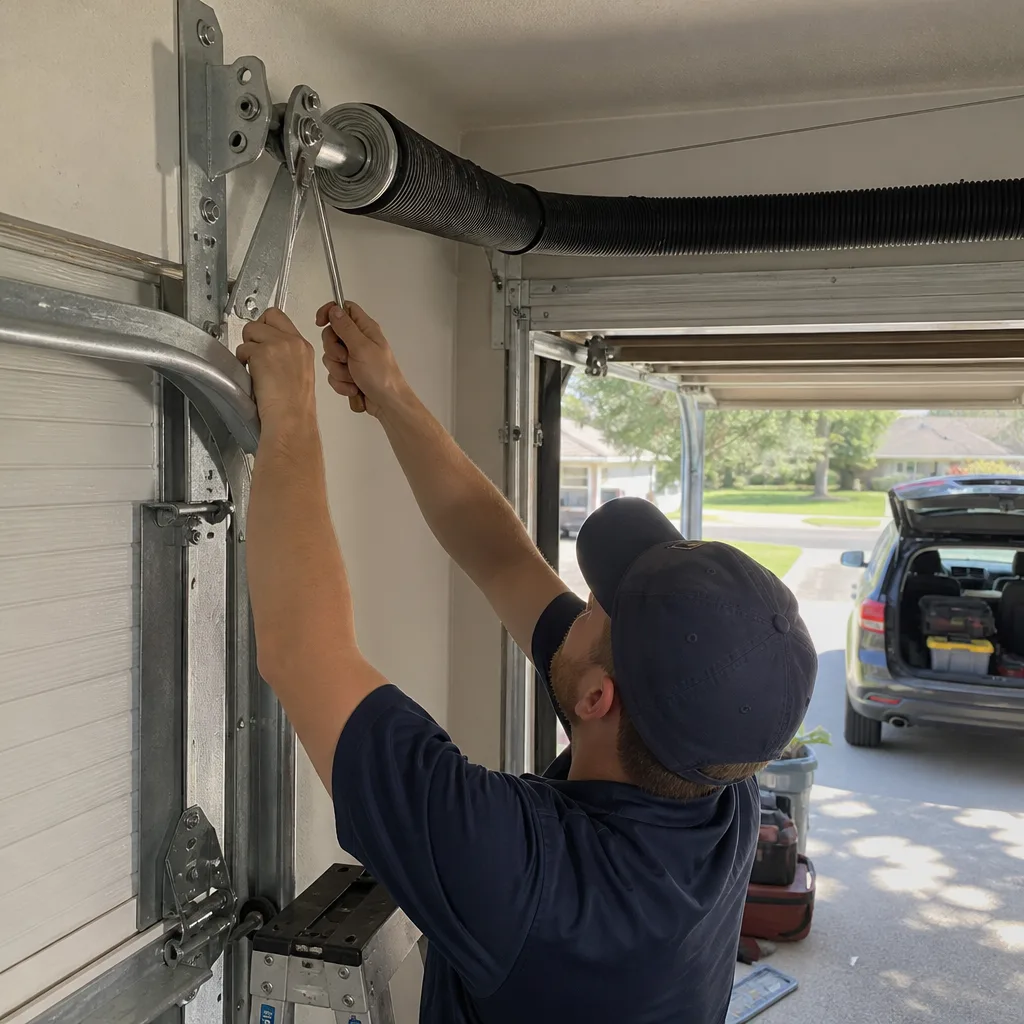 After